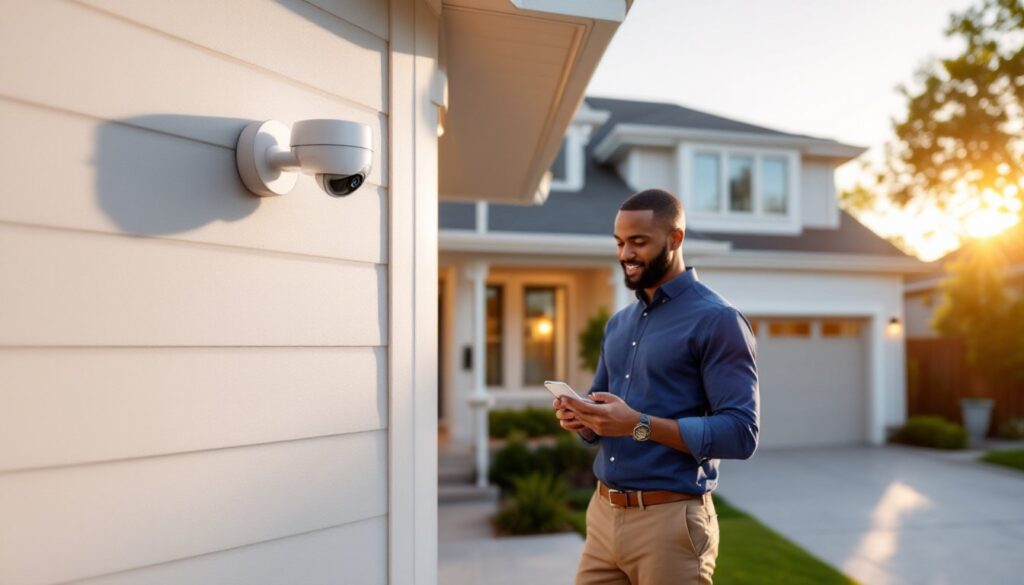
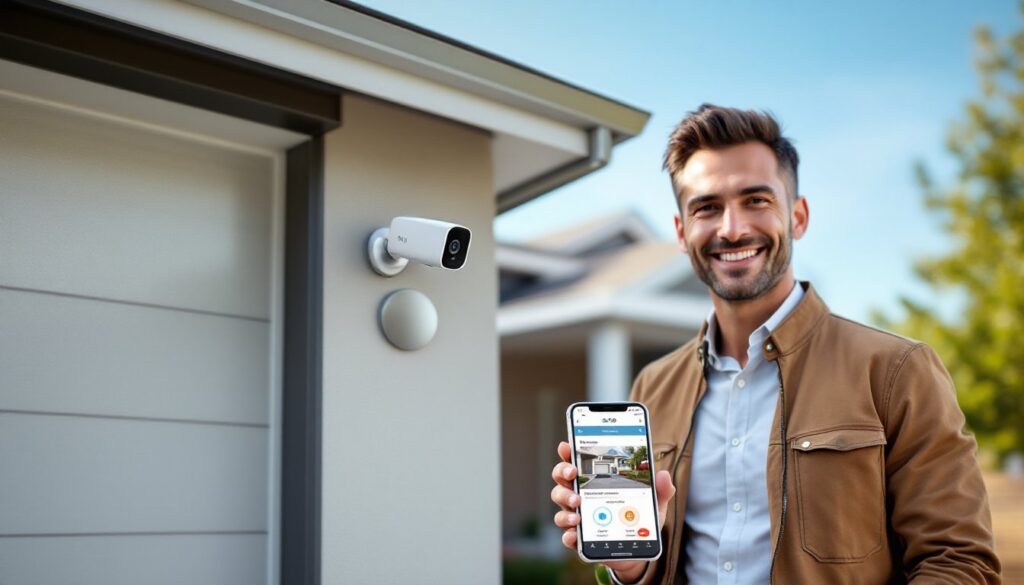
Home security cameras have become a standard layer of protection for most homeowners, and for good reason. Whether you’re monitoring the front porch for package deliveries, keeping an eye on a back entrance, or surveilling the entire perimeter, a quality camera system offers peace of mind that’s hard to put a price on. But with hundreds of options on the market, from affordable wireless security camera setups to professional-grade systems, finding the right one can feel overwhelming. This guide cuts through the noise and walks you through the best-rated home security cameras for 2026, organized by use case and budget so you can match your needs with a system that actually delivers.
Table of Contents
ToggleKey Takeaways
- Top rated home security cameras should offer 2K or 4K resolution, 30+ feet of night vision range, and an IP65/IP67 weatherproof rating for reliable outdoor protection.
- Wireless security cameras provide easy installation and flexibility, while wired systems deliver uninterrupted power and more reliable connectivity for permanent installations.
- Budget-friendly options like Tapo ($30–70) and Blink deliver solid performance for basic deterrence, while mid-range Arlo and Eufy cameras balance features and cost, and premium systems include professional monitoring.
- Smart detection features that distinguish people and vehicles from pets and moving objects reduce false alerts and improve the practical value of your security setup.
- Choose between cloud storage (convenient but recurring fees) and local storage via hub or microSD card (one-time cost, full control) based on your privacy and budget preferences.
- Proper placement 8–10 feet high at entrances, angled for facial recognition, and verified Wi-Fi signal strength are as critical to security camera effectiveness as the camera specs themselves.
What Makes a Home Security Camera Worth Buying
Not all security cameras are created equal. Before you compare specs and price tags, you need to understand what separates a truly useful camera from an expensive paperweight.
Resolution matters, but it’s not everything. A 2K (2560 × 1920) or 4K camera gives you clear facial recognition and license plate details from a distance, critical if you actually need to identify an intruder or catch a package thief. That said, 1080p is still plenty for general deterrence and knowing when something happened, even if you can’t zoom in for pristine clarity.
Night vision quality separates cameras that actually work from those that turn your driveway into a blob of infrared mush. Look for a camera with at least 30 feet of effective night-vision range and a lens with a low f-number (f/1.6 or better) for better light gathering.
Field of view determines how much your camera can see. A 120-degree horizontal view covers most front doors and patios: 160 degrees or wider handles driveways and larger areas. Narrow views miss crucial details at the periphery.
Weatherproofing isn’t optional if the camera’s outside. Look for an IP65 or IP67 rating (meaning it resists dust and water ingress). A cheap outdoor camera without proper sealing will corrode or fail within a season.
Storage and connectivity are the hidden gotchas. Some systems require a cloud subscription ($10–15/month), while others offer local storage via microSD card or an on-site hub. Decide upfront whether you’re comfortable paying recurring fees or prefer owning your footage outright.
Installation and integration matter too. A wireless security camera takes 30 minutes to mount and connect: a hardwired system might require routing cables through walls and pulling permits. We’ll dig deeper into this distinction later.
Best Overall Home Security Cameras
When we talk about best-overall cameras, we’re looking at the sweet spot: strong performance, reliable software, good video quality, and features that actually justify the cost.
Arlo Pro 4 and 5 models have become the go-to choice for homeowners who don’t want to tinker endlessly. These wireless security cameras deliver 2K resolution, solid night vision, and a mobile app that’s intuitive. Arlo cameras work on battery or wired power, give you 110-degree field of view, and integrate with major smart home platforms. The subscription is optional if you’re okay with 30 seconds of free cloud storage per event: otherwise, a cloud plan runs $2–12 per month depending on your needs.
Eufy cameras are often overlooked but punch above their weight. An Eufy security camera setup includes local storage by default, footage saved to a hub, not the cloud, so you avoid the subscription treadmill. Many Eufy models offer 2K resolution and excellent night vision at a lower price than Arlo.
Vivint represents the opposite end: professionally monitored home security. If you want 24/7 monitoring by a human security team alongside your cameras, Vivint security cameras bundle integration with monitoring contracts. It’s pricier but suitable for homeowners who want full-service peace of mind.
Budget-Friendly Security Camera Options
You don’t need to spend $400 on a single camera to get solid protection. Several manufacturers deliver honest performance under $150.
Tapo cameras by TP-Link are the budget champions. A Tapo security camera typically costs $30–70, offers 1080p or 2K resolution, and includes cloud storage free for 7 days (or local microSD card storage). The app is clean and responsive, and many models include motion detection with customizable sensitivity zones.
Blink cameras are Amazon-owned and stripped down to the essentials, which is why they’re affordable. A Blink whole home security camera system bundle usually includes one to three cameras plus a hub, with storage tied to an Amazon subscription (Blink+ at $3–10 per month). Battery life on Blink cameras is exceptional (often 2+ years), and setup is beginner-friendly.
Aosu cameras, another TP-Link subsidiary, offer a middle ground between Tapo’s ultra-budget pricing and premium options. An Aosu security camera review typically highlights 2K resolution, reasonable night vision, and local storage via hub, no mandatory cloud subscription.
Pro tip: Budget cameras sacrifice some durability and advanced features like person/vehicle detection, but they excel at basic deterrence and motion alerting. If you’re protecting a single door or small property, a $50–80 camera can do the job.
Wireless vs. Wired: Which Setup Works Best for You
This choice affects everything: installation effort, power reliability, and long-term maintenance.
Wireless security cameras run on batteries or plug into AC power. Installation is simple, mount the camera, connect it to Wi-Fi via the app, and you’re done. No running cables, no drilling into soffits, no hiring an electrician. Battery-powered wireless cameras are ideal for renters or homeowners who want flexibility.
The trade-off: battery-powered cameras need recharging or battery replacement every 2–12 months depending on usage. Wi-Fi dependency means your camera goes dark if your internet drops. A powerline outage or lost Wi-Fi signal can blind your system for hours.
Wired security cameras plug directly into power (usually via PoE, power over ethernet, combined with video transmission) or are hardwired with separate power and video cables. They never go dark and transmit data more reliably than Wi-Fi. But, installation requires routing cables, potentially drilling through walls, and possibly pulling permits if major renovation is involved.
Essential Features to Look For in Your Next Camera
Two-way audio lets you speak through the camera: useful for telling a delivery driver where to leave a package or confronting someone on your porch (even if it’s just to make noise and scare them away).
Motion detection with zones means you can ignore motion in one area (like a street where cars pass) while alerting on another (your driveway). Smart detection that distinguishes people from animals reduces false alerts.
Person and vehicle detection uses AI to filter out pets, wind-blown leaves, and other noise, so you only get alerts when humans or cars appear. Motion sensor security cameras with this feature are worth the premium if false alerts drive you crazy.
Integration with smart home hubs (Alexa, Google Home, Apple Home) means you can view your camera on any device and create automation, like turning on lights when motion is detected at night.
Cloud or local storage is non-negotiable. Know before you buy whether footage lives on a company server (requiring a subscription but accessible from anywhere) or on a local hub or microSD card (no recurring fees but limited reach).
How to Choose the Right System for Your Home
Matching the right camera to your home means asking yourself five questions.
1. What are you protecting? A front door needs one camera: a large property with multiple vulnerabilities may need three to five. List the areas: front entry, back porch, driveway, garage, side yard. Prioritize based on access risk and visibility from the street.
2. What’s your installation tolerance? Renters or those avoiding wall damage should go wireless. Homeowners comfortable with running cables or hiring help can opt for wired systems, which often offer better reliability.
3. Do you want cloud storage or local? Cloud storage ($5–15/month per camera) is convenient but recurring. Local storage via hub or microSD (one-time cost) gives you full control but requires you to manage the hardware.
4. How much are you willing to spend per camera? Budget ($30–80): Tapo, Blink, Aosu. Mid-range ($100–250): Arlo wireless security camera models, Eufy. Premium ($250+): 8K models, professional systems. Don’t overspend on a single camera: two mid-range cameras covering different angles usually outperform one pricey camera with limited field of view.
5. What features move the needle for you? If you’re obsessed with pristine night vision, prioritize larger sensors and lower f-numbers. If false alerts ruin your day, pay for person/vehicle detection. If you want professional monitoring, accept the monthly fee and go with 8K security cameras or a monitored system.
Installation checklist:
- Mount cameras 8–10 feet high at entrances (discourages tampering, improves facial recognition angles)
- Aim cameras to capture faces, not just silhouettes. Position them to catch light from the side or front, not from behind
- Test motion detection at night and in cloudy conditions before finalizing placement
- Verify Wi-Fi signal strength at the camera location (weak signals cause disconnects and lag)
- Label all cables if wired, and document your system setup for future troubleshooting
Conclusion
The best home security camera for you depends on your property layout, budget, and tolerance for ongoing subscription costs. Start by identifying what you need to monitor, then narrow down by installation method and storage preference. Whether you choose a premium Arlo system, a budget-friendly Tapo camera, or something in between, you’ll get far more value from thoughtful placement and a clear understanding of your camera’s limitations than from chasing the highest resolution or most features. Install it properly, test it regularly, and it’ll pay for itself the moment it deters a break-in or catches evidence for police. Home security isn’t about paranoia, it’s about smart protection.