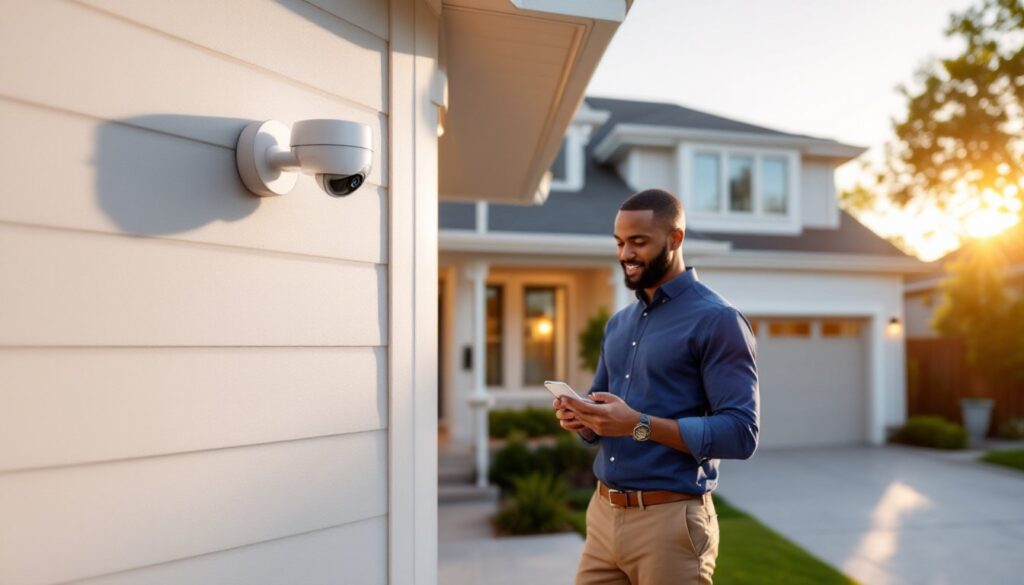
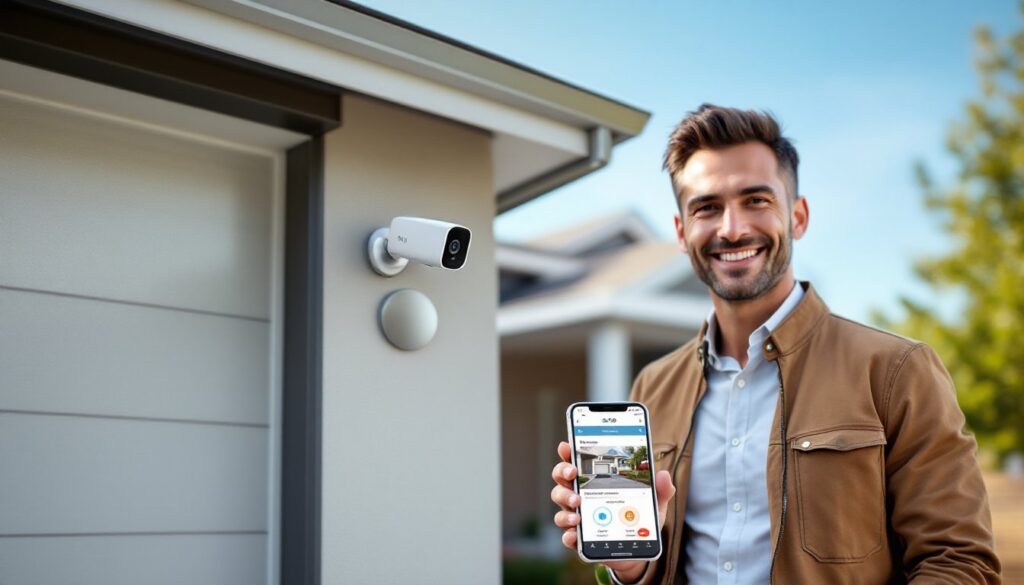
Installing a wireless security camera isn’t just about deterring package thieves, it’s about knowing what’s happening around your property when you’re not there. Arlo has become one of the most recognized names in home security, offering genuinely wire-free operation that doesn’t require drilling through walls or hiring an electrician. Unlike wired systems that need low-voltage cabling and often a professional install, Arlo cameras mount with a single screw and connect to your Wi-Fi network in minutes. This guide walks through what sets Arlo apart, which features matter for different homes, and how to install and position cameras for reliable coverage without paying for gear you don’t need.
Table of Contents
ToggleKey Takeaways
- Arlo wireless security cameras offer truly wire-free installation with no drilling required, magnetic mounts, and Wi-Fi connectivity in minutes, making them ideal for renters and homes where running cables is impractical.
- The Arlo Pro 4 and Pro 5S models deliver the best balance of 2K resolution, battery efficiency, and smart features for typical suburban homes, while the Essential line suits budget-conscious users and the Ultra line serves large properties needing 4K coverage.
- Strategic camera placement at 7–10 feet high on entry points like front doors and driveways, with slight overlapping coverage and 15–30° downward tilt, maximizes facial recognition and eliminates blind spots.
- Arlo’s ecosystem integration with Alexa, Google Assistant, Apple HomeKit, and SmartThings—plus AI-powered person and package detection—sets it apart from competitors with single-app limitations.
- Battery life extends from three to six months depending on conditions, and solar panels ($50–$80) can provide indefinite power in sunny climates, while optional Arlo Secure subscription ($5–$13/month) enables advanced AI detection and cloud storage.
- Wi-Fi signal strength and proper base station placement within 300 feet of cameras are critical for reliability, and mesh extenders or repositioning can resolve connectivity issues without system replacement.
What Makes Arlo Wireless Security Cameras Stand Out?
Arlo cameras are fully wireless, no power cord, no Ethernet cable. They run on rechargeable batteries or solar panels, which means you can mount them anywhere within Wi-Fi range. That’s a big deal if you’re renting, live in a historic home where fishing cables is a nightmare, or just want flexibility to move cameras seasonally.
The magnetic mounts let you pop a camera off its base in seconds to recharge indoors, then snap it back without re-aiming. Arlo’s base station (included with most multi-camera kits) acts as a local hub, offloading some processing from your router and enabling local alarm sirens. Some newer models, like the Arlo Pro 4 and Pro 5S, skip the base station entirely and connect directly to Wi-Fi, which simplifies setup but shifts all traffic to your home network.
Arlo’s ecosystem integrates with Alexa, Google Assistant, Apple HomeKit, and SmartThings, so you can view live feeds on smart displays or trigger recordings via routines. That level of platform support is rare, most budget brands lock you into a single app with no third-party hooks.
Another standout: two-way audio with noise cancellation. You’re not just shouting through a tinny speaker: Arlo’s newer models filter wind and background hum, making conversations with delivery drivers or visitors actually intelligible.
Key Features Every Homeowner Should Know
Video Resolution: Arlo offers 1080p on entry-level models (Essential line), 2K on the Pro series, and 4K on the Ultra line. For most residential driveways and porches, 2K is the sweet spot, sharp enough to read license plates at 20 feet without eating through battery or bandwidth. If you’re covering a large front yard or need forensic-level detail, 4K makes sense, but expect shorter battery life and larger video files.
Night Vision: Integrated infrared LEDs provide black-and-white night vision up to 25 feet on most models. The Ultra series adds a color night vision mode using an integrated spotlight, which can deter intruders but drains the battery faster. You can schedule the spotlight to activate only during certain hours.
Motion Detection Zones: Draw custom boxes in the Arlo app to ignore sidewalks, streets, or tree branches that trigger false alerts. AI-powered person, vehicle, animal, and package detection (requires a subscription on most models) cuts nuisance notifications dramatically. If you live on a busy street or have pets, this feature pays for itself in sanity.
Weather Resistance: All outdoor Arlo cameras carry an IP65 rating or higher, meaning they’re dust-tight and can handle heavy rain, snow, and temps from –4°F to 113°F. Mount them under eaves when possible to extend battery life and keep the lens cleaner.
Battery Life: Arlo’s official estimates range from three to six months per charge, but real-world performance depends on activity frequency, temperature, and video quality settings. Cold weather (below 32°F) can cut battery life in half. The Arlo Solar Panel (sold separately, about $50–$80) trickle-charges cameras in sunny climates and can keep them running indefinitely in the right conditions.
Choosing the Right Arlo Model for Your Home
Arlo Essential (2nd Gen): Wire-free or wired, 1080p, integrated spotlight, direct-to-Wi-Fi. Good for apartments or single-entry monitoring on a budget ($50–$100 per camera). No base station required, which keeps things simple but limits local storage options.
Arlo Pro 4 / Pro 5S: 2K resolution, color night vision, rechargeable battery, works with or without a base station. The Pro 5S adds a wider 160° field of view and better HDR performance for high-contrast scenes (e.g., bright sky behind a shaded porch). Expect $120–$200 per camera. This is the most versatile line for typical suburban homes.
Arlo Ultra 2: 4K video, 180° field of view, auto-zoom and tracking, dual-band Wi-Fi support. Best for large properties or commercial applications where you need to cover wide areas with fewer cameras. Price runs $250–$300 per camera, and you’ll want a robust mesh network or Wi-Fi 6 router to handle the bandwidth.
Arlo Go 2: Cellular-connected camera with a built-in LTE modem. Use it for remote job sites, RVs, or cabins with no Wi-Fi. Requires a separate data plan (~$10–$15/month). Not ideal for everyday home use unless you’re off-grid.
For most DIYers covering a front door, driveway, and backyard, a three-camera Pro 5S kit with a base station hits the right balance of image quality, smart features, and battery efficiency. The Ultra line is overkill unless you’re protecting a larger acreage or need courtroom-grade footage.
Installation Tips for DIY Enthusiasts
Before You Drill: Walk your property with your phone and the Arlo app open. Most models let you simulate placement by viewing the live feed before you commit to a mount location. Check Wi-Fi signal strength in the app, if it shows one or two bars, consider a mesh extender or reposition your router.
Mounting Hardware: Arlo includes a magnetic wall mount and two screws per camera. For vinyl siding, drill a 1/8-inch pilot hole and use the included anchors. For brick or stucco, you’ll need a masonry bit and plastic anchors rated for outdoor use (not included). For wood trim or fascia, a single 1½-inch exterior-grade wood screw is plenty.
If you’re mounting above eight feet (recommended to prevent tampering), grab a ladder and a helper. The magnetic ball-and-socket design makes aiming easy, but you’ll want someone on the ground watching the phone app to confirm framing.
Power Management: Charge batteries fully before first use, this conditions the cells and gives accurate battery-level readings. If you’re using the solar panel, mount it facing south (in the Northern Hemisphere) with a 30–45° tilt for year-round efficiency. The panel connects via a weatherproof cable, so you can mount it a few feet away from the camera if your install spot is shaded.
Base Station Placement: Keep the base station within 300 feet of your cameras (line of sight). Obstructions like metal siding, brick, or thick insulation cut that range. Place it centrally in your home, away from routers and other 2.4 GHz devices to minimize interference. The base station has an Ethernet port, hardwire it to your router for the most stable connection.
Safety Note: If you’re mounting near electrical service entrance points or HVAC equipment, maintain clearance per local electrical codes. Cameras themselves are low-voltage and safe, but you don’t want a ladder or drill bit contacting live wires.
Optimizing Camera Placement for Maximum Coverage
Height: Mount cameras 7–10 feet off the ground. This puts them above easy reach but still captures faces clearly. Mounting too high (12+ feet) gives a bird’s-eye view that’s great for property surveillance but poor for identifying individuals.
Angle: Tilt the camera down 15–30° so the horizon sits in the upper third of the frame. This maximizes ground coverage and reduces sky glare, which can wash out faces during the day. Arlo’s HDR mode helps, but positioning beats post-processing.
Entry Points First: Prioritize front and back doors, garage access, and ground-floor windows. Statistics show most break-ins occur through these points. Side gates and basement windows are secondary. If you’re budget-limited, one camera on the front door and one covering the driveway beats four cameras all aimed at the backyard.
Overlapping Fields: If possible, position cameras so their coverage overlaps slightly. This eliminates blind spots where someone could slip between zones. Use the Arlo app’s activity zones feature to map out which camera owns which area and reduce duplicate alerts.
Avoid Backlighting: Don’t aim cameras directly at sunrise or sunset. Position them perpendicular to the sun’s path, or use eaves and overhangs to shade the lens. Glare kills detail, even with HDR enabled.
Wi-Fi Dead Zones: If a camera drops offline frequently, it’s usually a signal issue, not a defect. Install a mesh node within 20 feet of the problem camera, or use Arlo’s optional Wi-Fi extender accessory. Switching the base station or camera to the 5 GHz band (if supported) can also help in congested neighborhoods with lots of 2.4 GHz traffic.
Many homeowners wonder if wireless systems can match the reliability of wired setups. For typical residential use, Arlo’s wire-free design offers enough uptime and image quality that most people won’t notice a difference, especially when compared to older home security cameras that require constant subscription fees.
Subscription Plans and Smart Storage Options
Arlo Secure (formerly Arlo Smart): Required for advanced AI features, cloud recording beyond the free trial, and extended video history. Plans start around $5/month for a single camera (30 days of rolling cloud storage, AI detection, rich notifications) or $13/month for unlimited cameras at one location. No contract, cancel anytime.
What You Get Without a Subscription: Live streaming, local recording to a USB drive via the base station (on compatible models), and 7 days of cloud storage on the Essential line (limited to five cameras). You’ll lose AI detection, activity zones, and cloud storage beyond the trial period on Pro/Ultra models.
Local Storage: If you have a SmartHub (VMB5000 or VMB4540), you can plug in a USB 3.0 flash drive or external hard drive (up to 2 TB) for continuous local recording. This isn’t a substitute for cloud, you won’t get remote access or alerts unless you’re on the same network, but it’s a good backup if your internet goes down or you want forensic footage without monthly fees.
Family Sharing: The unlimited-camera plan lets you grant access to other household members. They can view live feeds and review clips, but you control admin settings and subscription billing. Great for handing off monitoring duties when you’re traveling.
Whether cloud storage makes sense depends on your use case. If you check cameras daily and want instant alerts with AI filtering, the subscription is worth it. If you’re just using Arlo as a live visual check when the doorbell rings, the free tier, or local storage, might be enough. Product reviewers consistently note that cloud-based smart home security systems offer more flexibility than older DVR-based setups, especially for remote access. Many tech sites, including CNET, regularly update comparisons on subscription costs and feature availability across brands.
Conclusion
Arlo’s wireless security cameras deliver real flexibility without the complexity of running cables or hiring installers. Choose your model based on resolution needs and property size, mount cameras at entry points with good Wi-Fi signal, and decide whether cloud storage or local recording fits your workflow. Most installs take an hour or less, and the system scales as your needs change. If you hit snags with Wi-Fi range or battery life, small adjustments, mesh nodes, solar panels, repositioned mounts, usually solve them without starting over.