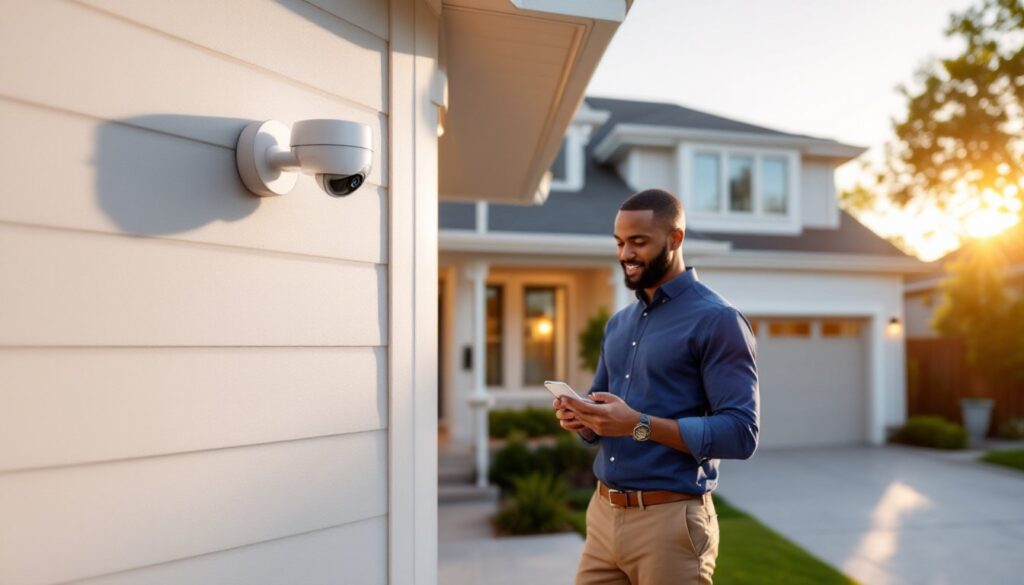
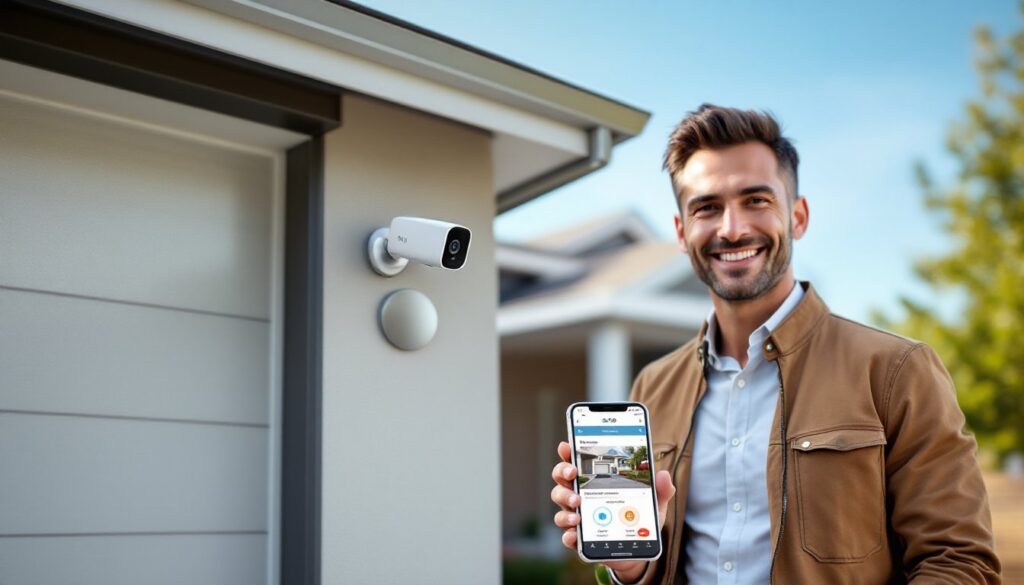
Home security doesn’t need to drain your wallet or require a monthly subscription fee that adds up over the years. TP-Link’s Tapo security cameras have carved out a solid reputation among DIYers and homeowners for delivering reliable surveillance without the ongoing costs or complicated installation that plague premium systems. These cameras offer high-definition video, smart alerts, and features typically found in devices twice the price. Whether someone’s monitoring a front porch, back deck, or garage workshop, Tapo cameras provide practical protection that fits a DIY mindset and budget.
Table of Contents
ToggleKey Takeaways
- Tapo security cameras deliver reliable home surveillance without monthly subscription fees or professional installation, making them ideal for budget-conscious homeowners and DIYers.
- High-definition 1080p or 2K video combined with 30-foot night vision and AI-powered motion detection helps identify faces, license plates, and critical details while reducing false alerts.
- Most Tapo models feature local microSD card storage (up to 512GB) with optional cloud backup, allowing homeowners to maintain footage control without mandatory ongoing costs.
- DIY installation requires only a mounting location, nearby 120V AC power, and strong 2.4GHz Wi-Fi coverage, with the Tapo app guiding users through pairing and setup in minutes.
- Securing your Tapo security camera immediately involves changing default passwords, enabling two-factor authentication, positioning at 7-10 feet high, and updating firmware regularly to prevent vulnerabilities.
- Customizable activity zones, two-way audio, and motion-triggered spotlights on select models provide practical deterrence and communication features for real-world home security scenarios.
What Is a Tapo Security Camera and Why Homeowners Love It
Tapo is TP-Link’s consumer-focused line of smart home devices, with their security cameras being the flagship product. These cameras range from indoor pan-and-tilt models to outdoor weatherproof units, all designed around a straightforward principle: effective home monitoring without subscription fees or professional installation.
What sets Tapo apart from competitors is the combination of local storage via microSD card (up to 512GB on most models) and optional cloud backup. Homeowners aren’t locked into monthly fees just to access their footage. The cameras connect to standard 2.4GHz Wi-Fi networks and integrate with the Tapo smartphone app for live viewing, playback, and alert management.
The cameras work with Alexa and Google Assistant, allowing voice control and integration with existing smart home ecosystems. For DIYers who’ve already wired smart switches, thermostats, or lighting, adding a Tapo camera to the network is seamless. Most models feature two-way audio, which proves useful for communicating with delivery drivers or deterring package thieves without opening the door.
Tapo cameras earn their popularity through practical features that matter in real-world scenarios. Night vision extends 30 feet on most models, motion zones let users define specific areas to monitor (ignoring swaying tree branches or passing cars), and the IP65 or IP66 weatherproof rating on outdoor units means they handle rain, snow, and temperature swings from -4°F to 113°F. That durability matters when mounting a camera under an eave in Minnesota or on a sunny Arizona patio.
Key Features That Make Tapo Cameras Stand Out
High-Definition Video and Night Vision
Most current Tapo models record in 1080p (1920×1080) or 2K (2304×1296) resolution, providing clear footage for identifying faces, license plates, or package details. The higher 2K models, like the C520WS and C225, offer noticeably sharper images when digitally zooming into recorded footage, which becomes critical if someone needs to provide evidence to police or an insurance claim.
The night vision system uses infrared LEDs that illuminate up to 30 feet in complete darkness. Unlike older cameras that switch to grainy black-and-white, Tapo’s Starlight sensor technology (available on select models) captures low-light color video when ambient lighting exists, such as streetlights or porch lights. This feature helps distinguish a brown UPS truck from a black sedan at dusk, details that monochrome footage misses.
Some outdoor models include a built-in spotlight that triggers on motion, switching from infrared to full-color night vision. This dual-mode approach conserves energy while providing color footage when activity occurs. The spotlight also acts as a deterrent: most would-be intruders move along when a bright light suddenly illuminates them.
Motion Detection and Smart Alerts
Basic motion detection floods phones with alerts every time a leaf blows past the lens. Tapo cameras use AI-powered person detection to differentiate between humans, vehicles, and general motion. Users can enable person-only alerts, drastically reducing false notifications from pets, wildlife, or weather.
The customizable activity zones let homeowners draw boxes on the camera’s field of view, telling it to monitor the driveway but ignore the sidewalk beyond the property line. This granular control means alerts actually matter instead of becoming background noise that gets ignored. According to testing standards discussed by experts at CNET, accurate motion detection separates functional security cameras from frustrating ones.
When motion triggers, the camera can sound an onboard siren (up to 100 decibels on some models), send a push notification with a snapshot, or start recording to the microSD card. The two-way audio allows homeowners to speak through the camera’s speaker, useful for telling a delivery person where to leave a package or warning someone they’re being recorded. Response time from motion trigger to alert averages 2-3 seconds on a strong Wi-Fi connection, fast enough to catch activity as it happens.
Choosing the Right Tapo Camera Model for Your Home
Tapo’s lineup covers indoor, outdoor, and specialty applications. The C100 and C200 serve as budget indoor options with 1080p video and pan/tilt functionality. The C200 adds 360-degree horizontal rotation, making it ideal for monitoring large rooms, workshops, or garages from a single mount point.
For outdoor use, the C310 and C320WS provide weatherproof housing with motion-activated spotlights. The C320WS steps up to 2K resolution and includes color night vision, worthwhile for monitoring driveways or side yards where identifying vehicle details matters. Both models mount to soffits, siding, or fence posts with included hardware and require nearby 120V AC power, plan cable routing before mounting.
The C520WS stands out for its pan and tilt capability (360° horizontal, 145° vertical) in an outdoor housing. This model suits corner installations where one camera can cover multiple angles, reducing the number of units needed. It’s also the model to choose for monitoring large yards, parking areas, or multi-door workshop buildings.
For completely wire-free installation, the C400 series runs on rechargeable batteries and connects via a separate hub. Battery life ranges from 6-12 months depending on activity levels and temperature. These work well for rental properties, detached sheds, or locations where running power isn’t practical. Keep in mind that wireless models sacrifice continuous recording for event-triggered clips to preserve battery.
Anyone exploring options for surveillance without ongoing fees should look into subscription-free camera systems that use local storage. Tapo cameras fit this category perfectly, though optional Tapo Care cloud service exists for those wanting offsite backup and extended clip storage.
Installing Your Tapo Security Camera: A DIY-Friendly Process
Wired Tapo cameras require three things: a mounting location, 120V AC power within 6 feet (using the included adapter and cable), and 2.4GHz Wi-Fi coverage. Most models don’t support 5GHz networks, so check router settings before installation. Signal strength matters, walls, metal siding, and distance all degrade Wi-Fi. Test connectivity by standing at the planned mount location with a smartphone to confirm solid signal.
Safety first: When mounting cameras under eaves or near rooflines, use a stable ladder with a helper to foot it. Wear safety glasses when drilling overhead, masonry dust and wood chips fall directly into eyes. For installations above 10 feet, consider renting scaffolding instead of overreaching on a ladder.
Outdoor installations typically use the included mounting bracket and three screws. For wood siding or trim, #8 × 1.5-inch wood screws work fine. Vinyl siding requires mounting blocks or backing to prevent cracking. For brick, stucco, or concrete, use plastic anchors and masonry screws, drill pilot holes with a 3/16-inch masonry bit, tap in anchors, then drive screws. A cordless drill with adjustable torque prevents stripping.
Route the power cable neatly along eaves, through walls, or inside conduit to protect it from UV degradation and weather. Exterior-rated cable staples secure the cord every 12-18 inches. If drilling through an exterior wall to reach an interior outlet, angle the hole slightly downward toward the outside to prevent water intrusion. Seal the entry point with silicone caulk rated for outdoor use.
After mounting, download the Tapo app (iOS or Android), create an account, and follow the in-app setup wizard. The camera enters pairing mode automatically on first power-up, indicated by a blinking LED. The app walks through Wi-Fi connection, firmware updates, and initial settings. Name cameras by location (“Front Door,” “Driveway,” “Workshop”) for quick identification when alerts arrive.
Insert a microSD card (Class 10 or UHS-1 rated, 32-512GB) into the camera before final mounting. The camera formats it automatically and begins continuous or event-based recording depending on settings. Cards wear out with constant write cycles, expect to replace them every 1-2 years with heavy use. Many homeowners keep spare cards on hand to swap when one fails.
Maximizing Your Tapo Camera’s Performance and Security
Change default passwords immediately. Cameras ship with simple passwords that bot scanners find within hours of connecting to the internet. Use a unique, complex password and enable two-factor authentication in the Tapo app. According to security researchers frequently cited by Good Housekeeping, IoT devices with default credentials remain the top entry point for home network breaches.
Position cameras at 7-10 feet off the ground when possible. This height captures clear facial footage of adults while staying out of easy reach for tampering. Avoid pointing cameras directly at the sun or bright lights, this washes out footage and shortens the lifespan of image sensors. Angle cameras slightly downward to focus on entry points rather than sky.
Set activity zones tightly around areas that matter. A camera monitoring a front porch doesn’t need to alert when cars pass on the street or neighbors walk their dogs on the sidewalk. Narrowing zones reduces false alerts and conserves storage space by only recording relevant events.
Update firmware regularly through the Tapo app. Manufacturers patch security vulnerabilities and improve detection algorithms with updates. Enable automatic updates if available, or check monthly manually. Outdated firmware leaves cameras vulnerable to exploits, as discussed in reviews like the TP-Link Tapo C246D analysis that emphasize ongoing software support.
Clean camera lenses quarterly with a microfiber cloth. Dust, pollen, spider webs, and water spots degrade image quality over time. For outdoor cameras, check mounting screws annually, thermal expansion and contraction can loosen hardware, especially in climates with temperature extremes.
Isolate cameras on a separate Wi-Fi network or VLAN if the router supports it. This limits the risk if a camera gets compromised: attackers can’t easily pivot to laptops, phones, or other devices. Many modern routers offer guest networks that work well for IoT devices.
Back up critical footage immediately after incidents. While microSD cards provide local storage, they can fail, get damaged, or be stolen with the camera. Download important clips to a computer or cloud storage for safekeeping. The Tapo app allows clip downloads directly to smartphones for quick sharing with authorities or insurance providers.
Consider Tapo Care cloud service ($3-4/month per camera) if offsite backup and extended storage matter. It’s optional, local storage handles most needs, but provides insurance against card failure or camera theft. Weigh the cost against buying larger microSD cards and maintaining manual backups. For homeowners watching multiple properties or high-risk areas, the subscription makes sense: for most single-home applications, it doesn’t.