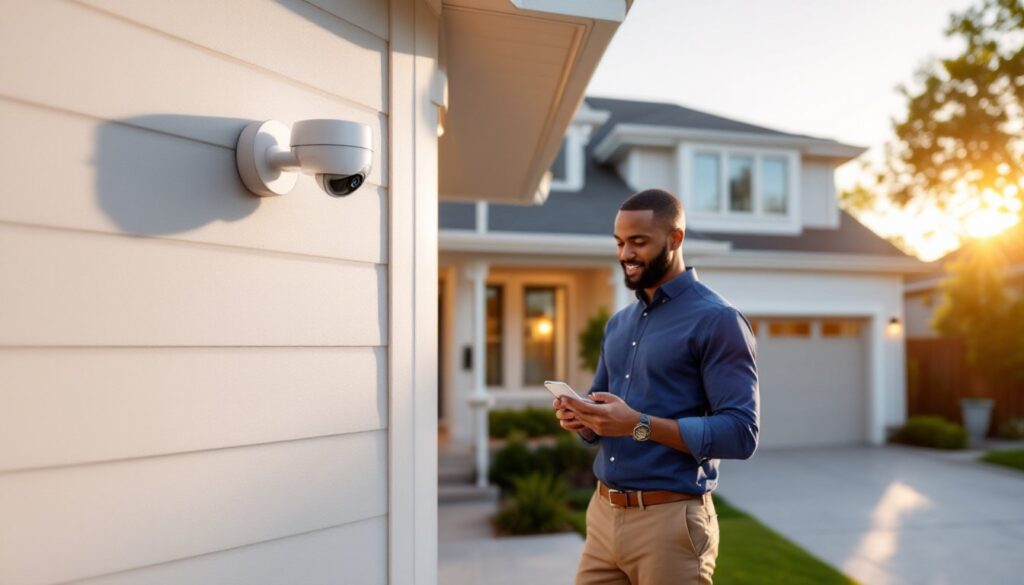
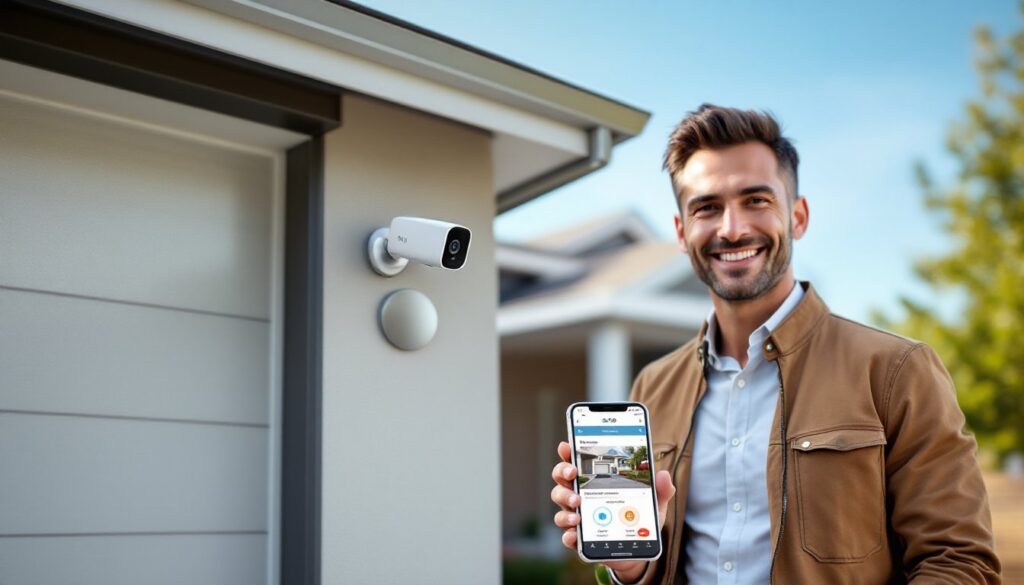
Choosing a home security camera shouldn’t require a cybersecurity degree or a monthly subscription that rivals your streaming bill. Aosu entered the smart security market promising solid hardware, local storage options, and AI smarts without locking users into hefty recurring fees. But does it deliver on those promises? This review breaks down what Aosu cameras actually do well, where they fall short, and whether they’re the right fit for homeowners looking to upgrade their home security without the hassle.
Table of Contents
ToggleKey Takeaways
- Aosu security cameras eliminate subscription costs by offering local microSD storage (up to 128GB) and full app access without mandatory monthly fees, saving $50–$120 annually compared to competitors.
- Color night vision with an integrated spotlight provides up to 30 feet of visibility and motion-triggered deterrence, making it easier to identify details like clothing colors and vehicle makes after dark.
- AI-powered detection for persons, vehicles, and packages reduces false alerts with 85–90% accuracy, while activity zones let you mask high-traffic areas like sidewalks to focus notifications on entry points.
- Battery-powered and wired Aosu models offer flexible installation options, though battery life averages two to three months with moderate use, requiring monthly charging in high-traffic areas.
- The 130-degree field of view is narrower than some competitors, requiring careful camera placement to avoid blind spots at entry points.
- Aosu cameras lack facial recognition and advanced smart home integrations like HomeKit and IFTTT, making them better suited for straightforward home security rather than comprehensive ecosystem automation.
What Makes Aosu Security Cameras Stand Out?
Aosu cameras occupy a sweet spot in the crowded security market: they’re priced competitively without feeling cheap, and they don’t force you into a subscription model just to access basic features.
Most notably, Aosu offers local storage via microSD cards (up to 128GB) and supports direct viewing through their app without monthly cloud fees. That’s a real differentiator when competitors lock footage behind paywalls. Optional cloud plans exist for those who want off-site backup, but they’re not mandatory to get full functionality.
The hardware itself feels thoughtfully designed. Weatherproof enclosures rated IP65 handle rain and dust without issue, critical for outdoor installs. The magnetic mounts simplify positioning, though they’re not ideal for high-traffic areas where tampering is a concern. Wired and battery-powered models give flexibility depending on outlet access.
Aosu also integrates with Alexa and Google Assistant, which isn’t groundbreaking but works smoothly for voice commands and smart home routines. The cameras support 2.4GHz and 5GHz Wi-Fi, though range can be spotty through thick exterior walls or metal siding. Consider your router placement before mounting cameras at the far corners of your property.
Key Features and Performance
Video Quality and Night Vision Capabilities
Aosu’s flagship models record in 2K resolution (2560×1440), which is sharp enough to read license plates within 20 feet during daytime. The 4MP sensor captures more detail than standard 1080p cameras, making it easier to identify faces or package labels in playback.
Color night vision is where Aosu makes a play for attention. Instead of relying solely on infrared LEDs that produce grainy black-and-white footage, their integrated spotlight provides full-color visibility up to 30 feet in low light. It’s genuinely useful for identifying clothing colors or vehicle makes after dark. The spotlight also doubles as a deterrent, motion-triggered lighting often sends prowlers packing before they reach your door.
That said, the color mode drains battery-powered units faster. Expect two to three months per charge with moderate use (10-15 motion events daily). Heavy traffic areas might need monthly top-ups. The wired models obviously skip this concern.
Field of view sits at 130 degrees, which is slightly narrower than some competitors offering 140-160 degrees. You’ll need to plan camera placement more carefully to avoid blind spots at entry points. A corner mount typically covers more ground than a flat wall install.
Smart Detection and AI-Powered Alerts
AI-powered person, vehicle, and package detection cuts down on false alerts from swaying trees or passing shadows. In testing, accuracy hovers around 85-90% for person detection, which is solid but not perfect. Occasionally, a large dog or moving shadow trips the sensor, but it’s far better than basic motion detection.
Package detection works surprisingly well. The camera recognizes when a box appears in the frame and sends a specific alert. Combined with activity zones, you can monitor your porch without getting pinged every time a car drives past.
Two-way audio uses a built-in speaker and microphone for real-time communication. Audio quality is clear enough for conversational use, telling a delivery driver where to leave a package or warning off someone lingering. There’s about a one-second delay, which is typical for Wi-Fi cameras but can feel awkward in back-and-forth exchanges.
Activity zones let you mask out high-traffic areas like sidewalks or streets, focusing alerts on your driveway or front steps. Setup takes a minute or two per camera in the app, dragging boxes over the live view. It’s intuitive enough that you won’t need to dig through a manual.
One gap: no facial recognition. If you’re hoping for alerts that distinguish between household members and strangers, you’ll need to look elsewhere. Aosu sticks with broader categories like “person detected” rather than identifying who.
Installation and Setup Experience
Physical installation is straightforward, especially with the magnetic mounts. Drill two pilot holes with a 3/16-inch bit, insert the included anchors, drive the screws, and snap the camera base onto the mount. The magnetic connection is strong enough for vertical surfaces but wobbles slightly in high winds. For eave-mounted cameras, use the screw-through option for added stability.
Battery models eliminate wiring entirely, which is a huge win for surfaces where running power is a pain, brick, stucco, or vinyl siding. Wired models require access to an outlet or low-voltage wiring if you’re replacing an existing doorbell camera. The included USB cables are 10 feet long, which is adequate for most outdoor outlets but may need an extension for second-story installs.
App setup walks through QR code scanning and Wi-Fi pairing. The process takes about five minutes per camera once you’ve created an account. The app requires location permissions to function, which some users find intrusive, but it’s standard for geofencing features that arm/disarm cameras based on your phone’s location.
One frustration: the cameras don’t support 5GHz-only networks during initial setup. If your router broadcasts a combined SSID, you may need to temporarily split the bands or use a guest network on 2.4GHz for pairing. After setup, they’ll connect to either band.
Multiple users can access the same camera feed through the app, which is useful for households where several people need monitoring access. Permissions are all-or-nothing, no granular controls for view-only versus full admin rights. Many security systems now allow homeowners to monitor entry points like Home Security Cameras No Subscription without recurring costs.
Pros and Cons of Aosu Security Cameras
Pros:
• No mandatory subscription. Local storage via microSD card gives full functionality without monthly fees, which saves $50-$120 annually compared to subscription-only competitors.
• Color night vision provides genuinely useful detail after dark. Being able to see what someone was wearing or the color of a vehicle matters when reviewing footage.
• AI detection reduces false alerts significantly. Package and vehicle detection work well enough to trust notifications without constant checking.
• Weather-resistant build holds up through rain, snow, and temperature swings. IP65 rating means the cameras handle outdoor conditions without protective housings.
• Flexible power options. Battery and wired models let you choose based on outlet access rather than forcing one installation method.
Cons:
• Battery life is moderate. Two to three months per charge is manageable but not class-leading. Competitors offer four to six months with similar feature sets, according to independent reviews from Tom’s Guide.
• Narrower field of view at 130 degrees means more cameras or careful positioning to avoid blind spots. Budget extra time for test mounting.
• App interface feels dated. It’s functional but clunky compared to polished platforms from Ring or Nest. Navigation requires more taps than necessary for common tasks.
• Limited smart home integration. Alexa and Google work, but there’s no HomeKit support, IFTTT triggers, or advanced automation through platforms like Home Assistant.
• No person identification. If distinguishing between family and strangers matters, you’ll need a system with facial recognition, a feature many newer cameras include as standard, as noted in testing by CNET.
• Customer support is hit-or-miss. Response times vary widely, and troubleshooting often defaults to “reset the camera” without deeper diagnostics.
Conclusion
Aosu security cameras deliver solid performance for homeowners who want reliable monitoring without subscription fatigue. The 2K video quality, color night vision, and local storage options check the right boxes for most residential setups. They’re particularly well-suited for DIYers comfortable with basic drilling and app configuration, nothing here requires professional installation or complicated wiring. Smart home enthusiasts may find integration options limited, as coverage from Digital Trends highlights in their connected home reviews. If you’re building a comprehensive ecosystem or need facial recognition, look elsewhere. But for straightforward, no-nonsense security at a reasonable price point, Aosu is worth considering.