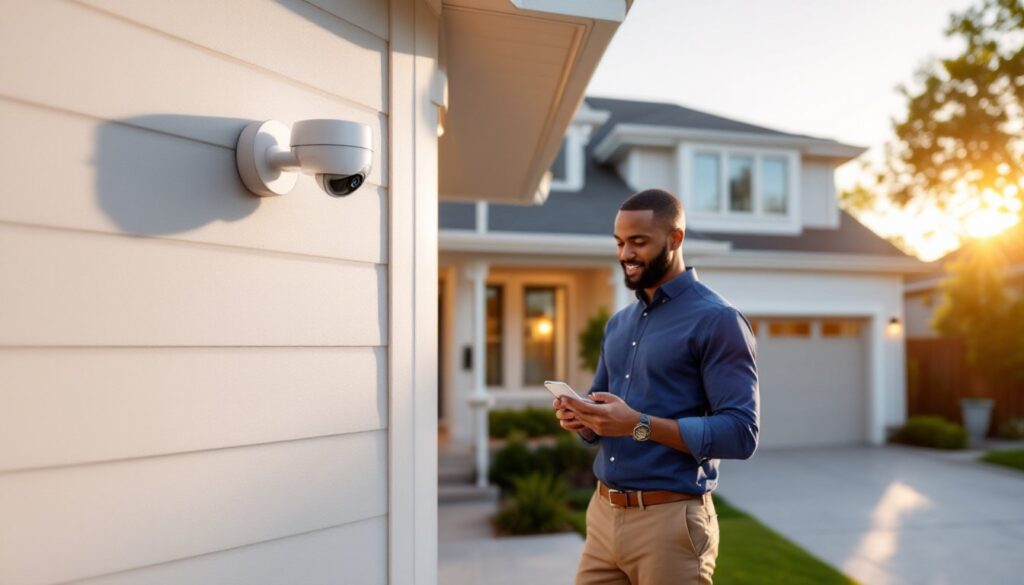
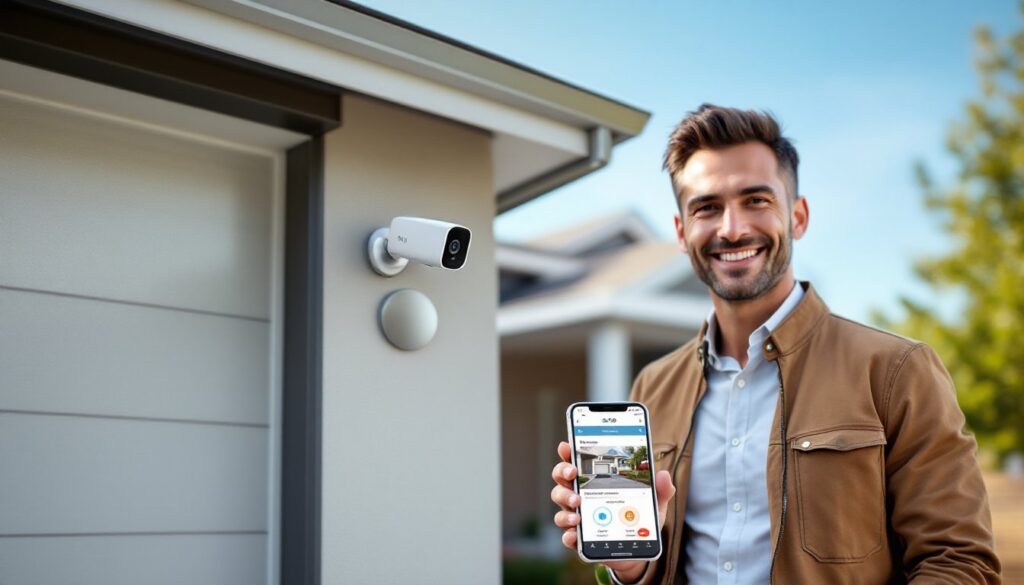
Security cameras aren’t just for tech geeks anymore, they’re a practical layer of protection that most homeowners can install in an afternoon. The Blink Whole Home Security Camera System Bundle offers a wire-free setup that doesn’t require drilling through studs or fishing cable through walls, making it one of the most DIY-friendly options on the market. With battery-powered cameras and a straightforward sync module, this system promises full-property coverage without a professional installer. Whether someone’s looking to monitor the front porch, back gate, or garage, understanding what’s in the box and how it actually performs will help determine if it’s the right fit.
Table of Contents
ToggleKey Takeaways
- The Blink Whole Home Security Camera System Bundle offers wire-free, DIY-friendly installation that requires no drilling, electrical work, or professional help, making it ideal for homeowners who want to set up a system in an afternoon.
- Batteries last up to two years under normal use, and cameras connect wirelessly to the Sync Module within 100 feet, but real-world performance depends on placement, Wi-Fi signal strength, and motion activity levels.
- Motion-activated recording preserves battery life by capturing only when movement is detected, with adjustable sensitivity and activity zones to minimize false alerts from passing cars or tree branches.
- The system functions without a subscription—live view, alerts, and two-way audio work freely—though Blink’s optional subscription plans ($3–$10/month) add cloud storage, person detection, and extended clip length.
- Strategic camera placement at 7–10 feet high with downward angles captures facial details and entry points, while avoiding reflective surfaces and bright light sources prevents washout and false motion triggers.
- Local storage via USB drive (sold separately) offers no monthly fees and unlimited footage retention, but clips require physical drive access; cloud storage provides remote access but involves recurring subscription costs.
What’s Included in the Blink Whole Home Security Bundle
The Blink Whole Home bundle typically includes multiple camera units (often three or more, depending on the package), a Sync Module 2, mounting hardware, and AA lithium batteries for each camera. The Sync Module acts as the hub, connecting all cameras to the home’s Wi-Fi network and managing local storage if a USB drive is added.
Each camera measures roughly 2.8 x 2.8 x 3.75 inches and weighs under four ounces, making placement flexible. The mounting brackets allow for either screw-in installation (into siding, fascia, or exterior trim) or adhesive backing for non-permanent setups. The included batteries are designed to last up to two years under normal use, though heavy motion detection activity will drain them faster.
The Sync Module 2 requires a power outlet and an Ethernet cable connection to the router during initial setup, though it switches to Wi-Fi afterward. It supports up to 10 Blink devices, so homeowners can expand coverage later without buying additional hubs. The bundle doesn’t include a USB drive for local storage, that’s sold separately, but it does come with a trial of Blink’s cloud subscription service.
One thing to note: the package doesn’t include outdoor-rated mounting screws for all surfaces. If mounting to brick or stucco, pick up masonry anchors and appropriate drill bits ahead of time. For wood siding or trim, the included screws work fine.
Key Features That Make Blink Stand Out for Home Protection
Blink cameras lean hard into simplicity and affordability, but they still pack features that matter for everyday home monitoring. The system is built around motion-activated recording, meaning cameras only capture when something moves within their field of view. This conserves battery life and keeps storage from filling with hours of static footage.
Wire-Free Installation and Extended Battery Life
The wire-free design is the biggest draw for DIYers. There’s no need to run low-voltage wiring, hire an electrician, or pull permits. Each camera is powered by two AA lithium batteries, which Blink rates for up to two years of use based on default settings (around 40 seconds of live view and motion-activated recording per day). Real-world battery life depends heavily on placement and activity, a camera pointed at a busy sidewalk will drain faster than one monitoring a quiet side yard.
Cameras connect to the Sync Module via a proprietary 2.4 GHz wireless protocol, not Bluetooth. This gives a range of about 100 feet in open air, though walls and interference can cut that down. For properties with detached garages or outbuildings, plan camera placement within that range or consider a second Sync Module.
Blink cameras are rated IP65, meaning they’re dust-tight and can handle rain, snow, and hose spray. They’re not submersion-proof, so don’t mount them where standing water collects. Operating temperature range is -4°F to 113°F, which covers most climates but may struggle in extreme desert heat or Arctic cold.
Motion Detection and Smartphone Alerts
Motion detection uses passive infrared (PIR) sensors, which detect heat signatures rather than visual changes. This works well for people and animals but can miss slow-moving objects or activity outside the detection zone (up to 20 feet with a 110-degree field of view). Sensitivity is adjustable in the app, and users can set activity zones to ignore high-traffic areas like a street or sidewalk.
When motion triggers, the camera records a clip (default length is 10 seconds, adjustable up to 60 seconds) and sends a push notification to the smartphone. Response time is typically 3 to 5 seconds from motion to alert, which is decent but not instant. Live view can be accessed anytime through the app, though it counts against battery life.
Night vision uses infrared LEDs with a range of about 20 feet. Footage is black-and-white in low light, and clarity drops off past that distance. For longer driveways or larger yards, pairing cameras with motion-activated security lighting improves visibility and acts as an additional deterrent.
The system includes two-way audio via a built-in speaker and microphone, useful for talking to delivery drivers or warning off package thieves. Audio quality is functional but not crystal-clear, expect some compression and slight delay.
Setting Up Your Blink System: A DIY-Friendly Installation Process
Installation is straightforward, but a few prep steps make the process smoother. Start by downloading the Blink Home Monitor app (iOS or Android) and creating an account before unboxing anything. Charge the phone fully, setup can take 30 to 60 minutes depending on how many cameras are being placed.
1. Connect the Sync Module.
Plug the Sync Module into a power outlet near the Wi-Fi router. Use the included Ethernet cable to connect it to the router during setup. The module will blink blue when it’s ready to pair. In the app, follow the prompts to add the Sync Module to the network. Once connected, the blue light will go solid. After setup, the Ethernet cable can be disconnected if the module is within strong Wi-Fi range.
2. Add cameras one at a time.
Insert the batteries (observe polarity, positive end goes in first) and scan the QR code on the back of each camera using the app. The camera will chime and flash red, then blue, indicating it’s syncing. Name each camera by location (Front Door, Garage, Backyard) to keep them organized. Test live view before mounting to confirm signal strength, if the feed is choppy, the camera may be too far from the Sync Module.
3. Mount cameras strategically.
For outdoor placements, aim for 7 to 10 feet off the ground, high enough to avoid tampering but low enough to capture clear facial detail. Angle cameras slightly downward to cover entry points like doors, gates, or driveways. If mounting to wood siding, pre-drill pilot holes to avoid splitting. For stucco or brick, use a masonry bit and plastic anchors. The adhesive mount works for temporary setups but isn’t reliable long-term, especially in temperature swings.
Avoid pointing cameras directly at reflective surfaces (windows, metal siding) or bright light sources (porch lights, sunset angles), as this can wash out footage or trigger false motion alerts. Many cameras without subscription fees struggle with similar placement challenges.
4. Adjust motion zones and sensitivity.
After mounting, test each camera by walking through its field of view. In the app, enable activity zones to exclude areas that trigger false alerts, like swaying tree branches or passing cars. Lower sensitivity in high-traffic areas: increase it for less-active zones.
5. Check signal strength.
The app displays signal bars for each camera. If a camera shows weak signal (one or two bars), either move it closer to the Sync Module or relocate the module to a more central spot in the home. Thick exterior walls and metal siding can block signal, sometimes moving the module to an upstairs window improves range.
Total install time for a three-camera system runs about 45 minutes if prep work (marking screw holes, gathering tools) is done ahead. No permits or professional help needed, though a second person helps with camera alignment and testing.
Storage Options and Subscription Plans Explained
Blink offers two storage routes: local storage via USB or cloud storage through a subscription. Both have trade-offs, and the right choice depends on how someone wants to access and manage footage.
Local storage requires a USB flash drive (not included) plugged into the Sync Module 2. Drives up to 256 GB are supported, which can store thousands of clips depending on length and resolution. Footage is saved directly to the drive, with no monthly fee. The downside: clips must be accessed by removing the USB drive and plugging it into a computer, or through the app if the Sync Module is online. There’s no off-site backup, so if the module is stolen or damaged, footage is lost.
Blink Subscription Plans add cloud storage, extended clip length, and advanced features. As of 2026, plans include:
- Blink Basic Plan: $3/month per camera, or $30/year. Includes 60 days of cloud storage, person detection (to filter out animals or moving shadows), and unlimited clip length.
- Blink Plus Plan: $10/month for unlimited cameras at one location, or $100/year. Same features as Basic, but covers the whole system instead of individual cameras.
Without a subscription, the system still functions, live view, motion alerts, and two-way audio all work, but motion-triggered clips aren’t saved unless local storage is set up. This is a key difference from some competing systems that lock basic functionality behind a paywall. According to testing from independent reviewers, Blink’s no-subscription model remains one of its strongest selling points.
For households that want cloud convenience but don’t need every camera covered, the Basic Plan works well, just subscribe the front door and garage cameras, and use local storage for less critical views.
One limitation: Blink doesn’t support continuous recording. The system is motion-activated only, so it won’t capture everything happening 24/7. For full-time recording, wired systems like those from DSC or Xfinity with NVR setups are better suited, though they require more complex installation.
Footage resolution is 1080p Full HD for most Blink models, which is adequate for identifying faces and activity within 20 feet. Clips can be downloaded through the app (subscription required) or pulled from the USB drive for local storage users. Sharing clips with law enforcement or neighbors is straightforward via email or app link.
Compared to systems that require professional monitoring or integrate with broader smart home ecosystems, Blink keeps things simple. It doesn’t tie into advanced automation like adjusting thermostats or unlocking smart locks, but for straightforward surveillance and alerts, it covers the essentials without bloat.
Conclusion
The Blink Whole Home Security Camera System Bundle delivers on its promise: wire-free installation, solid battery life, and flexible storage options without locking users into expensive subscriptions. It’s not the most feature-rich system available, but for DIYers who want dependable monitoring without running cable or hiring pros, it’s a practical choice. Set it up in an afternoon, adjust sensitivity over the first week, and check in as needed, simple as that.