Vivint has built a reputation as one of the most recognized names in professionally monitored home security, but how do their cameras stack up for the average homeowner? Unlike off-the-shelf options you can grab at a big-box store, Vivint operates on a different model: professional installation, integrated smart home control, and ongoing monitoring contracts. This means you’re not just buying a camera, you’re buying into an ecosystem. For some households, that’s exactly what they want. For others, it’s overkill. This guide walks through what Vivint cameras actually deliver, how they’re installed, what you’ll pay upfront and over time, and whether they’re the right fit for your property and security goals.
Table of Contents
ToggleKey Takeaways
- Vivint security cameras are part of an integrated ecosystem requiring professional installation and ongoing monitoring contracts, not standalone products like typical DIY options.
- A Vivint security camera system costs $600–$1,500 upfront plus $30–$65 monthly for monitoring and storage, with 42–60 month contracts and early termination fees of 75–100% of remaining balance.
- Vivint cameras feature AI-powered detection (distinguishing people, vehicles, and animals), live professional monitoring with human response, and optional 24/7 continuous recording to reduce false alerts.
- Installation requires certified technicians to mount cameras, run low-voltage wiring, and integrate with your smart home platform—a process taking 2–4 hours but eliminating DIY complexity and liability.
- Vivint is ideal for homeowners seeking unified smart home control and professional monitoring but not suitable for those wanting flexibility, no monthly fees, or Apple HomeKit integration.
- Unlike some competitors, Vivint cameras have no local recording option without subscriptions and don’t support open protocols like RTSP or ONVIF for third-party integrations.
What Makes Vivint Security Cameras Stand Out?
Vivint doesn’t sell standalone cameras. Their products are part of a larger professionally installed and monitored security system. That’s the first thing to understand. You can’t just buy a Vivint doorbell camera and plug it in, it’s designed to work within the Vivint Smart Home platform, which includes door/window sensors, motion detectors, smart locks, and a control panel.
What sets Vivint apart is integration. Their cameras tie directly into their monitoring service, so alerts don’t just ping your phone, they can trigger a live response from Vivint’s monitoring center. If motion is detected at 2 a.m., a trained agent can pull up your live feed and assess whether it’s a package thief or a raccoon. That level of human-in-the-loop monitoring isn’t common with DIY systems.
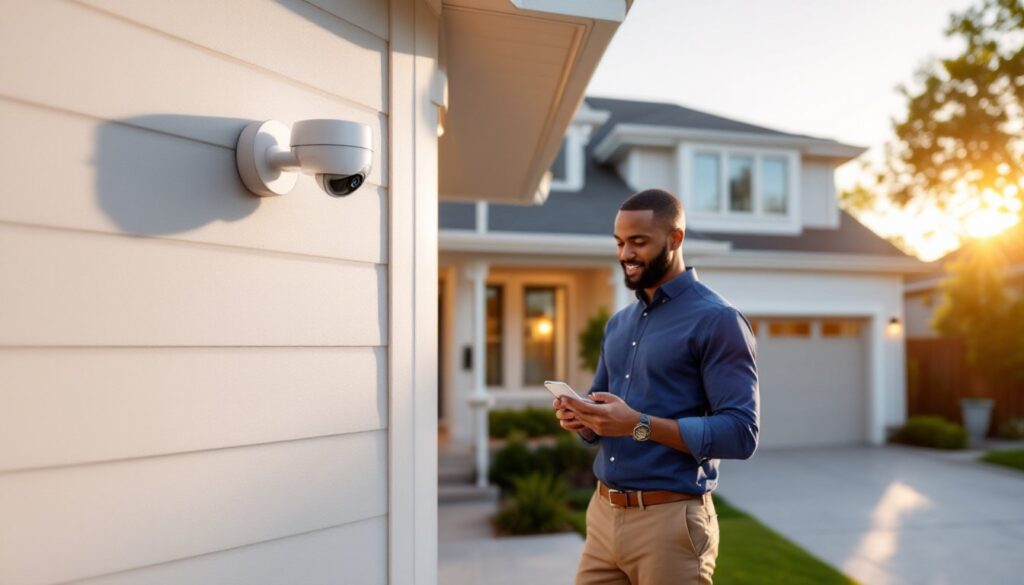
The cameras also use AI-driven analytics. Vivint’s newer models distinguish between people, vehicles, and animals, reducing false alerts. The Outdoor Camera Pro, for example, features a 140-degree field of view, 1080p HD resolution, color night vision, and two-way audio. It’s weather-resistant with an IP65 rating, meaning it can handle rain, snow, and dust without issue.
Another standout: continuous recording is available with optional cloud storage plans. Many competitors only record when motion is detected, which can miss the seconds leading up to an event. Vivint offers both event-based and 24/7 recording, depending on your plan and storage tier.
But here’s the trade-off: you’re locked into Vivint’s hardware and service contracts. You can’t mix and match with other brands easily, and you can’t switch to a different monitoring company without replacing the entire system. That’s not inherently bad, but it’s a commitment homeowners need to weigh before signing on.
Vivint Camera Models and Features Compared
Vivint offers three primary camera models as of 2026: the Outdoor Camera Pro, the Indoor Camera, and the Doorbell Camera Pro. Each serves a different role in a layered security setup.
The Outdoor Camera Pro is the workhorse. It mounts to exterior walls or eaves, powered by a wired connection (no battery swaps). It includes smart detection to filter out non-threats, HDR imaging for high-contrast scenes (like bright porches with dark driveways), and enhanced night vision that uses ambient light to capture color footage instead of grainy black-and-white. Mounting requires drilling through siding or stucco and running low-voltage wiring back to the control panel or a power source, not a DIY-friendly task for most homeowners.
The Indoor Camera is smaller and simpler. It’s designed for monitoring entryways, hallways, or common areas inside the home. It includes 1080p resolution, night vision, two-way talk, and a privacy shutter that physically covers the lens when you’re home. It connects via Wi-Fi and plugs into a standard outlet, making it the easiest Vivint camera to relocate.
The Doorbell Camera Pro replaces your existing doorbell. It offers 180-degree vertical field of view to capture packages left on the ground, HDR video, package detection alerts, and pre-roll buffering that saves a few seconds of video before motion is detected. Installation involves removing the old doorbell, connecting to existing doorbell wiring (typically 16–24V AC), and mounting the new unit. If your home lacks doorbell wiring, Vivint techs can install a plug-in chime adapter.
Indoor vs. Outdoor Camera Options
Indoor cameras prioritize discretion and ease of use. They’re lightweight, plug-and-play, and don’t require weatherproofing. Vivint’s indoor model is ideal for monitoring pets, checking in on kids, or verifying that service workers stayed in authorized areas.
Outdoor cameras face harsher conditions. They need IP-rated enclosures, wide-angle lenses to cover driveways or yards, and infrared or color night vision for low-light performance. Vivint’s outdoor models are hardwired, which eliminates battery anxiety but requires professional routing of cables through walls or attics. Many homeowners compare home security cameras no subscription models before committing to a contract-based system like Vivint’s.
If you’re planning to install outdoor cameras yourself with a different system, expect to drill pilot holes, run conduit, and possibly patch siding. Vivint’s professional install avoids that labor, but you’ll pay for the convenience in upfront fees and contract terms.
Installation and Setup: What Homeowners Need to Know
Vivint requires professional installation. There’s no option to self-install their cameras or control panel. A certified tech schedules an appointment, arrives with all necessary equipment, and handles drilling, wiring, mounting, and system activation. For most homes, installation takes 2–4 hours.
The installer will:
- Mount cameras at optimal heights (typically 8–10 feet for outdoor units)
- Run low-voltage wiring through walls or exterior conduit
- Connect cameras to the Vivint Smart Hub
- Configure motion zones, detection settings, and recording schedules
- Walk you through the mobile app and control panel interface
Safety note: Outdoor camera installation may require working on a ladder at heights above 10 feet. If your home has steep eaves or multi-story walls, the installer may need scaffolding or extension ladders. Make sure the crew has proper fall protection and that you’ve cleared the work area.
One advantage: Vivint techs handle the complexity of integrating cameras with your existing smart home devices (Z-Wave locks, thermostats, lights). They also ensure cameras are positioned to avoid legal issues, pointing at your own property, not your neighbor’s bedroom window.
Downside: you can’t DIY repairs or upgrades. If a camera fails after installation, you’ll need to schedule a service call. Vivint covers equipment failures under warranty, but you may face wait times or service fees outside the warranty period.
Permits generally aren’t required for security camera installation, but local ordinances may restrict camera placement in shared spaces (HOA properties, multi-family buildings). Vivint installers should be familiar with common restrictions, but it’s wise to check your HOA bylaws before scheduling.
Pricing, Contracts, and Ongoing Costs
Vivint doesn’t publish fixed pricing on their website, they require a consultation to quote your system. But, typical costs break down as follows:
- Upfront equipment + installation: $600–$1,500, depending on the number of cameras and sensors
- Monthly monitoring: $30–$55/month for basic plans, $45–$65/month for plans with smart home control and video storage
- Contract length: 42–60 months (3.5 to 5 years) is standard
You can finance equipment costs over the contract term, which spreads the upfront expense but locks you into the full contract duration. Early termination fees typically range from 75% to 100% of remaining contract balance.
Video storage is tiered:
- Basic monitoring: No video storage, live viewing only
- Smart Home Video: 30-day cloud storage for motion-triggered clips
- Continuous Video Recording (CVR): 24/7 recording with 30-day rolling storage
CVR typically adds $5–$10 per camera per month. For a four-camera setup, that’s an extra $20–$40/month on top of base monitoring.
According to reviews on CNET, Vivint’s total cost of ownership over a five-year contract can reach $3,000–$4,500 for a mid-sized system, which is higher than DIY alternatives but competitive with other professionally monitored services like ADT.
No subscription-free option exists. If you cancel monitoring, the cameras stop recording and the system reverts to basic arming/disarming. This is a key difference from brands that allow local recording without monthly fees.
Tip: Ask your sales rep about any current promotions. Vivint occasionally waives installation fees or offers discounted first-year rates, especially for bundled packages.
Smart Home Integration and Mobile App Experience
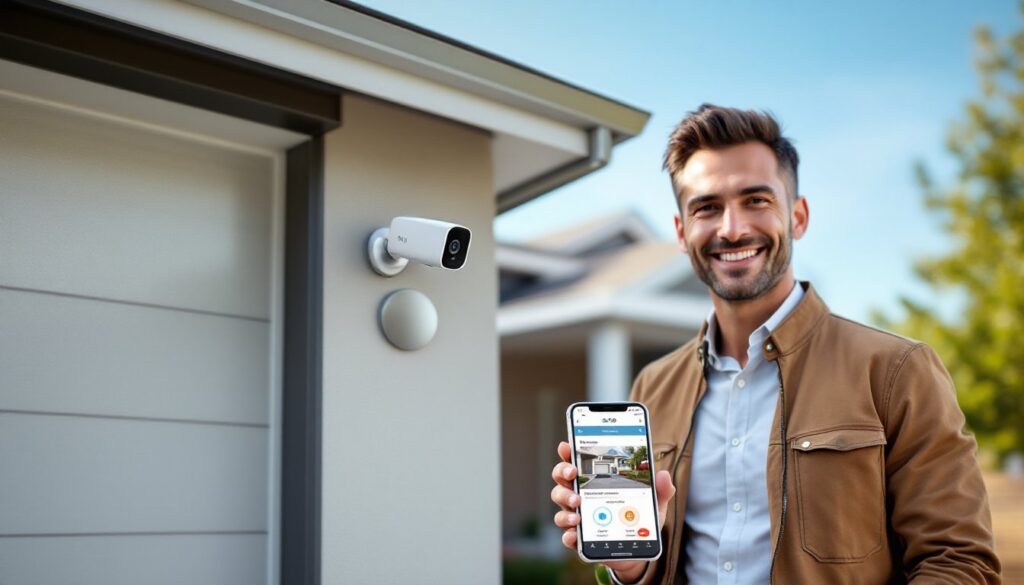
Vivint’s cameras integrate tightly with their Smart Home app (iOS and Android). The app provides:
- Live streaming from any camera
- Playback of recorded events with timeline scrubbing
- Custom alerts based on person, vehicle, or package detection
- Two-way audio for speaking to visitors or delivery drivers
- Automation rules (e.g., “Turn on porch light when doorbell detects motion”)
The app also controls locks, thermostats, garage doors, and lights, all from one interface. For homeowners building a connected ecosystem, that centralization is convenient. You’re not juggling separate apps for each device.
Vivint supports voice control via Amazon Alexa and Google Assistant. You can say, “Alexa, show me the front door camera,” and stream video to an Echo Show or Fire TV. Apple HomeKit integration is not supported, which frustrates iPhone users invested in the Apple ecosystem.
Compared to competitors, Digital Trends notes that Vivint’s app is polished and responsive, but lacks some advanced features found in dedicated camera brands like Nest or Arlo (custom activity zones, facial recognition, etc.).
One limitation: Vivint cameras don’t support RTSP or ONVIF protocols, meaning you can’t integrate them with third-party NVR systems or Home Assistant setups. You’re fully dependent on Vivint’s cloud and app infrastructure.
The app also includes a Smart Deter feature on outdoor cameras: when a person is detected lurking near a door or window, the camera can flash a red LED ring and sound a pre-recorded warning. It’s a proactive deterrent, not just passive recording.
Is a Vivint Security Camera Right for Your Home?
Vivint cameras make sense for homeowners who want a fully integrated, professionally managed security system and are comfortable with long-term contracts. They’re a strong fit if:
- You value 24/7 professional monitoring with live agent response
- You’re building or upgrading a smart home and want one unified platform
- You prefer professional installation and don’t want to troubleshoot wiring or Wi-Fi issues
- You’re willing to commit to a multi-year contract in exchange for upfront financing
They’re not ideal if:
- You want flexibility to switch providers or self-monitor
- You prefer one-time purchases with no monthly fees
- You’re comfortable with DIY installation and configuration
- You need integration with Apple HomeKit or open-source platforms
Alternatives worth considering include Ring (affordable, DIY-friendly, optional monitoring), Arlo (wireless, flexible plans), and Lorex (local recording, no subscriptions). Reviews on Tom’s Guide frequently compare Vivint’s contract model against these pay-as-you-go competitors.
Bottom line: Vivint delivers reliable hardware, responsive monitoring, and seamless smart home control, but you’re paying a premium for that convenience and locked into their ecosystem. If that trade-off aligns with your security priorities and budget, Vivint is a solid choice. If you value independence and cost control, explore DIY alternatives first.