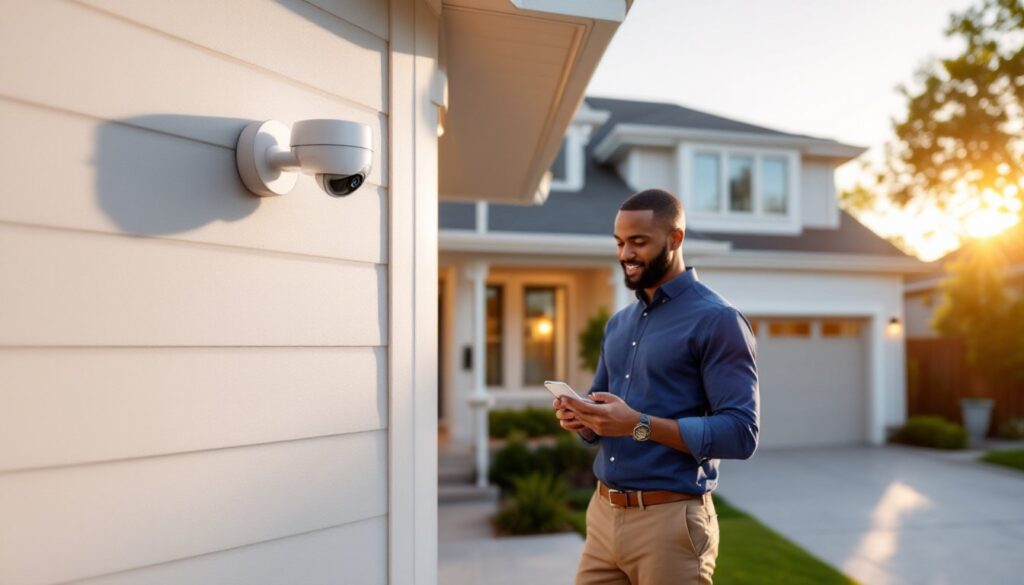
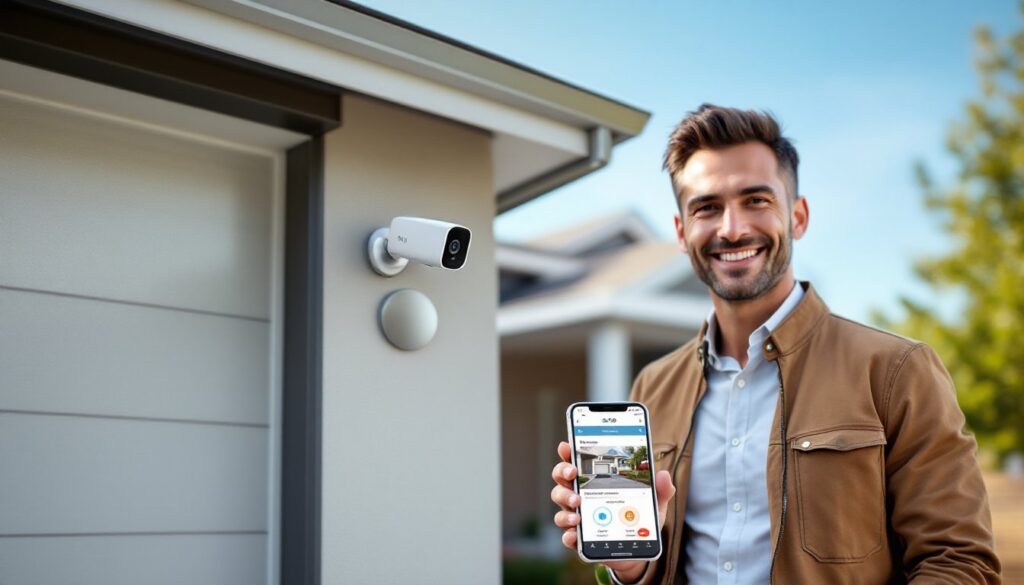
Installing a security camera system shouldn’t require a monthly ransom to a cloud service provider. Eufy’s approach, local storage, no mandatory subscriptions, and solid hardware, has made them a go-to brand for DIYers who want reliable surveillance without recurring fees. But how do these cameras actually perform when you’re mounting them to vinyl siding at 7 a.m. or troubleshooting Wi-Fi dropouts in a detached garage? This review cuts through the marketing and focuses on what matters: build quality, real-world installation challenges, image performance in varied lighting, and whether the feature set justifies the price for a typical homeowner.
Table of Contents
ToggleKey Takeaways
- Eufy security camera reviews highlight that local storage and no mandatory subscription fees save homeowners up to $600 over five years compared to competitors charging $10/month per camera.
- The Eufy SoloCam S340 offers dual-lens 8MP resolution with 360° pan/tilt coverage and a 3-month battery life, making it ideal for outdoor monitoring without professional installation.
- Eufy Indoor Cam S350 delivers 4K resolution with a privacy shutter and two-way audio, but placement is limited to areas near AC outlets via USB-C.
- Eufy security cameras rely heavily on Wi-Fi signal strength; outdoor units placed 40+ feet from the router often experience dropouts, so mesh Wi-Fi systems are recommended before installation.
- On-device AI detection for people, vehicles, and pets eliminates cloud dependency and reduces latency, though accuracy occasionally falters with partially obscured subjects or large animals.
- Eufy cameras are designed for DIY installation and mid-range pricing ($130–$500), offering better reliability than basic wireless cameras but less complexity than professional PoE systems.
Why Eufy Security Cameras Stand Out in the Smart Home Market
Eufy cameras distinguish themselves through three core advantages: local storage, no subscription fees, and straightforward installation that doesn’t require running low-voltage wiring or hiring an electrician.
Most competing systems, Ring, Nest, Arlo, lock essential features like person detection or extended video history behind monthly plans that run $5–$15 per camera. Eufy builds storage into the camera (via microSD) or includes it in their HomeBase hub. You own your footage, and there’s no cloud dependency unless you specifically want it.
The hardware is designed with DIYers in mind. Magnetic mounts, integrated batteries, and solar panel compatibility mean you can place cameras where they’re needed, not just where AC outlets exist. Eufy’s app walks users through setup without requiring a networking degree, though Wi-Fi signal strength and router placement still matter, especially for cameras positioned 40+ feet from the router.
For homes without existing security infrastructure, Eufy offers a middle ground: better than basic wireless cams from big-box stores, but less complex (and expensive) than professionally installed systems with NVRs and PoE runs.
Top Eufy Security Camera Models Reviewed
Eufy SoloCam S340: Best for Outdoor Monitoring
The SoloCam S340 is a dual-lens outdoor camera with 8MP resolution and a motorized pan/tilt mechanism covering 360° horizontal and 70° vertical range. It runs on a rechargeable battery (rated for 3 months per charge under typical use) or connects to an optional solar panel for continuous power.
Key features include dual-band Wi-Fi (2.4 GHz and 5 GHz), which helps in congested wireless environments, and on-device AI that differentiates between people, vehicles, and pets without cloud processing. Night vision uses infrared LEDs effective to about 30 feet, though color night vision kicks in when ambient light is present.
Installation takes roughly 20 minutes. The magnetic mount attaches to the camera base with a security screw (included hex key). Drilling into stucco, fiber cement, or vinyl requires a masonry bit or standard wood bit, respectively. The mount accepts a 1/4-20 thread, so you can adapt it to third-party brackets if needed.
Real-world testing showed reliable motion detection within 25 feet during daylight. Alerts arrived within 2–4 seconds. The pan/tilt function is slower than fixed cameras but useful for tracking movement across a driveway or yard. Wind-induced false alerts were minimal after adjusting sensitivity settings in the app.
Eufy Indoor Cam S350: Ideal for Interior Surveillance
The Indoor Cam S350 offers 4K resolution with a motorized 350° pan and 115° tilt. It plugs into AC power via USB-C, so placement is limited to areas near outlets or where you’re willing to run a cable along baseboards or through walls.
This model includes dual-band Wi-Fi, on-device person detection, and a physical privacy shutter, a sliding cover that blocks the lens when you’re home. The camera supports two-way audio with echo cancellation, making it functional for checking in on kids, pets, or deliveries.
Image quality in 4K is noticeably sharper than 1080p competitors, especially when digitally zooming into recorded footage to read labels or identify faces. Low-light performance is adequate for typical interior lighting: it struggles only in near-dark rooms without any ambient light.
Setup is plug-and-play. The app scans a QR code on the camera, connects to your Wi-Fi, and completes initial configuration in under five minutes. Mounting options include a countertop stand or a wall bracket (requires two screws into drywall anchors if not hitting a stud).
One caveat: The motorized tracking can be loud enough to notice in a quiet room, fine for a hallway or living room, less ideal for a nursery where you want absolute silence.
Performance, Features, and Real-World Testing
Video quality across Eufy’s lineup is competitive. The 4K models deliver crisp daytime footage with accurate color. The 2K and 1080p options are perfectly adequate for identifying people and vehicles within 15–20 feet. Compression artifacts appear when zooming into distant objects, but that’s typical for consumer-grade cameras.
Night vision uses infrared LEDs that produce black-and-white images. Effective range is about 25–30 feet, with clarity dropping off beyond that. Some models offer color night vision when there’s ambient light (streetlights, porch lights), but it’s not true low-light performance, just slower shutter speeds that amplify existing light.
AI detection (person, vehicle, pet) is processed on-device, which reduces latency and eliminates cloud dependency. Accuracy is solid in clear conditions, though it occasionally tags large dogs as people or misses partially obscured subjects. You can define activity zones in the app to ignore areas like sidewalks or neighboring driveways, reducing false alerts.
Two-way audio quality is functional but not exceptional. Outgoing audio (your voice) is clear: incoming audio (from the camera) can sound tinny. It’s fine for telling a delivery driver to leave a package by the door, less suitable for extended conversations.
Battery life varies with usage. Cameras set to record only on motion and positioned in low-traffic areas can run 2–3 months per charge. High-traffic locations with frequent recordings drain batteries faster, expect monthly recharges. Solar panels (sold separately, around $50) keep batteries topped off in locations with 3+ hours of direct sun daily.
Weather resistance is rated IP67 for outdoor models, meaning they handle rain, snow, and dust without issue. Temperature operating range is -4°F to 122°F, which covers most U.S. climates but may falter in extreme northern winters or desert summers.
Installation and Setup: What DIY Homeowners Need to Know
Eufy cameras are designed for self-installation, but success depends on a few factors: Wi-Fi coverage, mounting surface, and power access.
Wi-Fi signal strength is critical. Cameras need consistent connectivity, and outdoor units placed far from the router often experience dropouts. Before drilling holes, test signal strength using your phone at the intended camera location. If bars drop below two, consider a mesh Wi-Fi system or a dedicated outdoor access point. The 5 GHz band offers faster speeds but shorter range: 2.4 GHz penetrates walls better and is usually the safer choice for outdoor cameras.
Mounting surfaces vary. Drilling into vinyl siding requires care, use a 7/64″ bit for the provided screws and avoid over-tightening, which can crack the siding. For brick or stucco, a masonry bit and plastic anchors are essential. Fiber cement (like Hardie board) needs carbide-tipped bits. If you’re mounting to a soffit or fascia, locate the underlying rafter or blocking with a stud finder, don’t trust just the thin aluminum or vinyl.
Cable management matters for wired models or those using solar panels. Run cables along trim, under soffits, or through conduit to protect them from weather and pests. Use cable clips or staples (not into the cable itself, alongside it) to secure runs.
HomeBase setup (for systems that use a hub) adds one step: connecting the hub to your router via Ethernet and plugging it into AC power. The hub stores footage on an internal 16 GB drive (expandable via hard drive in some models) and handles all camera communication, which can improve battery life and reduce Wi-Fi congestion.
Permit requirements are minimal, most jurisdictions don’t require permits for security cameras, but check local rules about audio recording and neighbor privacy. Positioning cameras to avoid direct views into neighboring windows or yards is both courteous and legally prudent.
Pricing and Value: Are Eufy Cameras Worth the Investment?
Eufy camera pricing sits in the mid-range: $130–$200 for individual cameras, $300–$500 for multi-camera kits with a HomeBase hub. That’s more than basic indoor cams ($30–$50) but far less than professional-grade systems ($1,000+).
The real value emerges over time. Competitors charging $10/month per camera add up to $120/year, or $600 over five years for a five-camera system. Eufy’s upfront cost is higher, but the lack of subscriptions means you’re saving money by year two.
Build quality is solid. Housings are weather-sealed plastic (not flimsy), lenses are glass (not acrylic), and mounts feel durable. Firmware updates arrive regularly, addressing bugs and occasionally adding features.
Warranty coverage is 18 months from purchase, with responsive customer support via email and phone. Replacement parts (mounts, cables, solar panels) are available directly from Eufy, though third-party options exist on Amazon.
For households seeking affordable security solutions, Eufy hits a sweet spot: capable hardware, no ongoing fees, and installation simple enough for a Saturday morning project. They’re not commercial-grade, businesses should look at PoE systems with NVRs, but for residential use, they deliver.
Keep in mind that smart home ecosystems matter. Eufy integrates with Alexa and Google Assistant, but HomeKit support is limited to select models. If you’re deep into Apple’s ecosystem, verify compatibility before buying.