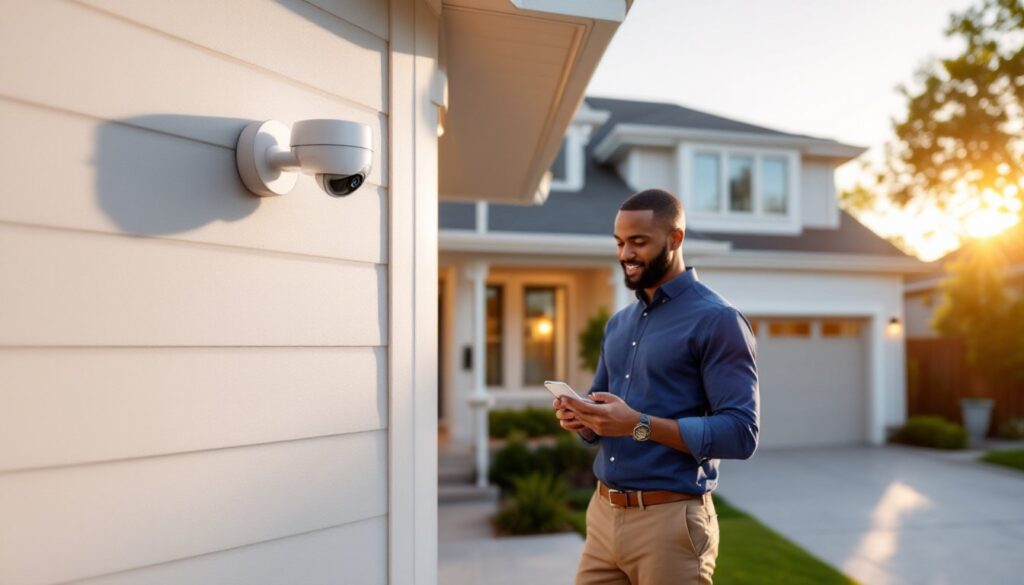
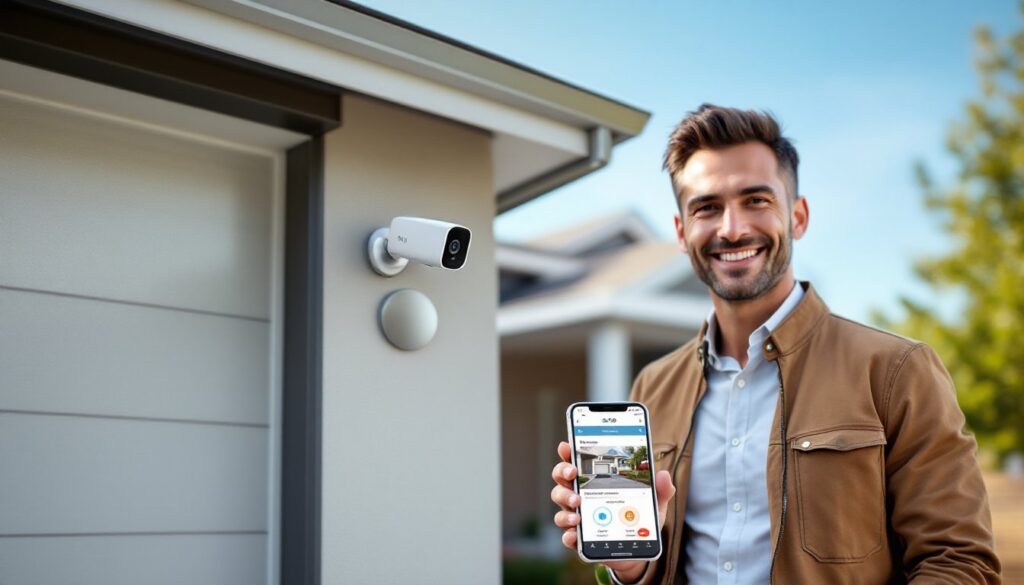
Home security cameras have become essential for protecting your property in 2026. Whether you’re concerned about package theft, monitoring activity while away, or simply deterring unwanted visitors, good home security cameras offer peace of mind without requiring a professional installation. The challenge isn’t finding security cameras, it’s finding the right ones that match your budget, home layout, and technical comfort level. This guide walks you through what matters most when selecting a security camera system, cutting through the marketing hype to focus on practical features that actually protect your home.
Table of Contents
ToggleKey Takeaways
- Good home security cameras act as both a visible deterrent and evidence tool, with visible security equipment reducing break-ins compared to unprotected properties.
- Resolution of 1440p (2K) and effective night vision reaching at least 30 feet are the most practical features for identifying faces and capturing license plate details in real-world home protection.
- Strategic camera placement at 8-10 feet high near entry points (front door, back door, garage, and side yards) combined with strong Wi-Fi connectivity ensures you’ll capture useful footage rather than recording empty areas.
- Battery-powered wireless security cameras offer reliable protection without hardwiring complexity, though they require seasonal charging every 6-12 months depending on activity level.
- Cloud storage subscriptions cost $5-15 monthly per camera, but local recording on microSD cards or NAS provides a budget-friendly alternative that eliminates ongoing subscription fees.
Why Home Security Cameras Matter
A functioning security camera system does more than record footage, it’s a visible deterrent that makes your home a less attractive target. Studies show that homes with visible security equipment experience fewer break-ins compared to unprotected properties. Beyond deterrence, cameras provide evidence if something does happen, capturing details that can help law enforcement or insurance claims.
The real value shows up when you need it. Footage from a home security camera has recovered stolen packages, identified delivery drivers who’ve mishandled items, and documented contractors working on your property. Modern systems integrate with your smartphone, letting you check in on your home from anywhere, whether you’re at work, traveling, or just stepping out for errands. Unlike traditional alarm systems that only respond after an incident, a wireless security camera works continuously, offering both prevention and documentation.
Key Features to Look For in a Quality Security Camera
Not all security cameras are built equally. Understanding what separates a capable camera from an overpriced dud helps you avoid buyer’s remorse and actually get the protection you’re paying for.
Resolution, Night Vision, and Field of View
Resolution matters more than you might think. A 1080p camera delivers acceptable clarity for most homes, but 1440p (2K) and 2K resolution cameras provide noticeably better detail, especially useful if you’re reading a license plate or identifying faces. At 4K, you’re paying significantly more but gain only marginal real-world improvement for typical home use.
Night vision functionality separates cameras that actually work around the clock from expensive paperweights. Look for infrared (IR) night vision that reaches at least 30 feet, though 50+ feet is better if you’re monitoring a driveway or yard. Some newer cameras use color night vision instead of the traditional grainy black-and-white, which helps with identification but consumes more power and bandwidth.
Field of view (FOV) determines how much your camera captures. Standard 90-110 degree FOV covers a front door or small area reasonably well. If you want wider coverage, a 130-150 degree wide-angle lens reduces blind spots but creates slight distortion at the edges. Many homeowners solve this by installing multiple cameras rather than trying to cover everything with one ultra-wide lens.
Connectivity and Smart Home Integration
Your camera only matters if you can actually see the footage when you need it. Wi-Fi connectivity is now standard, but bandwidth matters more than it sounds. A poor connection creates lag, freezing video, or missed motion alerts that defeat the purpose. For reliability, position your router centrally or use a mesh Wi-Fi system to ensure strong signal strength throughout your property.
Smart home integration lets you control cameras from your phone, set activity zones, and receive alerts when motion is detected. Platforms like Alexa, Google Home, and Apple HomeKit integrate well with most modern cameras, though some brands work better with certain ecosystems. If you already own smart home devices, checking compatibility before buying saves frustration later. Some systems offer local recording on a microSD card or NAS (network attached storage), which reduces your reliance on cloud subscriptions.
Top Camera Types for Home Protection
Different areas of your home benefit from different camera styles. Understanding the options helps you deploy cameras where they’ll actually catch important footage.
Doorbell cameras mount right at your front entrance and capture anyone who approaches your door. This is the most popular entry point for homeowners new to security cameras. They’re relatively simple to install and provide valuable footage of delivery personnel and visitors. Battery-powered models avoid hardwiring but require frequent charging, while wired models never need charging but cost more to install.
Outdoor wired security cameras offer professional-grade monitoring for larger properties. These typically mount under eaves, on fence posts, or at high points around your yard. They require weatherproofing and protection from rain and direct sunlight. Wireless security cameras eliminate messy cable runs but depend entirely on battery life and Wi-Fi strength. Eufy and other brands have made battery cameras reliable enough for daily use, though you’ll swap batteries every 6-12 months depending on activity.
Indoor cameras work well for monitoring entryways, living rooms, or areas where you keep valuables. These are typically smaller, less weather-resistant, and ideal for watching kids, pets, or general activity inside your home. Motion sensor security cameras are increasingly popular because they use activity detection to save power and reduce false alerts from wind or passing cars.
Brand options abound in 2026. Arlo wireless security cameras deliver reliable battery performance and solid integration options. Eufy security cameras emphasize privacy and local storage, appealing to privacy-conscious homeowners. Tapo security cameras offer budget-friendly options without sacrificing core features. For professionally installed setups, Vivint security cameras provide monitoring services alongside equipment. According to industry reviews, 8K security cameras represent the cutting edge but remain expensive for most homeowners.
Installation Tips and Best Practices
Buying a good home security camera is only half the battle, installation placement and setup determine whether you’ll actually capture useful footage or just record empty sidewalks.
Placement strategy matters enormously. Mount cameras 8-10 feet high to capture faces clearly without excessive upward angle. Avoid pointing directly into bright light sources like street lamps or afternoon sun, which creates washed-out footage. Aim doorbell cameras at a slight downward angle to catch face-level detail. For perimeter coverage, focus on entry points, front door, back door, garage, and side yards where burglars typically attempt access.
Weatherproofing is non-negotiable for outdoor cameras. Even “weather-resistant” cameras struggle in heavy rain or snow if not properly sealed. Use appropriate mounting hardware rated for outdoor use and apply weatherproof sealant around cable entries. If hardwiring, run cables through existing conduit where possible rather than creating new vulnerabilities.
Network setup requires more thought than just connecting to Wi-Fi. Position your router centrally or use a separate access point near outdoor cameras for reliability. Most modern wireless security cameras need strong 2.4GHz signal (not 5GHz, which doesn’t penetrate walls as well). Test connection strength from your camera location before final mounting.
Power planning differs by camera type. Battery cameras need accessible locations for seasonal charging, typically every 6-12 months depending on activity level. Hardwired systems need either existing 24V power (if replacing older equipment) or installation of a dedicated transformer. For DIY installation, hardwiring usually isn’t worth the complexity, wireless battery models deliver reliability with simple mounting.
According to recent guidance on purchasing security cameras, storage and footage retention matter as much as capture quality. Cloud storage through manufacturer subscriptions costs $5-15 monthly per camera. Local recording on microSD cards eliminates subscriptions but limits storage to card capacity. For budget-conscious homeowners, Blink whole home security systems offer multi-camera bundles that coordinate footage from multiple angles.
Final safety note: Check local regulations before installation. Some jurisdictions restrict where cameras can point (no neighbor’s window, for example) and may require disclosure signs. It’s worth confirming you’re installing legally before investing in equipment.
Conclusion
Good home security cameras deliver practical protection that actually matters. Focus on resolution and night vision that suit your specific areas, choose connectivity that integrates with your existing smart home setup, and position cameras strategically around entry points. Don’t overspend on features you won’t use, but don’t underestimate the value of clear daytime footage and reliable night vision, these two features solve 90% of real-world security needs. Your goal isn’t a Hollywood surveillance center: it’s a working system that deters theft and documents what happens on your property when you can’t be watching.