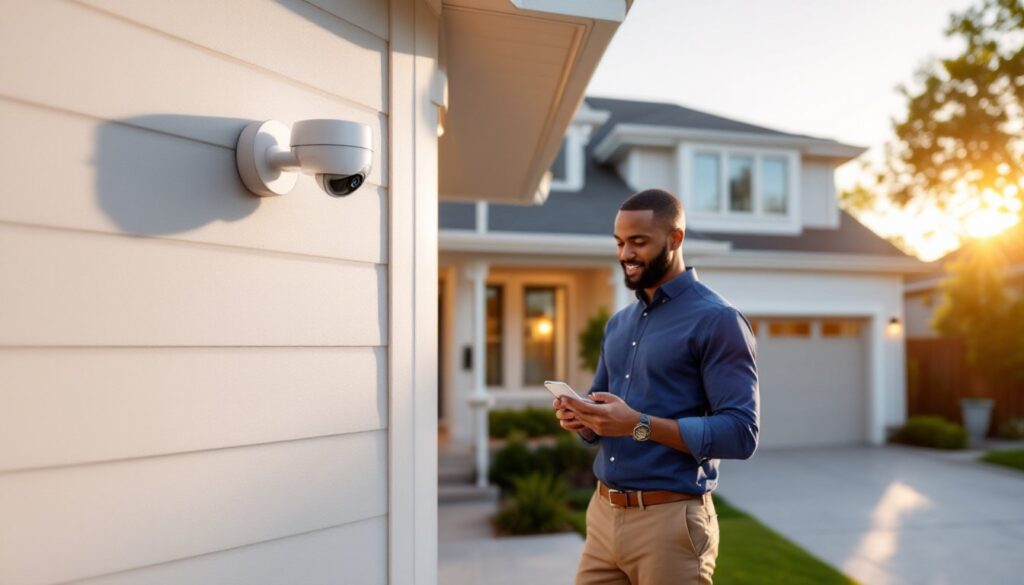
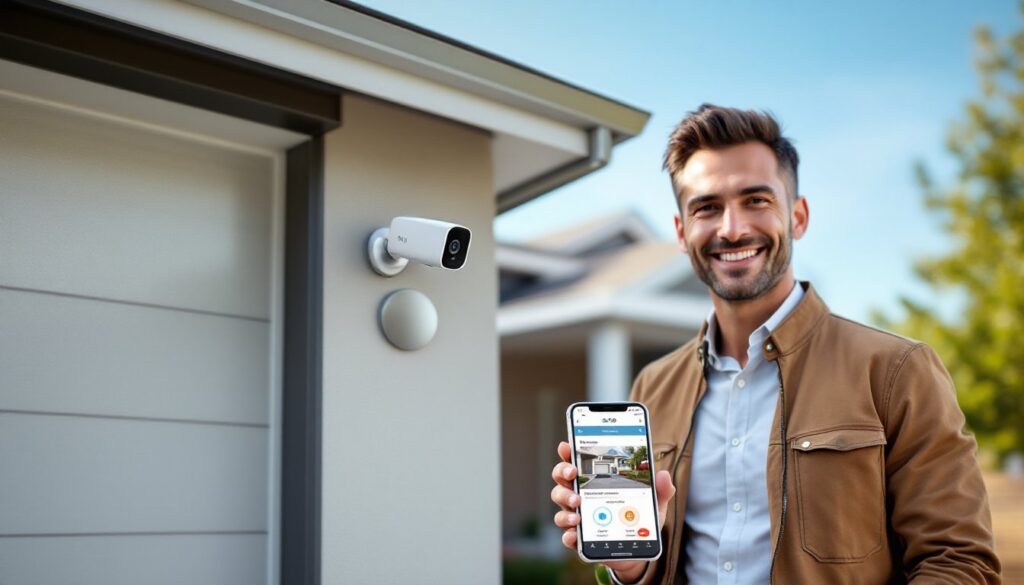
Wireless exterior security cameras have come a long way from the grainy, lag-prone boxes of a decade ago. Today’s models stream crisp 2K footage, run on solar panels, and ping a phone the moment someone steps onto the driveway. For homeowners who want real protection without fishing cable through soffits or hiring an electrician, going wireless is the path of least resistance. This 2026 guide breaks down what actually matters when choosing, installing, and maintaining outdoor cameras, plus the small details most buyers miss until after the box is open.
Table of Contents
ToggleKey Takeaways
- Wireless exterior security cameras now offer 2K resolution, 3–6 month battery life, and solar-powered options, eliminating the need for running cable and hiring electricians.
- Resolution should start at 1080p with ideally 2K (1440p) for exterior use, and color night vision with a built-in spotlight outperforms IR-only models for identifying faces and vehicles.
- A typical home needs 3–4 wireless cameras covering the front door, driveway, backyard, and side approaches, with a complete system costing $300–$800 depending on resolution and brand.
- Mount wireless exterior security cameras at 8–10 feet height with a 15–20° downward tilt, avoiding direct sun and ensuring strong Wi-Fi signal before installation.
- Monthly lens cleaning with a microfiber cloth, automatic firmware updates, and seasonal maintenance (re-aiming, foliage trimming, and battery checks) keep cameras performing reliably year-round.
- Secure your camera system with a strong password, two-factor authentication, and privacy zones to comply with local ordinances and prevent unauthorized network access.
Why Wireless Outdoor Cameras Are Worth the Upgrade
Traditional wired systems mean drilling through siding, pulling low-voltage cable, and sometimes pulling permits if line voltage is involved. Wireless setups skip almost all of that. Most modern cameras connect over 2.4 GHz Wi-Fi, mount with four screws and a wall anchor, and sync to a hub or phone app in under 20 minutes.
The other big win is flexibility. A camera can be moved from the back fence to the side gate without patching holes. For renters, that’s huge. For homeowners, it means coverage gaps can be closed as needs change, whether that’s a new package-drop zone or a teenager’s late-night arrivals.
Reliability has caught up, too. Battery life on flagship models now stretches 3–6 months per charge under typical use, and solar add-ons can make them effectively maintenance-free.
Key Features to Look for Before You Buy
Not every spec sheet number matters equally. Before comparing prices, homeowners should focus on a handful of features that actually affect day-to-day performance. A good buyer’s guide to wireless battery cameras covers the trade-offs in depth, but the basics come down to image quality, power, and connectivity.
Video Quality, Night Vision, and Field of View
Resolution should start at 1080p and ideally hit 2K (1440p) for exterior use, since digital zoom eats pixels fast when identifying a face or license plate. Field of view in the 130–160° range covers a typical driveway without too much fisheye distortion.
For night vision, color night vision (using a built-in spotlight) is genuinely useful for identifying clothing and vehicles, while standard infrared maxes out around 25–30 feet in pitch dark. Editors at major tech review sites consistently note that spotlight-equipped cameras outperform IR-only models for deterrence.
Power Options: Battery, Solar, and Plug-In
Three options, three trade-offs:
- Battery-only: Easiest install, but expect to recharge every few months. Great for wire-free home protection on rentals or temporary setups.
- Solar-assisted: A small 4–6W panel typically keeps a camera topped off year-round in sunny climates. Less reliable in the Pacific Northwest in winter.
- Plug-in (low-voltage USB or 24V): Most reliable, but requires an exterior outlet or a drilled pass-through to indoor power.
For properties with detached garages or fence-line coverage, solar powered options usually win on convenience.
How to Choose the Right Camera for Your Property
Start with a sketch. A simple top-down drawing of the house, driveway, gates, and outbuildings makes it obvious where coverage gaps sit. Most homes need 3–4 cameras: front door, driveway or garage, back yard, and one side approach.
Next, match the camera to the job:
- Front door / package zone: A doorbell cam or compact 2K camera with person detection.
- Driveway: Wider field of view, spotlight, and ideally license-plate-capable zoom.
- Backyard: Weather-sealed (IP65 or better), with motion zones to avoid trees triggering alerts.
Ecosystem matters more than people expect. Mixing brands means juggling apps. Homeowners already in the Amazon ecosystem often gravitate to a Blink whole-home bundle, while those wanting premium hardware lean toward an Arlo wireless setup. Budget-focused buyers can get surprisingly capable hardware from a Tapo smart camera lineup without committing to a monthly cloud fee.
A quick reality check on cost: a solid four-camera wireless system runs $300–$800 depending on resolution, brand, and whether local storage is included. Cloud subscriptions add $3–$15 per camera per month if recorded clips are needed beyond live view.
DIY Installation Tips for the Best Coverage
Wireless doesn’t mean thoughtless. Placement makes the difference between a camera that catches faces and one that records the top of a hood.
- Mount height: 8–10 feet. High enough to discourage tampering, low enough to capture facial features. Tilt down roughly 15–20°.
- Avoid direct sun and backlighting. A camera aimed west into a sunset will blow out highlights every evening. North-facing mounts are usually safest.
- Pre-drill into studs or solid trim. For brick or stucco, use a masonry bit and plastic anchors rated for exterior use. Stainless screws prevent rust streaks down the siding.
- Check Wi-Fi signal at the mount point before drilling. Walk the spot with a phone: if signal dips below two bars, plan for a mesh node or outdoor extender.
- Test motion zones from the app. Walk the property and adjust sensitivity until the camera ignores the neighbor’s cat but catches a person at the gate.
Wear safety glasses and work gloves when drilling overhead, and use a stable ladder, not a step stool, for any mount above 6 feet. Tom’s Guide has a useful breakdown of outdoor camera installation considerations worth skimming before the first hole gets drilled.
One note on code: low-voltage camera wiring generally doesn’t require a permit, but anything tapping into 120V circuits does, per the NEC. Local jurisdictions vary, so a quick call to the building department settles it.
Maintaining Performance and Privacy Year-Round
Even the best home security camera needs occasional attention. Spider webs, pollen, and hard-water spray from sprinklers all dull the lens. A monthly wipe with a microfiber cloth and a touch of isopropyl alcohol keeps footage sharp.
Firmware updates matter more than most owners realize. Manufacturers patch vulnerabilities regularly, and an outdated camera is an open door on the network. Most apps allow auto-updates: turning that on is a five-second job. Coverage from outlets like smart home tech reviewers routinely highlights the gap between updated and neglected devices.
A few seasonal habits worth adopting:
- Spring: Re-aim cameras after winter wind, check seals and gaskets.
- Summer: Trim foliage that’s grown into the field of view.
- Fall: Clear cobwebs and recharge batteries before cold weather cuts capacity.
- Winter: Lithium batteries lose 20–30% runtime below freezing: solar panels need snow brushed off.
Privacy deserves the same diligence. Cameras should point at the owner’s property, not a neighbor’s window or a public sidewalk where local ordinances may restrict recording. Most apps support privacy zones, blacked-out regions that the camera ignores entirely. For homeowners comparing models on price alone, a budget-friendly camera lineup can still hit the essentials, including privacy zones and two-factor authentication.
Finally, secure the account itself. A strong password and 2FA are non-negotiable. A premium camera streaming behind a weak password is a liability, not a deterrent.