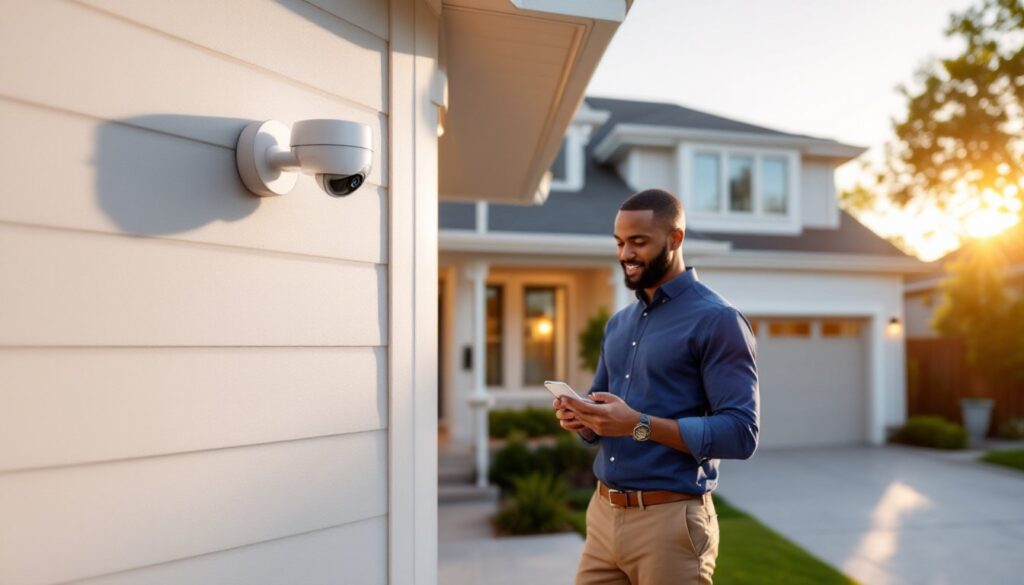
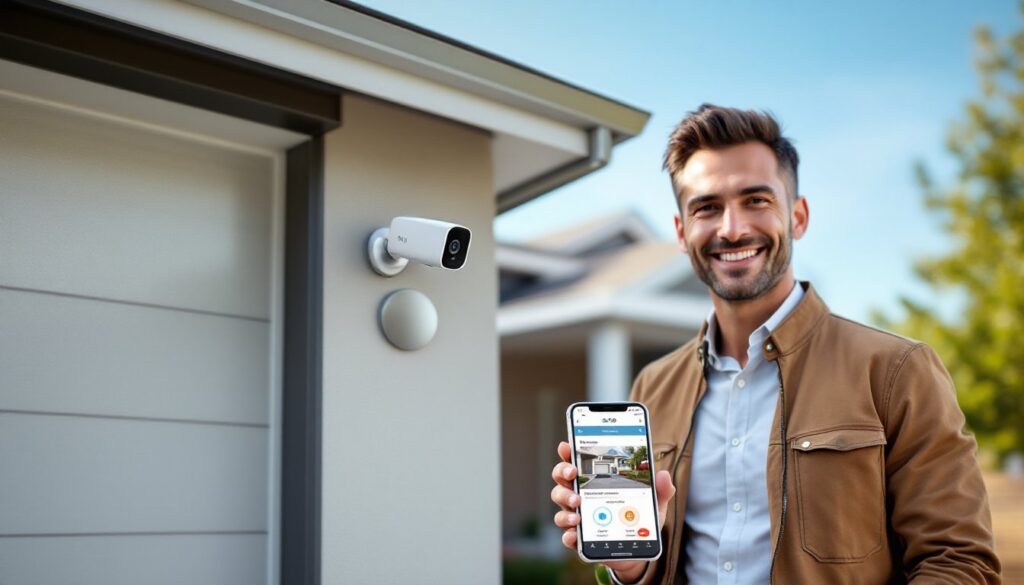
If you’re thinking about upgrading your home security but don’t want to deal with monthly monitoring fees or complicated wiring, Arlo home security systems are worth a closer look. Unlike traditional setups that require professional installation and long-term contracts, Arlo wireless cameras let you take control of your own surveillance, no electrician needed. Whether you’re protecting a single entry point or covering your entire property, these systems are built for homeowners who want straightforward protection without the hassle. This guide walks you through what makes Arlo stand out, how to install it properly, and whether it’s the right fit for your home.
Table of Contents
ToggleKey Takeaways
- Arlo home security eliminates monthly monitoring fees and professional installation costs, offering a DIY wireless alternative that requires only mounting brackets and battery charging—ideal for budget-conscious homeowners and renters.
- Arlo cameras provide 7–30 days of free cloud storage for motion-triggered footage and integrate seamlessly with Amazon Alexa, Google Home, and Apple HomeKit without locking you into a single ecosystem.
- Proper installation requires choosing locations with strong Wi-Fi signal, clear sightlines away from direct sunlight, and slight downward camera angles (10–15 degrees) to effectively capture faces and activity.
- Motion and sound detection can be customized through the app with adjustable sensitivity levels and activity zones to reduce false alerts from minor movement or neighboring activity.
- Over five years, Arlo’s total cost ($200–$600 upfront plus optional $0–$40 yearly) significantly undercuts traditional security systems ($1,500–$3,000 installed plus $300–$1,200 in annual monitoring fees), though manual monitoring remains your responsibility.
What Makes Arlo Stand Out in the Smart Security Market
Arlo has earned its reputation for a simple reason: it removes the friction from home security. Unlike hardwired systems that demand wall routing, voltage drops, and permits, Arlo relies on wireless connectivity. Your cameras talk to a hub or connect directly to your Wi-Fi, meaning installation is a matter of mounting brackets and charging batteries, not cutting into drywall or burying cables through walls.
The wireless design also means flexibility. If you want to reposition a camera for better angle coverage, you’re not rerouting cables: you’re just moving the mount. For renters or homeowners hesitant about permanent installations, that’s a game-changer.
Cloud storage is another Arlo strength. Most systems include free cloud recording (typically 7–30 days depending on the model), so you’re not paying a monthly surveillance fee just to access your own footage. When you compare that to traditional alarm companies charging $25–$60 monthly, the long-term savings add up fast. The mobile app gives you real-time alerts and live feeds from anywhere, letting you check on deliveries, pets, or unexpected activity without being home.
Arlo cameras also play well with other smart home ecosystems, think Amazon Alexa, Google Home, and Apple HomeKit. If you’re already invested in voice assistants or smart hubs, Arlo integrates naturally rather than forcing you to adopt an entirely new platform. That ecosystem compatibility reduces the tech headache for most DIYers.
Setting Up Your Arlo System: A Step-by-Step Installation Guide
Choosing the Right Arlo Cameras for Your Home
Before you plug in a single camera, match your setup to your home’s layout. Are you covering a front porch, garage, backyard, or all three? Arlo offers several models, the Essential line for basic monitoring, Pro and Pro 4K for higher resolution, and Ultra for premium features like color night vision. For most homes, Essential or Pro cameras handle standard monitoring (doors, driveways, yards). Upgrade to Pro 4K only if you need to identify fine details like license plates or faces from distance.
Check your Wi-Fi signal strength where you plan to mount cameras. Arlo wireless cameras need a solid connection: a camera in your garage that’s 40 feet and two walls away from your router will struggle. If you’re covering a dead zone, you’ll either need to improve your Wi-Fi mesh (invest in an extender or mesh system) or choose a model with lower bandwidth needs.
Here’s what you’ll need for installation:
• Arlo camera kit (includes hub and 1–4 cameras depending on bundle)
• Weatherproof mounting brackets (included: most use standard screw-in mounts)
• 3/8-inch lag bolts or screws (into wood, siding, or trim)
• Power drill or impact driver (for bracket installation)
• Stud finder (optional but helpful for reliable anchor points)
• Level (a 12-inch level ensures cameras point where you intend)
• Rechargeable AA batteries (Arlo cameras run on these: buy extras)
Installation itself is straightforward but requires patience:
- Choose mounting locations that give wide sightlines and avoid direct sunlight (glare kills video quality).
- Drill pilot holes and install mounting brackets using corrosion-resistant fasteners (stainless steel or coated hardware resists rust and weather damage).
- Use your level to ensure cameras point slightly downward, about 10–15 degrees, to catch faces rather than just the sky.
- Charge all camera batteries fully before mounting (this takes 2–4 hours depending on model).
- Install batteries into cameras, attach cameras to brackets, then follow the app prompts to connect each camera to your hub or Wi-Fi network.
- Test each feed and adjust angles as needed before finalizing.
One honest point: the first connection can be finicky. Some users report needing to reset the hub or reinstall the app if a camera won’t pair. This is usually a Wi-Fi interference issue, not a hardware failure. Move the hub away from other routers or cordless phones temporarily, then retry pairing.
Key Features and How to Use Them Effectively
Smart Alerts, Cloud Storage, and Mobile App Integration
Arlo’s real power lies in its smart detection and notification system. Unlike older cameras that record everything 24/7, Arlo uses motion and sound detection to trigger alerts only when something happens. That means less unnecessary footage clogging your storage and more focused monitoring.
Motion detection can be tuned. The app lets you set sensitivity levels, high sensitivity catches every leaf and passing car, while moderate settings ignore minor activity and focus on person-sized objects. For most homes, set detection to medium and use activity zones (digital rectangles you draw in the app) to monitor just your porch or driveway rather than the entire street. That cuts down false alerts from neighboring activity.
Arlo’s cloud storage is generous. Free plans typically hold 7–30 days of motion-triggered videos depending on your camera model. If you want longer retention or 24/7 continuous recording, subscription plans exist ($2.99–$9.99 per month for unlimited cloud storage). For most DIYers, the free tier covers emergencies and package thefts: continuous recording isn’t necessary unless you’re running a business or have serious security concerns.
The mobile app is where Arlo shines. You get live feeds, two-way talk (speak to people at your door or driveway), and instant clips of motion events. Sharing access with family members is built in, your spouse or adult kids can arm/disarm modes and watch feeds without managing your account. Notifications can be customized per camera: get alerts from the front door but not the backyard, or turn off notifications at night if you prefer silence.
One feature worth exploring is geofencing. Enable it, and Arlo knows when you leave home and when you return, automatically arming the system as you depart and relaxing settings when you’re back. It’s not foolproof (sometimes your phone lingers on a Wi-Fi signal longer than your actual departure), but it removes the step of manually arming every time.
Arlo vs. Other Home Security Options: What You Need to Know
Arlo isn’t the only player in the wireless home security camera market. When evaluating whether it’s right for you, consider how it stacks against alternatives.
Hardwired Systems (like DSC or professional ADT setups): These require running electrical cable through walls, navigating building codes, and often hiring licensed installers. The upside is rock-solid reliability and 24/7 professional monitoring. The downside is cost, installation plus monthly fees easily hit $50–$100+ per month. For a DIYer, this is overkill unless you want professional alarm response or live in a high-risk area.
Ring and Logitech offer similar wireless, cloud-based approaches to Arlo. Ring excels if you’re already in the Amazon ecosystem and want deep Alexa integration. Logitech (Circle) competes on price but has fewer features. Arlo’s strength is that it works equally well with Amazon, Google, and Apple platforms, you’re not locked into one ecosystem. Arlo wireless security cameras also tend to offer longer battery life and better night vision than budget competitors.
Professional monitoring alternatives: If you want continuous remote monitoring without doing it yourself, companies like DSC provide managed systems. DSC home security includes professional monitoring and dispatch, but you’ll pay for that convenience. Arlo is DIY and manual, you watch the app and decide whether to call police.
For most homeowners, the Arlo trade-off is favorable: lower upfront cost, no contracts, full control, and no monthly fees (unless you choose subscription features). The catch is you’re responsible for monitoring and responding. If a delivery driver steals a package, you’ll see it on video, but Arlo won’t call the police for you, that’s your job.
When comparing security camera systems, factor in total cost over five years: Arlo typically runs $200–$600 upfront for a multi-camera kit, then $0–$40/year if you opt for cloud storage. Traditional systems cost $1,500–$3,000 installed, plus $300–$1,200 annually in monitoring fees. The math strongly favors Arlo for budget-conscious DIYers.
Conclusion
Arlo home security systems offer homeowners a practical, affordable path to smarter surveillance without wiring hassles, permits, or monthly monitoring contracts. They’re wireless, app-controlled, and flexible enough to grow as your security needs evolve. Installation is genuinely DIY-friendly, drill some holes, charge batteries, and connect via the app. For renters, budget-conscious owners, or anyone tired of traditional alarm company overhead, Arlo delivers straightforward protection that works. Set realistic expectations about monitoring (you’re responsible, not a dispatch center), choose camera locations with good Wi-Fi coverage and clear sightlines, and you’ll have a reliable system that earns its keep.