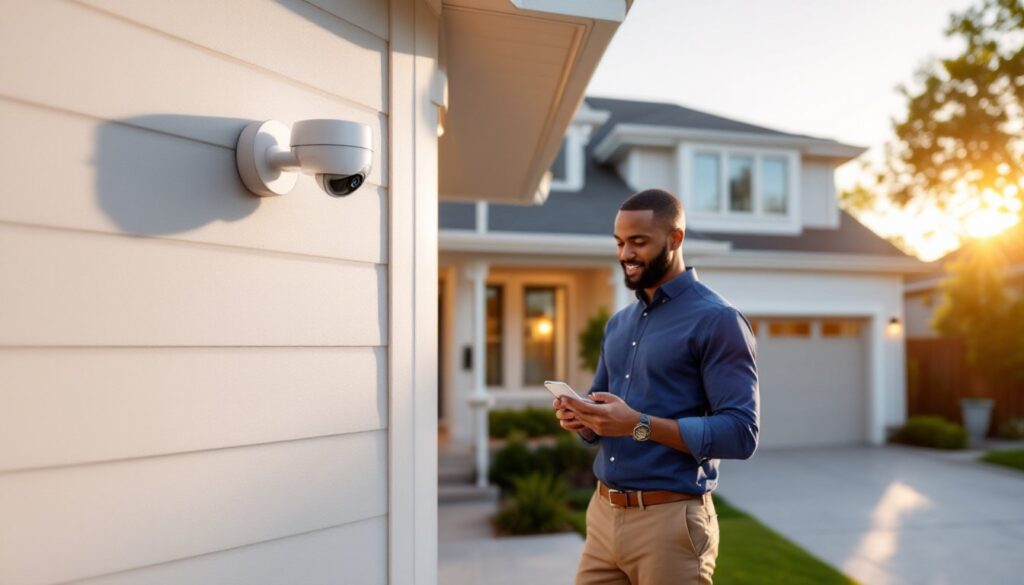
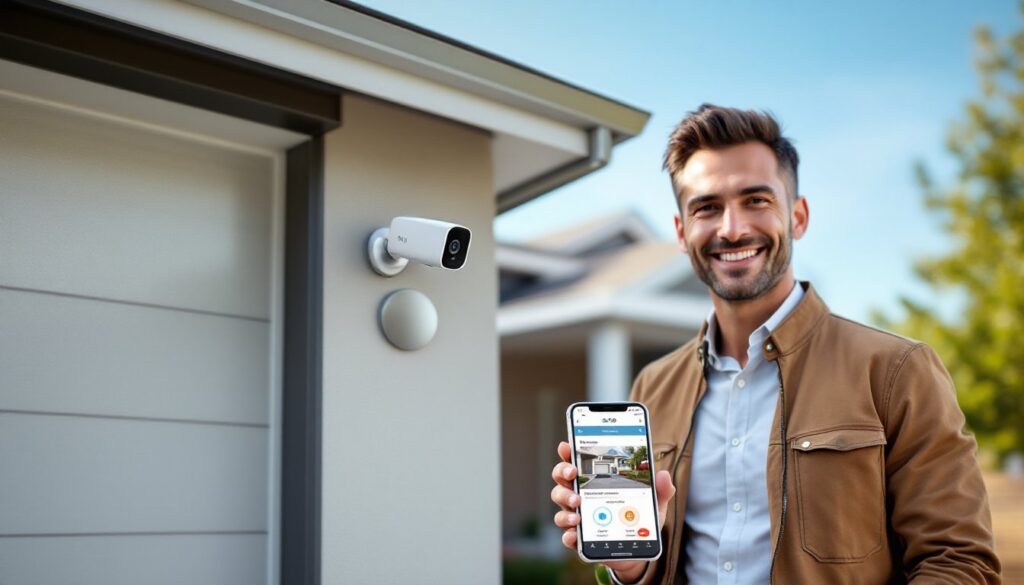
Monthly fees add up fast, $20 to $60 per month translates to $240 to $720 a year just to access your own security footage. No-subscription home security systems eliminate that recurring cost while giving you full control over storage, alerts, and monitoring. You’ll pay upfront for hardware, but there’s no contract locking you in or threatening to cut service if you miss a payment. These DIY systems have evolved significantly: many now include local video storage, smartphone alerts, and integration with smart home ecosystems, all without a monthly bill.
Table of Contents
ToggleKey Takeaways
- A home security system without monthly fees eliminates $240–$720 annually in recurring costs while maintaining full control over your footage and alerts through local storage or personal cloud accounts.
- Top no-monthly-fee options include Ring Alarm Pro for integrated Wi-Fi and smart home control, SimpliSafe for customizable sensor flexibility, and eufy Security as the most budget-friendly choice starting at $150–$250.
- Local storage capabilities, cellular backup during internet outages, and smart home integration are essential features to prioritize in a subscription-free security system.
- DIY installation typically takes 30 minutes to an hour and requires strategic sensor placement at entry points, motion detection areas, and a central base station location with power access.
- While these systems eliminate monitoring fees, professional monitoring and AI-powered features like person detection often require optional paid add-ons, so verify feature availability before purchase.
- Visible cameras and alarm signage alone deter most burglars, making a no-subscription system effective even without active professional monitoring services.
Why Choose a No-Monthly-Fee Security System?
The appeal goes beyond saving money. No-subscription systems offer true ownership: your footage stays on local storage or personal cloud accounts, not on a third-party server you’ll lose access to the moment your credit card expires.
You avoid vendor lock-in. If a company raises prices, changes terms, or discontinues service, your hardware doesn’t become a paperweight. Many systems work offline or store video locally on microSD cards or base station hard drives, so internet outages won’t disable recording.
That said, these systems do have trade-offs. You won’t get 24/7 professional monitoring calling the police on your behalf, though some offer it as an optional paid add-on. AI-powered features like person detection or package recognition often require subscriptions, even on “no-fee” systems. And if you want cloud backup for redundancy, expect to pay separately.
But for DIYers comfortable managing their own security and checking alerts manually, the savings and autonomy are substantial. Studies show that visible cameras and alarm signage alone deter most burglars, regardless of whether a monitoring service is active.
Top Home Security Systems Without Monthly Fees
Ring Alarm Pro: Best Overall for DIY Installation
Ring Alarm Pro (second-gen) bundles a security system with an eero Wi-Fi 6 router, creating a unified hub for both home security and mesh networking. The base kit includes a keypad, contact sensors, motion detector, and range extender.
The system works without a subscription: you’ll get real-time alerts, manual arming/disarming via the app, and smart home integration with Alexa. But, Ring Protect Pro ($20/month or $200/year) unlocks 24/7 professional monitoring, video recording for Ring cameras, and cellular backup if your internet drops.
Without the subscription, Ring cameras won’t save footage, they only offer live view. That’s a significant limitation if you want evidence after an incident. But the alarm sensors themselves function fully, and you can integrate cameras with local storage from other brands.
Installation is straightforward: peel-and-stick sensors, plug in the base station, and follow the app prompts. The system supports Z-Wave accessories, so you can add third-party sensors, locks, or lighting controls. Requires a standard 120V outlet and Wi-Fi connection.
Typical kit cost: $300–$400 for a 5-piece starter system. Add $30–$50 per additional sensor or $60–$100 per extra keypad.
SimpliSafe: Most Customizable System
SimpliSafe offers one of the most flexible no-contract setups. You can build a custom kit with exactly the sensors you need: entry sensors, motion detectors, glass-break sensors, water leak detectors, smoke alarms, panic buttons, and even a SimpliCam indoor camera.
The base station includes a 95dB siren and cellular backup built-in (no subscription required for the backup connection, though monitoring does require a plan). Without a monitoring plan, you’ll receive app alerts when sensors trigger, and you can arm or disarm remotely.
Simplisafe’s Fast Protect plan ($29.99/month) adds professional monitoring, but it’s entirely optional. The system is designed to be fully functional in self-monitoring mode. The SimpliCam does not require a subscription for live streaming, though cloud storage and smart alerts do.
Installation takes about 30 minutes for a typical 8-piece system. Sensors use 3M adhesive strips (no screws required), and the base plugs into a standard outlet with battery backup. The system communicates via proprietary RF, not Wi-Fi, so sensor battery life is excellent, 3 to 5 years on a single CR2032 or AA battery.
Typical kit cost: $200–$500 depending on the number of sensors. Individual components range from $15 (entry sensor) to $100 (video doorbell).
eufy Security: Best Budget-Friendly Option
The eufy Security system (5-piece kit) is among the cheapest no-subscription options that doesn’t feel cheap. The HomeBase 2 hub includes 16GB of local storage for video from eufy cameras, no cloud fees, ever.
The kit includes entry sensors, motion sensors, a keypad, and the hub. Setup is plug-and-play: connect the hub via Ethernet or Wi-Fi, pair sensors through the app, and mount components with adhesive or screws (hardware included).
eufy’s cameras and video doorbells integrate seamlessly and store footage locally. The system supports home automation routines through Apple HomeKit, Google Assistant, and Alexa. Advanced AI features like facial recognition and pet detection are available without extra fees, uncommon in this price range.
Limitations: The siren is quieter than Ring or SimpliSafe at around 85dB. There’s no professional monitoring option at all, so this is strictly for self-monitoring. And the proprietary system doesn’t integrate with third-party Z-Wave or Zigbee devices.
Typical kit cost: $150–$250 for a starter system. Additional sensors cost $25–$40 each. eufy cameras with the HomeBase 2 run $100–$250 depending on resolution and features.
Key Features to Look for in a No-Subscription System
Local storage is critical. Look for systems with microSD slots, built-in hard drives (16GB minimum), or NAS (network-attached storage) compatibility. Cloud storage usually requires a subscription: avoid systems that are cloud-only.
Cellular backup matters if you want the system to alert you during internet or power outages. Ring Alarm Pro and SimpliSafe include this, but it often requires a paid plan to activate. Battery backup for the base station is standard on most systems and keeps sensors active for 4–24 hours.
Smart home integration expands functionality. Systems that work with Alexa, Google Assistant, HomeKit, or IFTTT let you create automation rules, like turning on exterior security lighting when motion is detected or locking smart locks when the system arms.
Sensor variety affects how well the system fits your home. Entry and motion sensors are standard, but consider:
- Glass-break sensors for windows far from doors
- Flood sensors for basements or near water heaters
- Smoke and CO detectors if your existing alarms are outdated
- Outdoor motion sensors with weatherproof ratings (IP65 or higher)
App quality and notifications vary widely. Test the app’s responsiveness during initial setup. Look for customizable alert settings, you don’t want your phone buzzing every time the cat walks past a motion sensor. Geofencing, which auto-arms when you leave home, is a useful bonus.
Expandability ensures the system grows with your needs. Check the hub’s maximum device limit (typically 50–100 sensors) and whether it supports third-party accessories. Systems locked into proprietary ecosystems can get expensive fast if you need specialized sensors.
How to Install Your DIY Security System
Start with a walkthrough of your home. Identify all entry points, doors, ground-floor windows, basement access, and garage entries. Note spots with blind corners or valuable items (home office, master bedroom, detached workshop).
Plan sensor placement before opening boxes:
- Entry sensors go on every exterior door and accessible window. Mount the magnet on the moving part (door or window), sensor on the frame. Maximum gap when closed: ½ inch for most sensors.
- Motion detectors work best in corners with a clear view of entry paths. Mount 6–7 feet high, angled slightly downward. Avoid aiming directly at windows (sunlight triggers false alarms) or HVAC vents (heat fluctuations do the same).
- Keypads should be near primary entry doors, but not visible from outside through windows, you don’t want someone watching you punch in your code.
- The base station needs a central location with strong Wi-Fi signal (if applicable) and access to a power outlet. Keep it out of sight from windows: it’s the brain of the system.
Installation steps (typical for most systems):
- Charge and power on the base station. Connect to Wi-Fi or Ethernet following manufacturer instructions. Many systems require creating an account in the app first.
- Pair sensors one at a time. Most use a simple button-press pairing mode. Label sensors in the app as you go (“Front Door,” “Master Bedroom Window”).
- Mount sensors. Use the included adhesive for drywall or painted wood. For brick, stucco, or high-traffic doors, use screws and anchors (usually provided). Wipe surfaces with rubbing alcohol before applying adhesive.
- Test each sensor. Open and close doors/windows, walk in front of motion detectors, and confirm the app registers each event. Adjust motion detector angles if you get false positives.
- Set up automation and notifications. Configure entry/exit delays (typically 30–60 seconds), alert preferences, and any smart home integrations.
- Place the yard sign and window stickers. Visible deterrents work. Even if subscription-based systems aren’t active, signage makes burglars think twice.
Common installation mistakes:
- Placing motion sensors where pets can trigger them. Most sensors have pet-immunity settings for animals under 40 pounds: enable this in the app.
- Forgetting to test sensors after battery changes. Low batteries often fail silently.
- Skipping the backup battery or cellular backup test. Unplug the base station to confirm it stays online.
- Over-relying on wireless range. Thick walls, metal siding, or large homes may need a range extender or repeater. Test signal strength in the app before finalizing sensor placement.
Maintenance is minimal but essential. Replace sensor batteries every 1–3 years (the app will alert you). Wipe camera lenses monthly. Test the siren quarterly. Update firmware when prompted, security patches matter.
If you’re integrating with existing smart home gear or have a complex property layout, sketch a simple floor plan marking sensor locations. It’ll save confusion when troubleshooting later or when explaining the system to family members.
For homes with extensive square footage or outbuildings, consider pairing your DIY security system with professional consultation on proper security system design to ensure full coverage without dead zones.