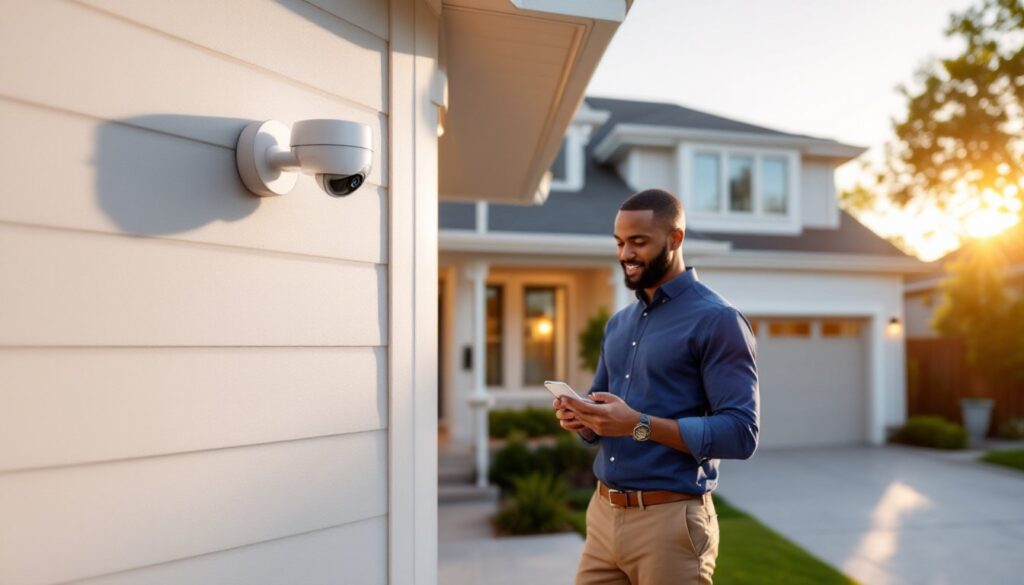
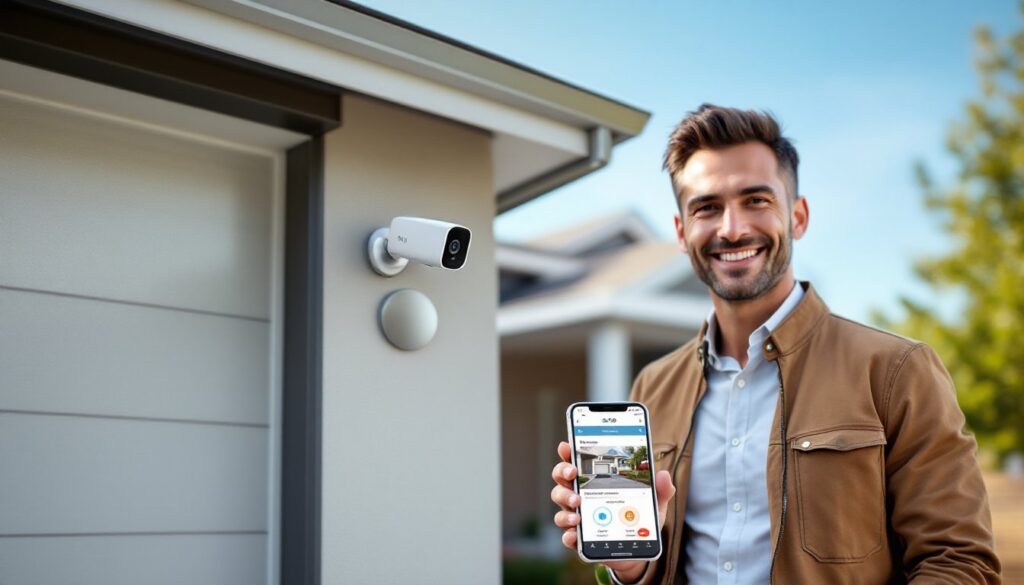
A visible camera at the front door does more than record footage, it fundamentally changes how a homeowner approaches security. Modern home camera systems blend practical protection with remote monitoring, turning a smartphone into a command center for property surveillance. Whether you’re adding a single doorbell camera or outfitting your entire property with a multi-camera home security setup, understanding your options, placement strategy, and installation approach can mean the difference between a system that actually gets used and one that collects dust. This guide walks you through the essentials for choosing and installing a home camera system that fits your needs, your home’s layout, and your comfort level with DIY setup.
Table of Contents
ToggleKey Takeaways
- Visible home camera systems reduce burglary risk by up to 300% and provide high-resolution evidence for insurance claims and police investigations.
- Choose between wired systems for maximum stability and multi-camera setups, or wireless systems for flexibility and quick installation, based on your Wi-Fi strength and coverage needs.
- Prioritize camera placement at all entry points and driveways, mounting units 8–10 feet high to capture faces effectively and deter tampering.
- Essential features for a home camera system include 1080p minimum resolution, motion detection zones, two-way audio, night vision, and encrypted storage to prevent alert fatigue.
- Secure your installation immediately by changing default passwords, enabling two-factor authentication, and applying firmware updates before considering setup complete.
- Start with a single doorbell camera or small wireless setup to test your system, then expand gradually rather than overwhelming yourself with multiple cameras and false alerts.
Why Homeowners Are Upgrading To Modern Camera Systems
The shift toward home camera systems isn’t driven by paranoia, it’s driven by measurable results. Homes equipped with visible cameras are up to 300% less likely to be burglarized, according to crime deterrence research. Beyond prevention, modern systems provide clear, high-resolution video evidence that helps police investigations and streamlines insurance claims. But today’s motivation goes deeper than security alone.
Remote monitoring changed everything. A wireless security camera or hardwired system with cloud connectivity means checking your front door from a work parking lot or while on vacation. Motion alerts arrive on your phone in seconds. AI-based features detect whether motion is a person, a package, or just wind rustling the bushes, cutting through false alarms that once made cameras feel more annoying than protective. This combination of real-time visibility and intelligent filtering transformed cameras from a “nice to have” into an essential layer of modern home management.
The market agrees. The smart home security camera industry is projected to grow from roughly $11.77 billion in 2025 to $56.47 billion by 2033, a compound annual growth rate of approximately 22.1%. That explosive expansion reflects not hype, but genuine adoption among homeowners who’ve experienced the peace of mind a functioning system delivers.
Types Of Home Camera Systems And How To Choose One
Before picking hardware, map your needs. Every home has different coverage priorities. A townhouse with a single main entrance needs a different approach than a suburban property with a long driveway and multiple blind spots. First, identify what you’re protecting: all exterior entry points, driveway approaches, high-value items inside, or a combination.
Camera types break down into clear categories. Indoor cameras suit hallways and living areas where package theft or internal monitoring matters. Outdoor/weatherproof cameras handle driveways, decks, and side yards, they’ll survive rain and temperature swings. Doorbell cameras consolidate entrance monitoring into one smart device. Floodlight cameras combine illumination with recording, useful where ambient light is weak. PTZ (pan-tilt-zoom) cameras let you remotely adjust the viewing angle, ideal for large properties or monitoring multiple zones with fewer units. NVR/DVR-based systems are multi-camera kits with a central recording hub, offering the most professional setup and typically the best reliability for four or more cameras.
Choosing the right type depends on three factors: coverage area requirements, storage preferences (local recording vs. cloud), and smart home compatibility. A renter might prefer a self-contained wireless camera system that leaves no permanent holes. A homeowner with deep eaves and outdoor wiring might embrace a hardwired multi-camera setup with wired home security systems for maximum stability. Both approaches work, the best choice matches your situation.
Wired vs. Wireless Systems: What’s Best For Your Home
Wired systems run power and data cables to each camera, usually converging at an NVR (network video recorder). The upside: extremely stable connections, no battery replacements, and the ability to run many cameras without straining your Wi-Fi. The downside: installation demands drilling, conduit routing, and ideally some comfort with low-voltage wiring. Once installed, a wired system runs for years without thinking.
Wireless systems connect via Wi-Fi, powered either by batteries or a nearby outlet. Setup is faster, mount the camera, connect to your app, done. Placement is flexible. They suit renters and quick installations. The trade-off: Wi-Fi quality becomes critical, batteries need seasonal replacement, and interference can disrupt service. A home with spotty Wi-Fi in the backyard may struggle with a wireless system placed far from the router.
Neither is universally “best.” A single doorbell camera on a strong Wi-Fi signal works beautifully as wireless. A four-camera property security system often thrives as wired. Many homeowners run a hybrid: a wireless security camera at the front door for easy updates and a hardwired pair at less-convenient locations.
Essential Features To Look For In A Home Camera System
Resolution matters first. 1080p (Full HD) is the bare minimum for readable facial detail. 2K or 4K cameras capture significantly sharper images, useful if you care about license plate legibility or detailed evidence. Night vision or color night vision lets you see after dark, color night vision costs more but reveals detail monochrome can’t match.
Motion detection with adjustable zones prevents alert fatigue. Without zones, every passing car triggers a notification. With zones, you ignore the street and focus on your porch. Two-way audio lets you speak through the camera (“package on the porch, thanks.”) or hear sounds around the camera in real time.
For outdoor units, IP rating indicates weather resistance. IP65 or higher handles rain and dust: IP67 survives temporary submersion. Indoors, this matters less, but outdoor cameras without proper ratings fail in one season.
Storage security is overlooked until it matters. Eufy security cameras and similar brands emphasize encrypted local storage, video stays on the camera or a local hub, never sent to the cloud. This avoids monthly fees and privacy concerns. If you prefer cloud backup, ensure the provider encrypts data and allows two-factor authentication. Strong passwords and regular firmware updates are non-negotiable.
Planning Your Camera Placement For Maximum Coverage
Placement determines whether your system earns its weight or becomes expensive decoration. Start with entry points: all exterior doors, first-floor windows, and garage entries should be visible. A camera pointed at a locked back gate is less useful than one covering the sliding glass door where people actually stand.
Driveways and walkways are second priority. The approach to your front door, the driveway where packages are left, and any side yards accessible from the street deserve coverage. Mount cameras 8–10 feet high, angled slightly downward toward common walking paths. This height captures faces better than low angles and makes the unit harder to tamper with.
Indoors, cover hallways and rooms holding valuables. A camera in the living room where electronics sit makes sense: a bedroom camera typically doesn’t unless you’re monitoring for safety reasons (elderly parent, young children). Main hallways catch motion and activity.
Responsible placement respects privacy laws. Don’t aim cameras into neighboring properties or windows. Some jurisdictions require disclosure if you record audio. Check your local regulations, they vary widely.
Test Wi-Fi signal strength at each proposed location before final mounting. A great camera in a Wi-Fi dead zone is useless. Walk the perimeter with your phone and check signal bars. If an area is weak, either move the camera closer to the router, add a mesh Wi-Fi node, or go wired.
DIY Installation Tips For First-Time Setup
Before drilling a single hole, map locations on paper and mark them with painter’s tape on your walls and exterior. Take a photo with the tape in place, this prevents the “I drilled in the wrong spot” moment. For wireless cameras, confirm Wi-Fi signal strength at the marked location using a mobile app that shows signal strength in dBm. Anything below –70 dBm at your camera location may cause dropouts.
For hardwired systems, run conduit along edges where possible to avoid fishing cables through walls. Use weatherproof connectors and silicone sealant outside: moisture kills connections faster than any enemy. Indoor runs can use simple J-channel or conduit clipped along baseboards.
Mount cameras using the supplied bracket, ensuring it’s level. A camera tilted 15 degrees won’t frame subjects as intended. Secure cables with clips spaced every 18 inches and avoid sharp bends: kinks trap moisture and damage insulation.
Once mounted, change the default password immediately, this isn’t optional. Enable two-factor authentication and automatic firmware updates. A camera running outdated software is a security liability. Test motion detection, night vision, and video quality before considering the job complete. If live view lags or footage is pixelated, troubleshoot before moving to the next camera.
For outdoor cabling, use UV-resistant sheathing and bury runs 18 inches deep or protect with PVC conduit. Above-ground cables degrade in sunlight and become trip hazards. Respect electrical codes in your jurisdiction, most regions have standards for outdoor low-voltage wiring.
Conclusion
A functional home camera system combines deterrence, documentation, and remote peace of mind. Whether you choose a single wireless security camera or a full hardwired multi-camera setup, the fundamentals remain the same: thoughtful placement, proper mounting, strong security practices, and realistic expectations about what footage actually helps. Modern systems with motion sensor capabilities and AI detection reduce false alarms and deliver actionable alerts. Start small, test your setup thoroughly, and expand as comfort grows. That approach beats installing six cameras and abandoning the system because you’re overwhelmed by false notifications.