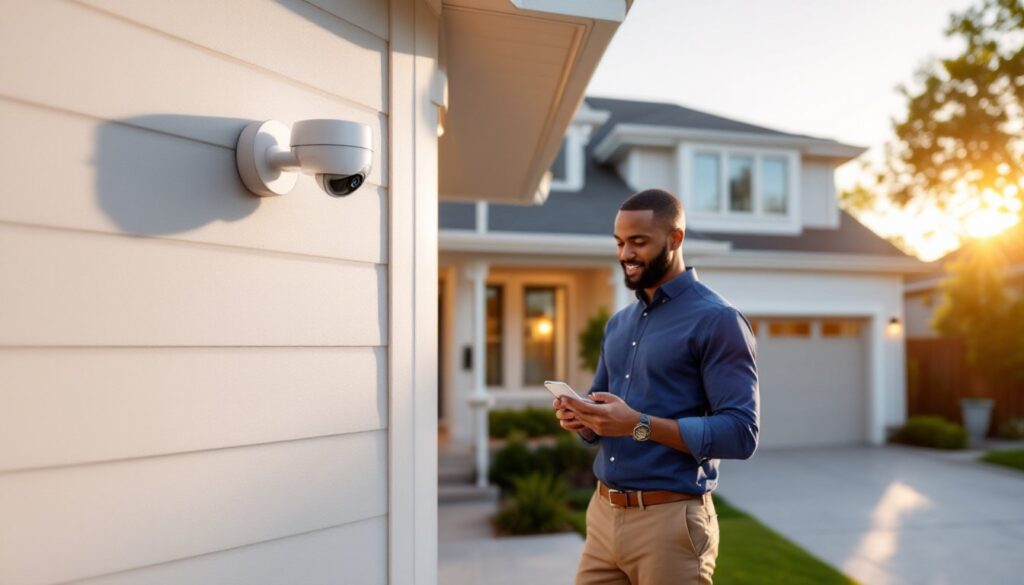
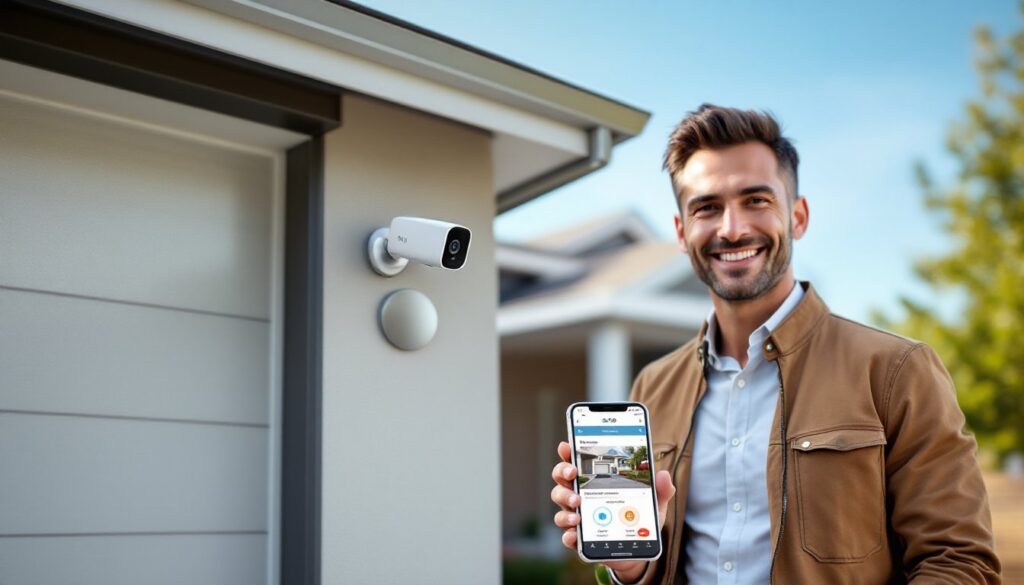
Wireless security cameras have transformed home protection from a complicated wiring project into something almost any homeowner can handle. Gone are the days of drilling through walls, running cable through attics, and dealing with electricians’ bills. Today’s wireless security camera systems offer genuine flexibility, easy installation, and surprisingly robust features. Whether you’re monitoring a front entrance, garage, or backyard, understanding the types available and what features actually matter will help you choose the right setup for your home and budget.
Table of Contents
ToggleKey Takeaways
- Wireless security cameras eliminate complex wiring, making DIY home protection accessible to any homeowner without electrician costs.
- Choose between indoor and outdoor wireless security cameras based on environment—outdoor models require IP65 or IP67 weatherproofing, while indoor options prioritize sharpness and affordability.
- Battery-powered cameras offer maximum flexibility for renters and difficult locations, but plug-in and wired-hybrid options eliminate battery maintenance for continuous operation.
- Prioritize 1080p resolution minimum, color night vision, 110°–160° field of view, and person-detection AI to reduce false alerts and capture usable footage.
- Plan your storage strategy upfront: local microSD cards avoid monthly cloud fees but require manual management, while cloud storage offers convenience at $3–$10 per camera monthly.
- Mount cameras at eye level 7–8 feet high, test Wi-Fi signal strength before installation, secure passwords with two-factor authentication, and start with one or two cameras in high-traffic areas before expanding.
Understanding Wireless Security Cameras: Types and Key Features
Indoor vs. Outdoor Wireless Cameras
Indoor and outdoor wireless cameras aren’t interchangeable, and trying to save money by using an indoor model outside usually ends badly. Outdoor wireless cameras are built tough, sealed against moisture, rain, and temperature swings. They typically have broader viewing angles (100° to 180°) to cover driveways, patios, and side yards. Weatherproofing standards like IP65 or IP67 tell you the camera can handle dust and water spray: anything less and you’re asking for corrosion and failure within a season.
Indoor wireless cameras prioritize different specs. They’re smaller, lighter, and designed for standard room temperatures. They often have sharper night vision for monitoring living spaces and tend to be less expensive. Many homeowners use them in nurseries, living rooms, and basements where weather isn’t a factor. The trade-off: indoor models can’t survive porch moisture or UV exposure.
Battery-Powered, Plug-In, and Wired-Wireless Hybrid Options
The power source you choose affects installation time, convenience, and long-term maintenance. Battery-powered wireless security cameras win on convenience, no outlet hunting, no cords running across walls. They’re perfect for renters, side yards, and anywhere drilling isn’t an option. The catch: you’ll replace or recharge batteries every few months depending on usage, and cold weather can cut battery life significantly.
Plug-in models (AC-powered) eliminate battery swaps but require a nearby outlet or an extension cord you’ll need to manage. Many use a weatherproof outlet adapter and cable concealer to hide wiring, practical but not invisible. Wired-wireless hybrids combine the best of both: hardwired power for continuous operation with wireless connectivity for easy setup. These work well on garage exteriors or porch overhangs where an outlet exists and you don’t mind running a small power cable.
Essential Features to Look for When Choosing a Wireless Security Camera
Resolution and frame rate matter more than marketing claims. Look for at least 1080p (full HD) for front-door and entryway cameras: 2K or 4K gives you sharper facial recognition and detail, but it also eats more storage and bandwidth. Frame rate (fps) of 20 to 30 fps is standard and smooth enough for monitoring. Cheaper models at 15 fps or lower will look jerky during fast motion.
Night vision quality separates average cameras from reliable ones. Infrared (IR) night vision is standard and works well for black-and-white footage, but color night vision cameras use low-light sensors and are emerging as a game-changer, you’ll actually see what package thieves look like at 2 a.m., not just a thermal outline. Expect color night vision on mid-range and premium models.
Field of view (FOV) is practical but often oversold. A 120° to 160° horizontal FOV covers most front doors and entryways. Anything wider can distort edges. For a front porch, 110° to 130° is realistic and useful. Zoom and pan features let you adjust the view digitally: optical zoom on higher-end models preserves detail better than digital zoom.
Wi-Fi connectivity is the backbone here. Make sure the camera supports your network band (2.4GHz is more reliable at distance: 5GHz is faster but shorter range). Two-way audio lets you talk through the camera, useful for delivery drivers and deterring motion-activated alerts. Mic quality varies wildly: cheapest models sound like a tin can.
Installation and Setup: Making the Process Simple
Physical installation is almost embarrassingly straightforward. Mount the camera at eye level or slightly higher for entry points, typically 7 to 8 feet up on a porch post or soffit. Use the included bracket and appropriate fasteners for your surface (concrete anchors for brick, studs for wood siding, adhesive strips for temporary placements). Check the viewing angle before tightening: pivot and test the image on your phone before you commit to mounting.
For wireless security camera placement, avoid direct sunlight glare into the lens, which causes washed-out daytime footage. Don’t point directly at a bright light fixture at night. Position cameras where they can see approach paths (driveway, front path, back gate) without obstruction from bushes or eaves. If you’re monitoring a garage or workshop, make sure your Wi-Fi signal reaches the mounting location, test with your phone first.
Once mounted, connecting to Wi-Fi takes minutes. Download the manufacturer’s app, scan the QR code on the camera, select your network, and wait for the connection handshake. If the camera struggles to connect, move closer with your phone to confirm signal strength. Weak Wi-Fi from 50+ feet away will cause dropouts and lag. A mesh Wi-Fi system or Wi-Fi extender in range of the camera solves most connectivity issues.
Secure your password on day one, don’t leave default credentials in place. Many modern wireless security cameras require two-factor authentication, which is worth the extra 10 seconds at setup. Update firmware when prompted: manufacturers push security patches regularly.
Smart Detection, Storage, and Remote Access
Motion detection and AI-powered alerts separate premium cameras from basic models. Standard motion detection triggers on any movement, bugs, shadows, tree branches, causing alert fatigue. Smarter models use person detection or vehicle detection algorithms to ignore false triggers. Two-factor detection (motion + sound, or motion + heat signature) cuts false alerts dramatically. If you’re paying attention to your phone, accuracy matters. A camera that cries wolf every time a squirrel crosses the yard gets ignored fast.
Storage is where many homeowners get blindsided by ongoing costs. Cloud storage (Amazon, Google, or manufacturer clouds) means monthly fees, typically $3 to $10 per camera. Local storage using microSD cards or attached NAS drives costs more upfront but saves on subscriptions. A 128GB card stores about 2 to 3 days of continuous footage: 256GB or larger extends that to a week. Understand your storage strategy before installation. Some homeowners use a hybrid approach: local storage for recent activity and cloud backup for long-term archives.
Remote access means you see your home from anywhere. The manufacturer’s mobile app is standard: Google Home and Amazon Alexa integration let you view cameras on smart displays. Check that the app supports cloud recovery in case you lose your phone access. Two-way audio is invaluable, you can tell a delivery driver where to leave packages or deter someone loitering. Latency (video delay) on quality wireless security cameras is typically 1 to 2 seconds: budget models can lag 5+ seconds, making conversations difficult.
Conclusion
Wireless security cameras put home protection within reach for almost every homeowner. The key is matching the camera type to your actual use, indoor or outdoor, battery or plug-in, and investing in features that reduce false alerts and give you usable footage. Don’t chase 4K or ultra-wide angles if a 1080p camera with solid night vision and person detection does what you need. Start with one or two cameras on high-traffic areas, test the system for a month, then expand if necessary. Modern wireless camera systems have made DIY security practical, affordable, and genuinely reliable.