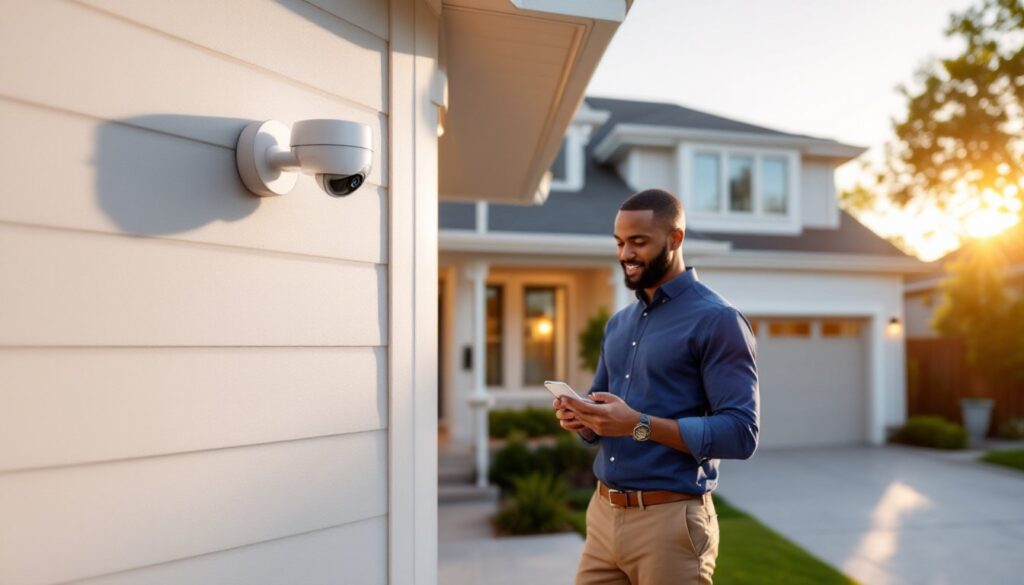
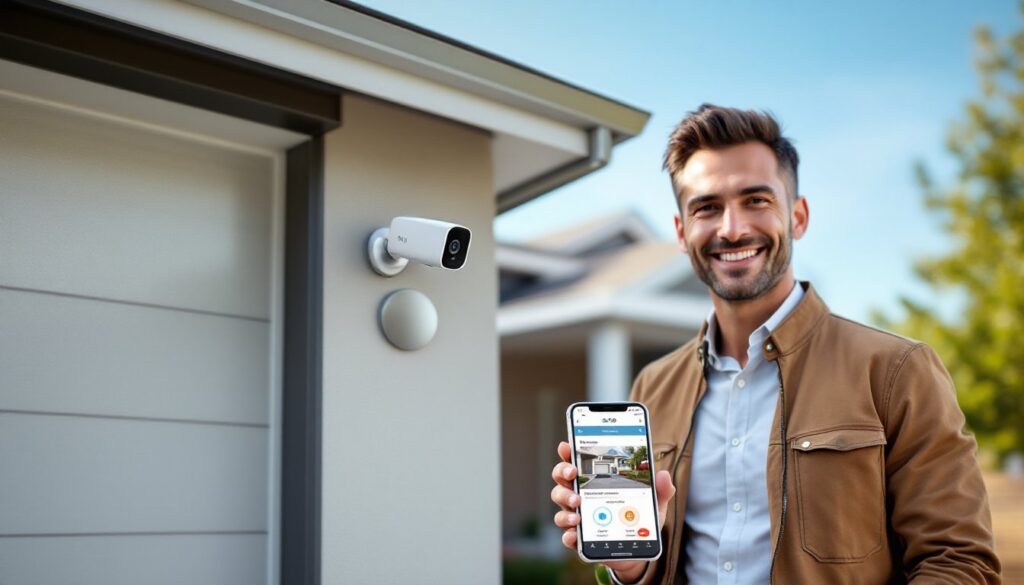
Wireless outdoor cameras have transformed home security from a wired, wall-drilling nightmare into something a homeowner can actually manage. No more fishing cables through attics, no more hiring an electrician, no more waiting weeks for a permit. Today’s security cameras, whether from Arlo wireless or other top brands, sit on a shelf, mount to a corner, and start recording within minutes. The challenge now isn’t availability: it’s knowing what features matter, how to install them properly, and which model fits your home’s layout and budget. This guide walks you through the essentials so you can protect your property without second-guessing yourself.
Table of Contents
ToggleKey Takeaways
- Wireless outdoor cameras eliminate complex installation requirements like wall drilling and electrical permits, allowing homeowners to set up security systems in minutes without professional help.
- Choose cameras rated IP65 or IP67 for weather resistance, with aluminum or polycarbonate housing and sealed battery compartments to withstand rain, dust, temperature swings, and UV exposure.
- Prioritize night vision with infrared LEDs, at least 1080p resolution, and 30 fps frame rate to ensure clear footage for facial recognition and evidence documentation.
- Test your Wi-Fi signal strength at planned camera locations before purchasing; weak connectivity causes disconnections and defeats the purpose of wireless cameras for outside security.
- Mount cameras strategically at entry points (front door, gates, garage) and driveways while avoiding backlighting and reflective surfaces to maximize coverage and image quality.
- Plan your power source upfront—battery-powered models offer maximum flexibility, while wired or PoE options provide reliability but require cable routing and proper weatherproof sealing.
Why Wireless Outdoor Cameras Matter for Home Security
A wireless outdoor camera acts as your eyes when you’re not home. Unlike old hardwired systems that required running conduit through walls and conduit hangers every 18 inches, wireless models eliminate that overhead entirely. They deter burglars visibly, a camera mounted above a front door or garage sends a message, and they record evidence if something does happen.
The real value is flexibility. You can move a camera from a front corner to a side gate without cutting into siding or rewiring. Battery-powered wireless security cameras mean you’re not limited to areas near an outlet. For properties with detached garages, long driveways, or fenced yards where running power lines would be impractical, wireless battery powered security cameras eliminate that constraint entirely.
Most modern wireless cameras connect to your home Wi-Fi network. That means live viewing on your phone, motion alerts in real time, and cloud or local storage of footage. Some models offer 24/7 recording: others trigger only on motion, which saves bandwidth and storage space. The peace of mind, knowing you can check on a package, confirm a visitor, or review what happened when you were gone, justifies the investment for most homeowners.
Key Features to Look for When Choosing an Outdoor Wireless Camera
Weather Resistance and Durability
Outdoor means exposure: rain, dust, temperature swings, and occasionally lawn mower spray. Look for cameras rated IP65 or IP67. (IP stands for Ingress Protection: the first digit rates dust, the second rates water. IP65 means dust-tight and water-jet resistant: IP67 adds submersion tolerance.) Anything lower and you’re gambling with expensive equipment in the elements.
Housing matters too. Aluminum or polycarbonate bodies hold up better than cheap plastic that degrades in UV light. Cables and connectors should have weatherproof seals. If a camera uses batteries, confirm the battery compartment has a gasket or seal, water in there will kill it fast. Consider temperature specs as well. If you live somewhere that dips below freezing, check the operating range: many budget models quit working below 32°F.
Mount location also affects longevity. A camera under an eave survives longer than one fully exposed to weather. Angle it to avoid direct sun for hours on end: heat buildup can shorten sensor and battery life. When you’re assessing a model like Arlo wireless security cameras, read reviews specifically mentioning durability in your climate, not generic praise.
Night Vision and Video Quality
Most intrusions happen when it’s dark. Night vision is non-negotiable for outdoor cameras. Look for infrared (IR) LEDs paired with a sensor that performs in low light. Resolution matters, 1080p is the baseline now, though 2K (2560×1920) and 4K are increasingly common. Higher resolution means clearer facial recognition and license plate reads, which matters if you need footage for police or insurance claims.
Frame rate is less obvious but important. 30 fps (frames per second) is standard and smooth enough for most situations. Some cameras drop to 15 fps or variable rates to save bandwidth, which can make fast motion look choppy. Check the field of view too. A 120-degree horizontal view is typical: wider (150+) covers more area but can distort edges. Narrower (90 degrees or less) gives a tighter, clearer picture of one specific zone.
Bit rate and codec matter if you’re archiving footage. H.264 is standard and efficient: newer H.265 (HEVC) saves space but requires more processing. Ask about cloud storage versus local storage. Cloud is convenient, footage backs up automatically, but costs money per month and relies on your internet. Local storage (SD card or attached drive) is one-time cost, no subscription, but only works if the camera or hub stays powered and accessible. Recent outdoor security camera guides highlight that most buyers regret not checking these specs before purchase.
Installation and Setup: A DIY Approach
Most wireless outdoor cameras are DIY-friendly, but “wireless” doesn’t mean zero planning. Start by identifying your coverage zones. Walk around your property at dusk and note where you’re concerned: entry points (front door, side gate, garage entrance), driveways, windows with outdoor value (tool shed, AC unit). Mark these spots.
Next, check your Wi-Fi strength at those locations. Wireless cameras need solid signal: if your router is 50 feet away and a wall away, the camera will struggle. You can test with your phone’s Wi-Fi analyzer app or just check signal bars. If coverage is weak, consider a mesh Wi-Fi system or Wi-Fi extender before buying expensive cameras that’ll disconnect constantly.
Power source comes next. Battery-powered models require fewer considerations, just a location with decent light if they’re solar-charging models. Wired models need a 12V or 24V power supply nearby, which usually means running a weatherproof cable. PoE (Power over Ethernet) cameras draw power through the same Ethernet cable that carries video, reducing runs to one. Hardwired options are more reliable but demand planning: you’ll drill holes (use a spade bit for a clean opening), route cable through conduit if it’s exposed, and seal openings with caulk.
Mounting hardware comes in the box but confirm it fits your situation. Mounting brackets are typically aluminum or steel: corners and eaves need different hardware than flat siding. For masonry (brick, concrete), you’ll drill pilot holes and use concrete anchors (typically #8 or #10 tapcons). For wood siding, 2.5-inch deck screws work fine if you hit a stud: avoid just sinking them into hollow cavities. Use a torpedo level to ensure level mounting, tilted cameras waste field of view.
Once mounted, run your Wi-Fi setup: download the manufacturer’s app, scan the camera’s QR code (usually on the device or manual), enter your network password, and confirm the feed. Most cameras guide you through initial configuration step-by-step. Set your recording preferences (continuous vs. motion-triggered), cloud or local storage, and test night vision by covering the lens briefly. Confirm you can access the camera from your phone away from home.
A few installation notes: Never mount a camera pointing into bright sunlight if avoidable, backlighting washes out the image. Avoid pointing it at reflective surfaces (pools, car windows) unless that’s your specific goal. If using batteries, note the replacement interval (usually 3–6 months depending on activity) and set a phone reminder. For larger setups with multiple cameras, systems using a hub (like many Arlo models) simplify management and may offer local backup storage if internet drops.
Conclusion
Outdoor wireless cameras are mature, affordable, and genuinely effective for home security. The combination of easy installation, remote access, and visible deterrent value makes them a smart first step for homeowners. Prioritize weather-rated hardware, adequate night vision, and a solid Wi-Fi plan, those three factors prevent the frustration that sends people back to hardware stores. Whether you opt for solar powered security cameras for true maintenance-free operation or a wired setup with better reliability, take time to plan placement and test your network first. Your future self will thank you when you can check a live feed on your phone instead of wondering what happened while you were gone.