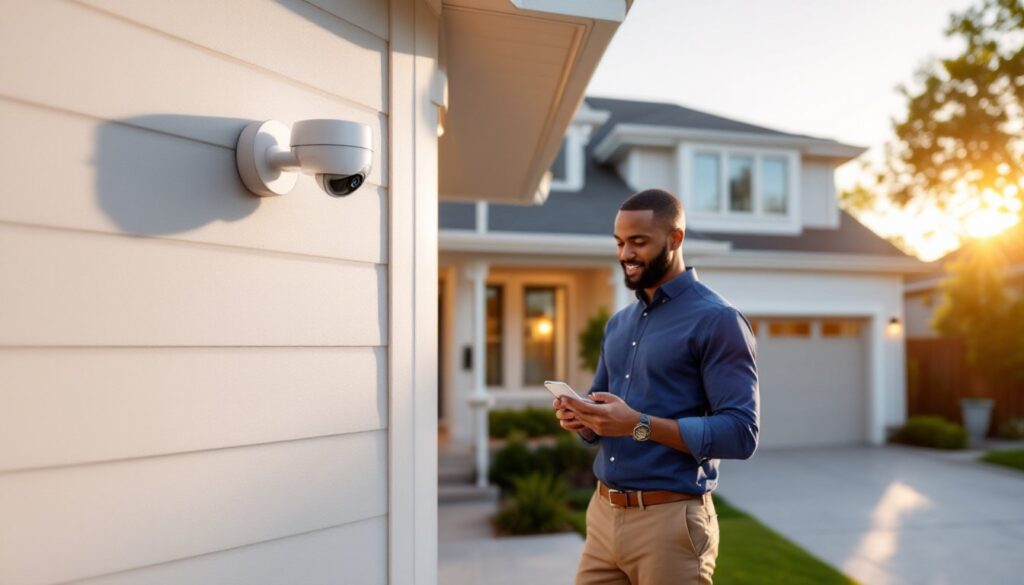
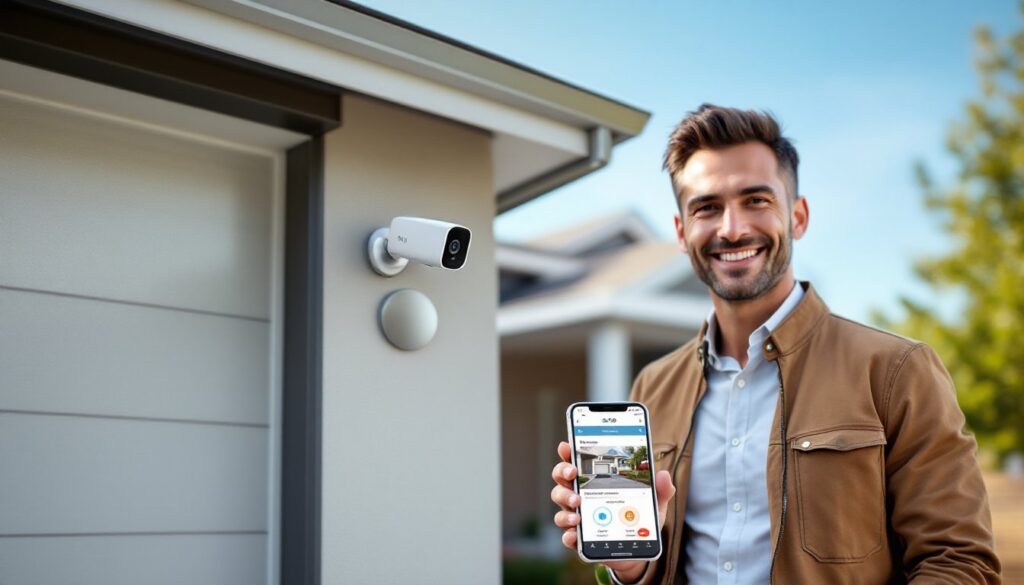
Home surveillance cameras have become a cornerstone of modern house security. Whether you’re protecting against package theft, monitoring entry points, or simply keeping tabs on your property while away, the right camera system delivers peace of mind, and they’re easier to install than ever. This guide walks you through everything a homeowner needs to know about selecting, setting up, and optimizing house surveillance cameras. From understanding different camera types to making smart placement decisions, you’ll find practical advice that translates directly to actionable steps for your home.
Table of Contents
ToggleKey Takeaways
- House surveillance cameras significantly reduce property crime by serving as both a visible deterrent and a reliable documentation tool for security incidents.
- Wireless security cameras offer faster DIY installation without professional help, while wired options provide rock-solid connectivity but require more complex cable setup.
- Optimal camera placement at entry points (front door, garage, driveway) with slight overlapping views eliminates blind spots and maximizes security coverage.
- Essential features like 1080p–4K resolution, motion detection with AI person filtering, night vision, and two-way audio transform house surveillance cameras into comprehensive security systems.
- Modern surveillance camera systems cost less than a monthly dinner out and work standalone or integrate with smart home ecosystems without expensive monitoring contracts.
- Regular firmware updates and a stable Wi-Fi network are critical to protecting your surveillance system itself from security vulnerabilities.
Why Every Homeowner Should Consider Adding Surveillance Cameras
A functioning security system acts as both a deterrent and a documentation tool. Criminals think twice when they see cameras: statistics consistently show that visible surveillance significantly reduces property crime. Beyond theft prevention, cameras offer real-time alerts, remote monitoring, and recorded evidence that helps police if an incident occurs.
Modern cameras do far more than just record grainy footage. Many include motion detection, night vision, two-way audio, and smart home integration. Unlike older setups that required professional installation and monthly monitoring fees, today’s systems often cost less than a dinner out per month. They work standalone or integrate with your existing smart home ecosystem, giving you flexibility without locking you into expensive contracts.
You don’t need to install a Fort Knox-level system to benefit. Even a single well-placed camera at a front door or driveway can capture critical details. Start small, test what works for your home layout, and expand as needed.
Types of House Surveillance Cameras: Finding the Right Fit for Your Home
Indoor vs. Outdoor Cameras
Indoor cameras are typically smaller, compact, and designed for living spaces, hallways, or entryways. They don’t need heavy weatherproofing and often fit into ceiling mounts or sit on shelves. Outdoor cameras, by contrast, must handle rain, temperature swings, and UV exposure. They’re built tougher with reinforced housings, sealed connectors, and often a higher IP rating (Ingress Protection, a measure of dust and water resistance).
Outdoor models often come with larger lenses and wider fields of view to cover driveways and perimeter areas. Many homeowners use both: an outdoor camera covering the front entrance and a smaller indoor unit monitoring the living room or kitchen. Just remember that outdoor cameras need stable mounting on siding, soffit, or a pole, use stainless-steel hardware and corrosion-resistant fasteners to avoid rust.
Wired and Wireless Options
Wired security cameras run power and data through cables, usually coax or Cat5e/Cat6 Ethernet. This setup offers rock-solid connectivity and doesn’t depend on Wi-Fi strength, but installation requires running cables through walls or along exterior trim, often the most time-consuming part of a DIY project.
Wireless security cameras rely on Wi-Fi or battery power, making them faster to set up with no drilling or fishing cables. Wireless security cameras and models like Arlo security cameras have revolutionized home surveillance by letting homeowners skip contractor visits entirely. The trade-off: battery-powered models need regular charging or battery swaps, and Wi-Fi-dependent units can lag if your signal is weak. Most modern wireless options allow local storage on a hub or cloud backup, so you’re not entirely dependent on internet speed.
Essential Features to Look For in a Home Security Camera System
Resolution matters, but it’s not everything. A 1080p (full HD) camera delivers clear enough detail for most homes and uses less bandwidth than 4K. That said, if you need to identify a face or read a license plate, upgrading to 2K or 4K gives you more usable zoom and cropping flexibility later.
Night vision is non-negotiable for outdoor cameras and any camera covering dark areas. Look for infrared (IR) night vision, it works in complete darkness, or color night vision (which needs more ambient light but shows colors and details better). Motion detection with adjustable sensitivity prevents constant false alerts from trees or passing cars. Person detection AI filters out non-human motion, cutting down notifications even further.
Storage and cloud options vary widely. Some cameras offer local storage via microSD card or a home hub, meaning footage stays in your hands. Others use cloud subscription services, which costs money but lets you access footage from anywhere and backs up critical events. Two-way audio is useful for speaking to delivery drivers or deterring trespassers. Weather resistance (IP65 or higher for outdoor cameras) ensures the unit survives rain, dust, and temperature extremes.
Battery life for wireless models typically ranges from 3 to 12 months depending on activity. Check the specs honestly, marketing claims often assume light use. If a camera is in a high-traffic zone, expect shorter battery life and plan for more frequent charging.
DIY Installation: Step-by-Step Setup for Common Camera Types
Most homeowners can install wireless cameras in under an hour per unit. Here’s the general process:
1. Choose your mounting location. Pick a spot with a clear view of the area you want to monitor and good Wi-Fi signal strength. Aim for heights between 8 and 10 feet, high enough to avoid tampering but low enough to capture face-level details. Avoid pointing directly into sunlight, which washes out footage.
2. Prepare the mount. If mounting outdoors, use weatherproof fasteners: stainless-steel screws or expansion anchors rated for your surface (vinyl siding, brick, stucco). If drilling into stucco or masonry, use a carbide or diamond-tipped bit and wear a dust mask, that fine silica dust is serious.
3. Install the camera. Most wireless models screw into a simple bracket. Secure the bracket first, then slide the camera in and tighten. Use a level to ensure the camera isn’t tilted.
4. Connect to Wi-Fi and the app. Follow the manufacturer’s app setup. You’ll usually create an account, connect the camera to your home Wi-Fi (2.4GHz works best for range: 5GHz is faster but has shorter range), and name each camera so you know what you’re watching.
5. Test and adjust. Let the camera run for a few days. Check the app for clear video, test night vision, and confirm motion alerts work. Adjust sensitivity and detection zones through the app as needed.
For wired security camera installations, expect more prep work. Running cable through walls requires fishing tools, wall plates, and sometimes drilling holes, doable, but plan for a full afternoon. Hiring a handyman for cable runs while you handle the electronics portion is a practical middle ground.
Maximizing Your System: Placement Strategies and Best Practices
Smart placement multiplies the value of your security cameras. Cover entry points, front door, back door, garage, first. These are where most intrusions begin. A second camera on a driveway or side yard catches package theft and suspicious activity before anyone reaches the house.
Overlap camera views slightly so there are no blind spots between them. Avoid placing cameras directly above an entry light (glare ruins footage) or pointing at reflective surfaces. If you have trees or shrubs that might grow into the camera’s view, trim them back or choose a higher mounting point.
Motion-activated lights paired with cameras increase deterrence significantly. A light flicking on when someone approaches, combined with a visible camera, sends a clear message. Motion sensor security cameras provide automated alerts and recording triggered by movement, so you’re not storing endless hours of empty driveway footage.
Ensure your Wi-Fi network is stable. Move the home hub or router closer to cameras if you see dropouts, or install a mesh network to extend range without dead zones. Update camera firmware regularly, manufacturers patch security vulnerabilities constantly, and you want your surveillance system itself protected.
According to recently tested buyer’s guides for home security cameras, the best systems balance image quality, ease of use, and reliability. Comprehensive roundups of top surveillance cameras emphasize motion detection and smart alerts as must-haves. Expert-tested reviews consistently highlight systems that don’t require professional installation yet deliver professional-grade results. Taking time to read current comparisons before buying ensures you’re getting a camera that fits your specific needs.