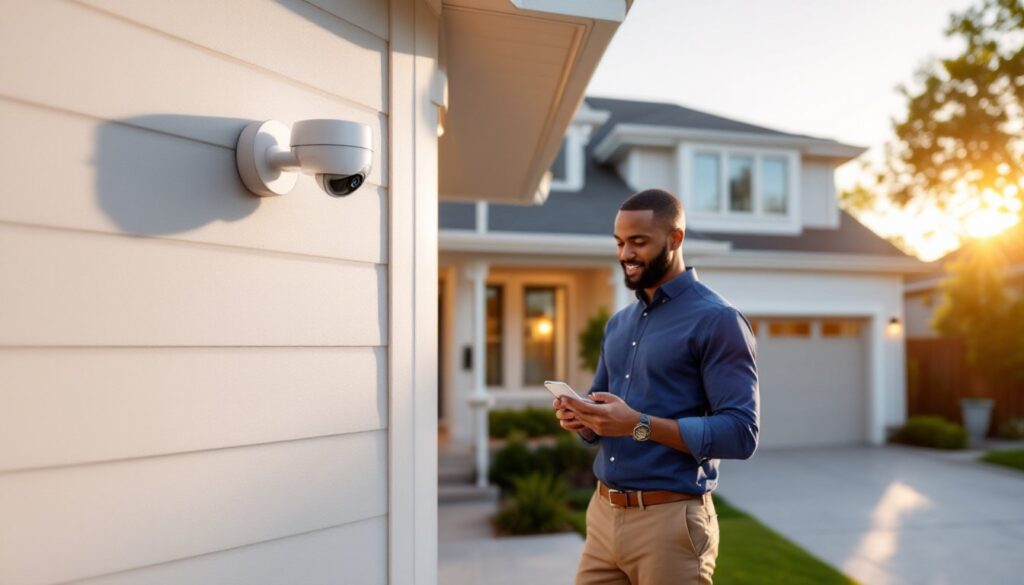
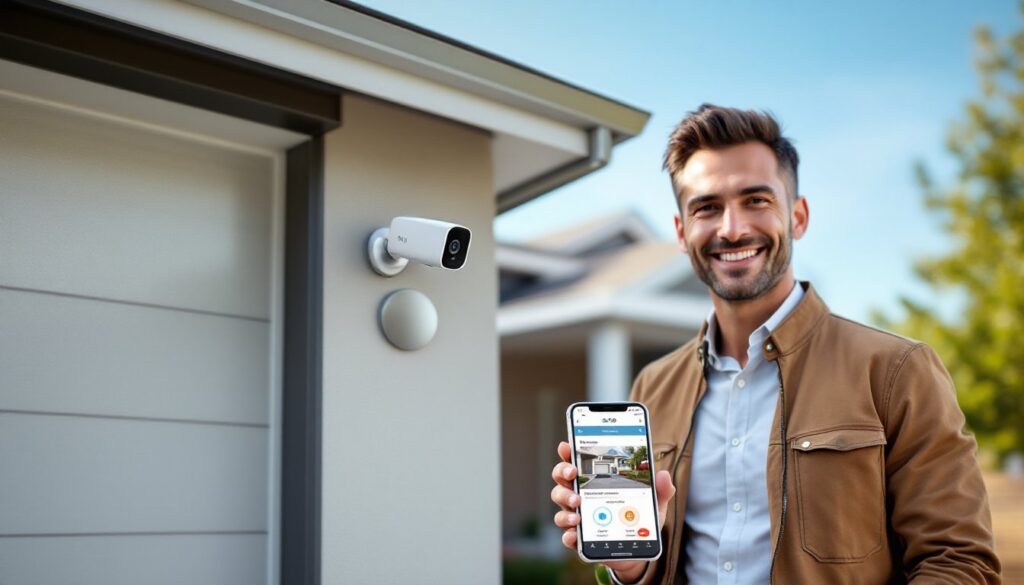
A break-in happens somewhere in America every 26 seconds. The sobering statistic is why outdoor security cameras have become a must-have for homeowners serious about protection. Unlike alarm systems alone, cameras deter criminals before they strike and capture evidence if they do. With 2026 offering more accessible, user-friendly options than ever, you don’t need to hire a professional installer or commit to expensive monthly subscriptions. Whether you’re protecting an entry point, driveway, or the entire perimeter, understanding the types, features, and installation basics ensures you choose the right system for your property and get it working properly from day one.
Table of Contents
ToggleKey Takeaways
- Outdoor security cameras deter criminals before they strike and provide evidence for police and insurance claims, making them essential for modern home protection.
- Choose between wired systems for reliability and permanence or wireless outdoor security cameras for faster installation and flexibility—many homeowners benefit from a hybrid approach.
- Prioritize resolution (2K to 4K), night vision with 20+ meter IR range, 90–110 degree field of view, and IP65+ weather resistance to capture actionable details.
- Mount cameras 8–10 feet high on entry points and driveways, use weather-resistant fasteners, and route cables through PVC conduit to prevent tampering and weather damage.
- Test all cameras, motion detection, and app notifications before finalizing installation to avoid discovering blind spots or poor angles weeks later.
- Maintain your system by cleaning lenses, updating firmware monthly, and reviewing footage regularly to adjust sensitivity and catch suspicious patterns early.
Why Outdoor Security Cameras Matter for Homeowners
Outdoor <a href="https://terraceplay.com/solar-powered-wireless-security-cameras-your-complete-guide-to-wire-free-protection-in-2026/”>security cameras serve as both a physical deterrent and a legal safeguard. Visible cameras on your property make burglars think twice, they’d rather hit an easy target. If a crime does occur, footage becomes evidence for police and insurance claims. Beyond theft prevention, cameras monitor package deliveries, catch trespassing, and let you check in on your property while away. They’ve moved past the grainy footage era: modern outdoor models record in 1080p to 4K resolution, offer night vision, and send real-time alerts to your phone. For a homeowner juggling security concerns, insurance deductibles, and peace of mind, the return on investment comes quickly. You’re essentially hiring a 24/7 watchdog that never sleeps and never calls in sick.
Types of Outdoor Security Cameras and How They Work
Outdoor security cameras fall into a few main categories, each suited to different needs and budgets. Bullet cameras are compact, cylindrical, and mount in tight spaces, ideal for soffits or corner installations. Dome cameras have a wider field of view and mount flush to walls or ceilings, giving a more finished look. Turret cameras offer the viewing angle of a dome with the adjustability of a bullet. PTZ cameras (pan-tilt-zoom) let you remotely control the viewing angle and zoom, useful for larger properties but pricier. For most homeowners, a combination of bullet and dome cameras covers entry points without very costly.
Wired vs. Wireless Systems
Wired outdoor security camera systems run 12V or PoE (Power over Ethernet) cable to each camera. The cable supplies power and transmits video, eliminating battery concerns and network latency. Wired systems are more reliable and don’t depend on your Wi-Fi strength, but installation requires running cable through walls, conduits, or under siding, a bigger upfront effort. A wireless security camera system uses Wi-Fi to transmit footage and may run on batteries or plug into AC power. Wireless is faster to install and works well if you already have strong Wi-Fi coverage, but rely on your internet connection and may have latency during peak network use. The choice comes down to how much installation effort you’re willing to invest. If you’re rewiring your home or adding a new system to a dedicated circuit, wired makes sense. If you want to avoid cutting walls and running conduit, wireless lets you mount and go. Many homeowners now mix both: wired cameras for permanent high-traffic entry points and wireless units for flexible secondary monitoring.
Key Features to Look For When Choosing a Camera
Not all outdoor security cameras are created equal. Start with resolution: 1080p is baseline, but 2K to 4K gives you usable detail when zooming in on a face or license plate. Night vision matters, look for IR (infrared) LEDs with 20+ meter range for true darkness monitoring. Field of view is critical: most outdoor cameras offer 90–110 degrees, but check whether it covers your target zone without blind spots. Smart features like motion detection, person detection, and package alerts reduce false alarms and prioritize meaningful events. Cloud storage versus local storage is another consideration. Cloud requires a subscription but works if your internet drops: local storage (microSD card or NAS) avoids recurring fees but demands manual management. Weather resistance is non-negotiable for outdoor gear, verify the IP rating (IP65 or higher blocks dust and jets of water) and operating temperature range. Consider also whether the camera integrates with your existing smart home hub. A wired outdoor security camera paired with an NVR (Network Video Recorder) offers enterprise-grade reliability, while a wireless security camera like modern wireless options prioritizes ease and flexibility. Pricing varies wildly, budget $150–300 per camera for solid mid-range gear, more for premium brands with advanced AI features.
Installation Tips for DIY Setup
Before you drill the first hole, plan your camera placement. Map entry points (doors, windows, gates, driveways) and sight lines. Mounting height should be 8–10 feet for covered areas, high enough to prevent tampering but low enough to capture useful facial detail. Avoid pointing directly into sun glare, which washes out footage. For wired systems, route cable through PVC conduit to protect it from weather and critters. For wireless units, ensure your Wi-Fi signal reaches the mounting point, dead zones mean dropped connections. When installing a security camera system, use corrosion-resistant fasteners (stainless steel or galvanized) rated for outdoor use. Standard drywall anchors fail outdoors: use concrete anchors for masonry or lag bolts into wood studs. Most cameras come with weatherproof conduit boxes for cable entry, don’t skip these: they keep water out. For wired installations, you may need a licensed electrician to connect to your panel, especially if you’re running a dedicated circuit. Wireless setup is simpler: mount, power on, join Wi-Fi, and configure through an app. Test all cameras before sealing any conduit or caulking. Verify night vision works, motion detection triggers correctly, and app notifications arrive on your phone. A quick test save you from discovering dead zones or poor angles weeks later.
Maintenance and Ongoing Security Best Practices
Once installed, outdoor security cameras need minimal care but benefit from routine checks. Clean lens covers every few months, dust and spider webs degrade image quality. Inspect cable runs for damage, especially after storms or high winds. Check that camera angles haven’t shifted and that nothing new blocks the view. Firmware updates keep systems secure and often add features: set reminders to check your app or manufacturer’s website monthly. For battery-powered wireless cameras, replace batteries seasonally or monitor charge levels in your app. Review footage regularly, don’t wait until something’s wrong. Watching a few minutes each week helps you spot patterns, adjust motion sensitivity to reduce false alerts, and catch if someone’s casing your home. Modern security cameras now offer smart features like person detection and package alerts that filter noise. Use these to stay focused on real threats. Finally, keep passwords strong and unique for your camera system account: a compromised account is a security liability. Consider enabling two-factor authentication if available. A well-maintained outdoor security camera system runs reliably for 5+ years, providing steady peace of mind with minimal fuss.
Conclusion
Outdoor security cameras are now a practical, affordable defense layer that any homeowner can install and manage. Whether you choose wired reliability, wireless convenience, or a hybrid approach, the key is matching the system to your property’s layout and your comfort level with installation. Focus on resolution, night vision, field of view, and reliable power. Plan placement carefully, respect weather-resistance specs, and test thoroughly before calling the job done. With proper maintenance, your cameras will work silently in the background for years, deterring criminals and capturing proof if the worst happens. Your home deserves that protection.