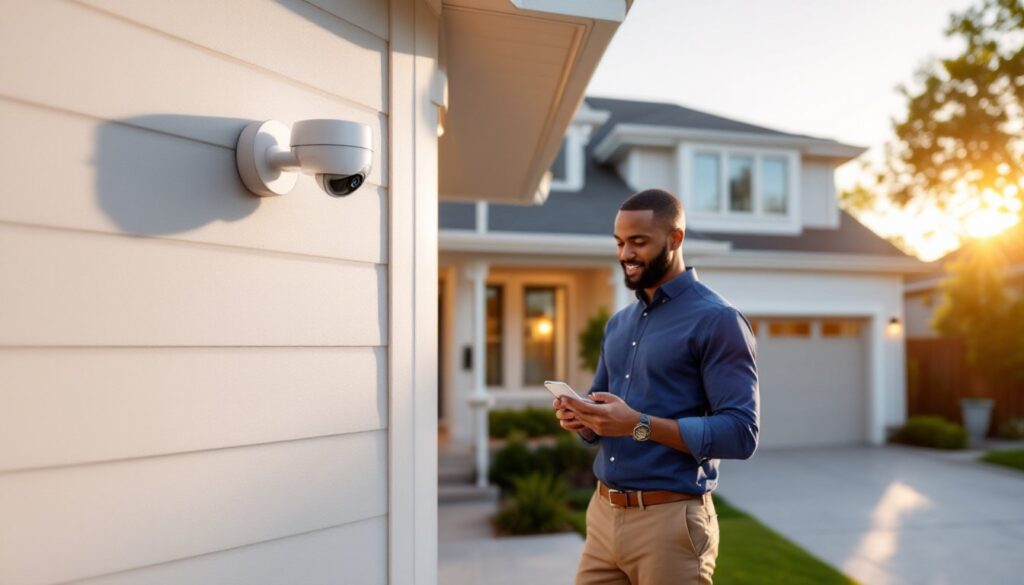
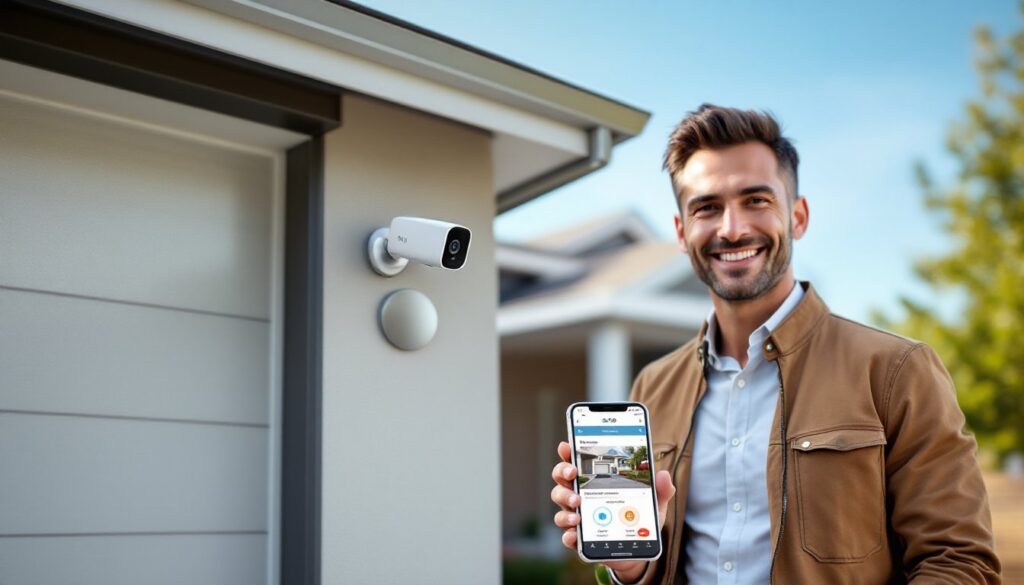
Arlo home security cameras have become a go-to choice for homeowners looking to add real protection without hiring professionals or rewiring their entire house. Whether you’re monitoring a front porch, driveway, or backyard, Arlo offers a range of wireless options that work independently or as a full system. This guide walks you through the models available in 2026, the features that actually matter, setup requirements, and subscription plans so you can choose the right system for your home and budget.
Table of Contents
ToggleKey Takeaways
- Arlo home security cameras come in three tiers—Essential (1080p), Pro (2K), and Ultra (4K)—allowing you to choose based on your budget and monitoring needs without overspending on unnecessary features.
- Strong Wi-Fi connectivity (at least 2 Mbps) and strategic camera placement at entry points, driveways, and pathways are critical for maximizing the effectiveness of your wireless system.
- Person detection with AI, customizable activity zones, and motion detection features significantly reduce false alerts and improve the accuracy of your home security monitoring.
- Arlo Secure subscription plans start around $9–12 monthly for unlimited cameras with 30 days of cloud storage, making it more affordable than traditional professional security systems.
- Start with a single camera on Arlo Secure Basic or Secure, test your Wi-Fi coverage, and expand your system gradually as you identify which features and locations matter most for your home.
Arlo Camera Models & Product Lineup
Essential, Pro & Ultra Camera Tiers
Arlo structures its cameras into three main tiers, each designed for different budgets and monitoring needs. Understanding the tiers helps you pick the right model without overspending on features you won’t use.
Essential cameras are Arlo’s entry point. They record in 1080p HD, run on batteries, and work wirelessly with Wi-Fi. Essential models are solid if you need basic motion detection and recorded footage on a tight budget. The trade-off: lower resolution and fewer advanced features.
Pro cameras step up to 2K resolution and include better night vision, smarter motion detection zones, and longer battery life. Pro models suit homeowners wanting clearer footage and more control without premium pricing. Many people find Pro cameras hit the sweet spot between cost and capability.
Ultra cameras are the top tier. They offer 4K resolution, built-in spotlights for illuminating dark areas, and the sharpest night vision in Arlo’s lineup. According to reviews of the Arlo Ultra, the 4K video and dual spotlights make it the choice for homeowners who want cinema-quality footage and don’t mind paying for it.
Each tier comes in wired and wireless versions. Wired models plug into power for always-on recording: wireless models run on batteries and activate on motion. Pick wired if you have outdoor outlets nearby: wireless gives you placement flexibility.
Key Features That Matter for Your Home
Not all security camera features are created equal. Here’s what actually impacts how well your system works.
Resolution and night vision are foundational. 1080p is acceptable for identifying people: 2K and 4K catch license plates and fine details. Night vision quality varies, Arlo’s infrared is solid across all tiers, but Pro and Ultra models see farther in darkness.
Motion detection and activity zones let you ignore motion from trees or traffic and focus on your actual entry points. Arlo allows you to draw detection zones on a live feed, which cuts false alerts by a huge margin. You configure this in the app after installation.
Two-way audio lets you talk through the camera speaker. It’s handy for telling a delivery driver where to leave a package or asking a visitor to wait. Basic but useful.
Person detection uses AI to tell the difference between a person and a moving branch or pet. It’s available in Pro and Ultra tiers and significantly reduces junk alerts. Essential models use motion-only detection, which triggers on anything that moves.
Spotlight and siren are physical deterrents. Some Arlo models have built-in spotlights (especially Ultra) that turn on when motion is detected. A siren plays a loud alarm to scare off intruders. These aren’t quiet, so use them strategically.
Weatherproofing matters if you’re mounting outside. Arlo cameras are IP65-rated (dust and water resistant) on most models, meaning they handle rain, sun, and temperature swings. Check the spec sheet for your specific model, some are more rugged than others.
Installation, Wi-Fi Requirements & Setup
Arlo cameras are designed for DIY installation, but success depends on a few basics.
Wi-Fi strength is critical. Cameras need at least a 2 Mbps connection to stream and record smoothly. If your router is far from the camera location or blocked by walls, signal will drop. Test your Wi-Fi strength in the intended camera spot before buying. Most homeowners solve weak signals by moving the router, adding a mesh Wi-Fi system, or using a Wi-Fi extender near the camera.
Battery-powered wireless cameras like Arlo wireless models require mounting on a wall or surface within Wi-Fi range. You’ll need a drill, drill bits, and weatherproof wall anchors (provided in most kits). Mount the camera 8–10 feet high for a good viewing angle and to keep it out of reach. Arlo batteries last 3–6 months depending on activity and weather: you’ll swap them out periodically.
Wired models need a nearby outdoor outlet or a new circuit run, this may require a licensed electrician if you don’t have outdoor power. Wired cameras are heavier-duty and ideal for main entry points where you’ll accept always-on recording.
Setup itself is straightforward: download the Arlo app, create an account, add your camera by scanning a QR code, connect to your home Wi-Fi, and position the camera. The app walks you through it. Make sure your phone and camera are on the same Wi-Fi network during pairing.
Mounting angle and placement matter more than you’d think. Point cameras at entry doors, driveways, and pathways. Avoid pointing directly into bright sunlight, which washes out video. Test the view on your phone’s app before tightening the mount, you can adjust angle and zoom from the app.
Arlo Secure Plans & Subscription Options
Arlo cameras record to cloud storage via subscription plans. There’s no local storage option, so you’ll need a subscription to save video beyond the brief preview in the app.
Arlo Secure Basic covers one camera and includes 30 days of cloud video history. It’s the cheapest option and good if you’re trying one camera before expanding.
Arlo Secure is the mid-tier plan. It covers unlimited cameras in your home, includes 30 days of video history, and adds advanced features like person detection and activity zone customization. Most homeowners pick this if they want full features.
Arlo Secure Plus adds a 24/7 emergency response service and extends video history. It’s pricier but suited for people wanting professional monitoring backup.
All plans are billed monthly or annually (annual is discounted). The monthly cost for Secure is around $9–12 depending on your region, check Arlo’s website for current pricing. You’re not locked in: you can cancel anytime, though you won’t be able to access older footage once your subscription lapses.
While subscriptions add up, consider that a professional security system with cloud storage runs $50+ per month. For wireless security cameras, Arlo’s subscription is reasonable, especially if you’re spreading the cost across multiple cameras. If budget is tight, start with one camera on Basic and upgrade later.
Choosing the Right System for Your Needs
Picking the right Arlo system means matching models to your home layout and priorities.
For a single entry point (front door, small apartment, cabin), an Essential or Pro wireless camera is plenty. Pair it with Arlo Secure Basic or Secure for cloud storage. Total investment: camera + one year of Secure runs under $400.
For a small home or single-story house, consider two Pro or Essential cameras, one front, one back. Wireless models let you place them anywhere in Wi-Fi range. Arlo Secure covers unlimited cameras, so adding a second camera only adds the hardware cost, not the subscription. This setup typically costs $500–700 for two years.
For a larger property or high-priority monitoring, mix Pro and Ultra cameras. Put Ultra models at main entries (front door, garage) where you want the clearest footage, and Pro or Essential at secondary spots. Wired Ultra models are overkill for casual monitoring but justified if you need continuous 4K recording. Larger systems can run $1,500+ depending on camera count and storage needs.
Budget-conscious homeowners should start small, one wireless camera, and expand later. Budget security cameras can protect your home without draining your wallet, and Arlo’s Essential tier is genuinely capable. You’ll learn what features you actually use before doubling down on higher tiers.
Tech-forward homeowners integrating cameras into a larger smart home automation setup should know Arlo works with Amazon Alexa and Google Home. You can view your cameras on Echo Show devices or ask Alexa to show you the front door feed. This integration is seamless and adds no extra cost.
One practical note: installing a wireless security camera system requires careful planning of Wi-Fi coverage and camera placement. Don’t assume your current router will reach your back corner, test it first, or plan to upgrade your network as part of the project.
Conclusion
Arlo home security cameras deliver practical wireless monitoring without a steep learning curve or installation cost. Whether you choose Essential, Pro, or Ultra models depends on your budget and how much detail matters to you. Start with one camera, test your Wi-Fi, and expand as you feel comfortable. The subscription cost is reasonable, and the app is genuinely user-friendly. Most homeowners find that a well-placed Arlo camera pays for itself in peace of mind.