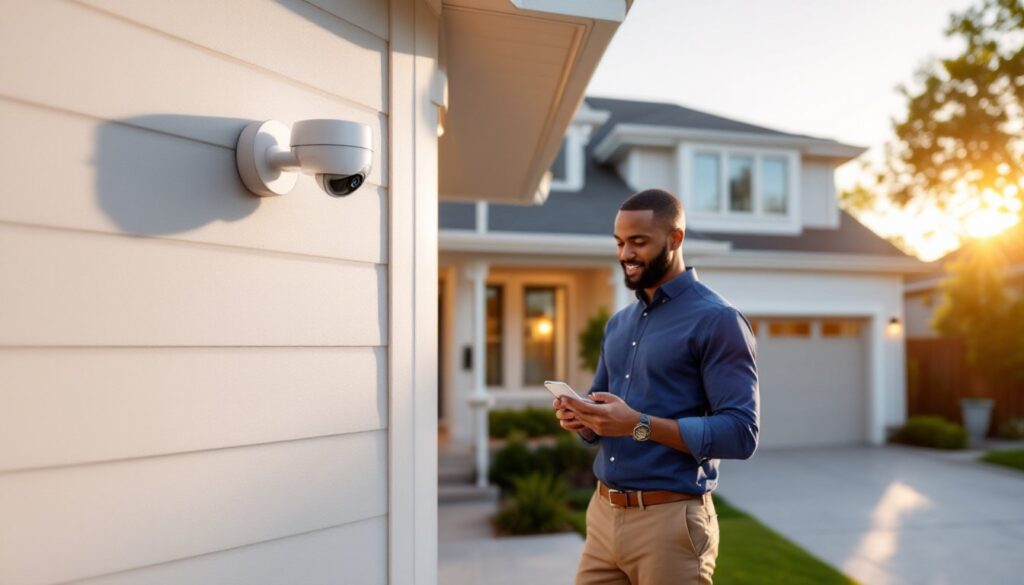
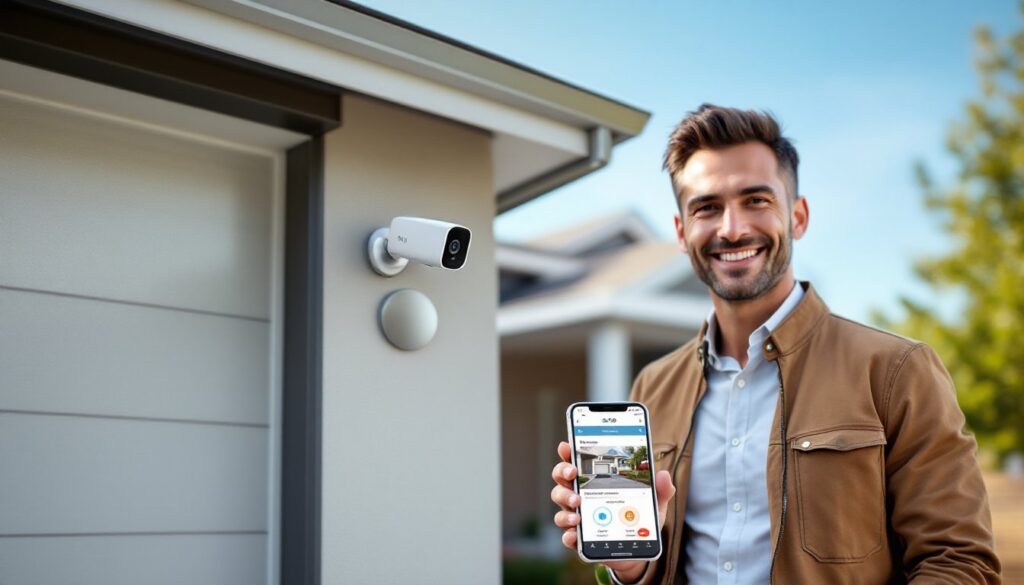
A porch camera catching a package thief in action. A driveway feed alerting you to a visitor before they ring the bell. Outdoor security cameras have become the eyes and ears of modern homes, and they’re more affordable and easier to install than ever. Whether you’re protecting a single entry point or monitoring your entire perimeter, security cameras for outside offer real peace of mind without requiring a professional installer or a subscription service that bleeds your wallet. This guide walks you through the essentials: what to look for, where to place them, and how to keep them working reliably year-round.
Table of Contents
ToggleKey Takeaways
- Security cameras for outside act as a powerful deterrent to burglars while providing timestamped video evidence for theft recovery, trespasser identification, and insurance claims.
- Wireless security cameras offer simple DIY installation with 3–6 month battery life, while wired systems provide rock-solid reliability without battery maintenance—choose based on your coverage area and installation tolerance.
- Mount outdoor security cameras 8–12 feet high angled slightly downward for face recognition, avoid direct sunlight, and verify strong Wi-Fi signal before installation to prevent dropped footage.
- IP65 weatherproofing, 1080p minimum resolution, and infrared night vision are essential baseline features for outdoor cameras, while AI-powered motion detection filters false alerts from genuine security threats.
- Modern security cameras for outside increasingly offer local storage options without recurring subscription fees, plus firmware updates and regular lens cleaning prevent security vulnerabilities and maintain image quality year-round.
Why Outdoor Security Cameras Matter for Modern Homeowners
Your home is your most valuable asset, and the threats it faces aren’t always visible until it’s too late. Outdoor security cameras act as a deterrent, burglars avoid homes with visible surveillance. But they’re also your evidence when something does go wrong. A timestamped video clip can mean the difference between recovering a stolen package, identifying a trespasser, or settling an insurance claim.
Beyond theft prevention, outdoor cameras give you eyes on your property 24/7. You can check on deliveries, monitor weather-related damage, verify who’s at your door before you open it, and keep an eye on elderly relatives or children in the yard. The technology has matured enough that even budget-friendly models deliver usable footage in daylight and low light. Modern outdoor security cameras work independently or as part of a larger smart home ecosystem, and many no longer demand monthly cloud storage subscriptions, a major shift from five years ago.
The peace of mind you gain from knowing exactly what’s happening around your home pays dividends in both security and convenience.
Types of Outdoor Security Cameras: Choosing the Right Fit for Your Home
Wired vs. Wireless Cameras: Key Differences
The first decision is power and connectivity. Wired security camera systems run on low-voltage DC power (usually 12V or PoE, Power over Ethernet) and connect via coaxial or ethernet cables. They’re rock-solid reliable, require no battery maintenance, and deliver consistent performance rain or shine. The trade-off: installation means running cables, drilling through walls, and often patching drywall. Wired setups shine when you’re doing a whole-house system or retrofitting during renovation.
Wireless security cameras, by contrast, run on rechargeable batteries or plug into nearby outlets. They connect via Wi-Fi and are dead simple to install, mount, power on, connect to your phone, done. No cables, no walls torn open, no electrician needed. Battery life typically ranges from three to six months depending on the camera and activity levels. The downside: you’re checking batteries seasonally, and a weak Wi-Fi signal means dropped footage or lag. A wireless security camera works best for targeted coverage, your front door, driveway, or a specific corner of the property.
Popular Camera Styles: Dome, Turret, and Bullet Options
Bullet cameras are the traditional cylinder shape, mounted on a wall or eave pointing in one direction. They’re compact, affordable, and obvious as security hardware. Homeowners often prefer them for straightforward applications: covering an entryway, monitoring a gate, or watching a driveway.
Dome cameras sit flush against ceiling or soffit mounts, with the lens hidden under a dark dome. They’re less conspicuous, a thief can’t tell exactly where the camera is looking. Dome mounts work well under eaves or on covered porches where an eyebrow-level installation makes sense.
Turret cameras blend both worlds: a small turret body with an adjustable lens, mounted on a pedestal. They rotate for flexibility and sit somewhere between bullet and dome in terms of appearance. Turrets are becoming more popular for outdoor use because they’re genuinely versatile and still reasonably priced.
Your choice depends on aesthetics, coverage area, and mounting location. A narrow hallway between your house and garage? Bullet. A front porch you want to monitor without screaming “security system”? Dome. A corner lot with multiple angles to cover? Turret.
Essential Features to Look for in Outdoor Security Cameras
Resolution matters, but 1080p is your baseline. Many budget models start here, and it’s genuinely adequate for identifying faces and reading license plates at typical viewing distances. Step up to 2K or 4K if you’re monitoring large areas or need to zoom in on distant activity. Keep in mind that higher resolution means larger file sizes, your storage and network bandwidth matter too.
Night vision is non-negotiable. Look for infrared (IR) or starlight sensors that work in near-total darkness. IR shows black-and-white footage: starlight preserves color even at night. For outdoor use, IR is standard and reliable. Test the night vision range in product specs, most outdoor cameras offer 30–100 feet of usable IR range.
Weatherproofing: check the IP rating. IP65 is the sweet spot for outdoor cameras, dust-tight and protected against water jets from any direction. IP67 adds brief submersion protection. Anything below IP65 isn’t suitable for a rainstorm or a hose-down. Also verify the operating temperature range: if you live somewhere that hits freezing winters or 120-degree summers, confirm the camera handles it.
Field of view (FOV) determines coverage. Most outdoor cameras range from 90 to 150 degrees. A wider FOV (130–150°) covers more area but creates barrel distortion at the edges. A narrower FOV (90°) shows detail over a smaller area. The rule of thumb: cover high-traffic zones (front door, driveway) with narrow FOV for detail: use wider FOV for general perimeter scanning.
Audio capability and two-way talk are handy. A built-in microphone lets you hear activity. Two-way audio lets you speak through the camera, useful for greeting delivery people or deterring trespassers. Not essential, but nice to have.
Smart features: motion detection and alerts. Most outdoor cameras detect motion and send phone alerts. Look for AI-powered detection that filters false alerts (cars, shadows, branches) from genuine intrusions. This separates a useful system from one that spams you 100 times a night. Integration with your phone and home assistant (Alexa, Google Home) is increasingly standard.
Installation and Placement Tips for Maximum Coverage
Before you drill a single hole, map your vulnerabilities. Where are entry points? Where do packages sit? What areas do you want monitored during the day versus at night? Sketch it out, it takes five minutes and prevents costly mistakes.
Mount height matters. For face recognition, aim for 8–12 feet high, angled slightly downward. Too high and you see the top of people’s heads: too low and bright sunlight washes out the image. Avoid mounting directly above a light source, backlit footage is unusable. For a driveway camera, position it to capture the license plate at an angle, not head-on.
Avoid pointing directly into sunlight. Morning sun streaming into a camera pointed east will blow out the image until the sun moves. Position cameras so sunlight comes from the side or behind, if possible. If that’s impossible, a sunshade or stepped neutral density filter helps.
Test Wi-Fi strength before mounting wireless cameras. Walk to the proposed location with your phone and check signal bars. If you’re at one bar, the camera will drop frames and miss motion alerts. A mesh Wi-Fi system or a second access point in your garage or entryway solves this better than repositioning the camera.
Run a cable test before finalizing a wired installation. Coaxial cable has limits, longer runs (over 300 feet) lose signal. If your garage is at the far end of your property, a long cable run may not work without a repeater or PoE injector. Know this before you’re halfway through the job.
Avoid pointing at neighbors’ windows or property. It’s polite and often legally required. Angle toward your driveway and entry, not sideways into your neighbor’s bedroom. Check your local wiretapping and surveillance laws, they vary by state.
Maintenance and Security Best Practices
Outdoor cameras take a beating from weather, dust, and bugs. A quick seasonal check prevents problems.
Clean the lens regularly, dust and spider webs degrade image quality. A soft microfiber cloth and lens cleaner (or just a damp cloth) take 30 seconds per camera, ideally monthly during seasons with pollen or dust.
Check for water intrusion around the cable entry point. Caulk any gaps with silicone sealant or use a weatherproof gland fitting for wired cameras. Water inside the housing kills electronics fast.
Update firmware whenever available. Manufacturers patch security vulnerabilities regularly. Set a calendar reminder twice a year, March and September work fine. Updates usually take 5–10 minutes.
Secure your Wi-Fi network. Use WPA3 encryption (or WPA2 at minimum), a strong password, and a separate 2.4GHz SSID for IoT devices if your router supports it. A hacked camera is a privacy nightmare and a backdoor into your home network.
Store footage securely. If you’re using cloud storage, choose a provider with end-to-end encryption and a track record. If you’re using local storage (SD card or NAS), back it up. Many older systems required expensive monthly subscriptions, modern alternatives like Eufy security cameras offer local storage without recurring fees.
Replace batteries in wireless cameras proactively. Don’t wait until a camera goes dark. Calendar a replacement schedule based on your manufacturer’s rated battery life, then refresh a month early. It takes two minutes and ensures you never miss coverage.
Position cameras where they won’t record your own Wi-Fi network name or credentials. It’s paranoid but real: a high-resolution outdoor camera with a clear angle into your home office might accidentally capture sensitive information on a screen or paper. A slight angle adjustment solves this without sacrificing coverage.
Final Thoughts: Building a System That Works for You
Installing outdoor security cameras doesn’t require expertise, just planning, the right tools, and honest assessment of your property’s vulnerabilities. Whether you choose a single wireless security camera on your front door or a home security camera system spanning your entire perimeter, start simple and expand as your comfort and budget allow. The technology works best when it fits your actual habits, not your aspirations. Check footage occasionally, keep batteries fresh, and let the system do its job. Your home, your packages, and your peace of mind are worth the effort.