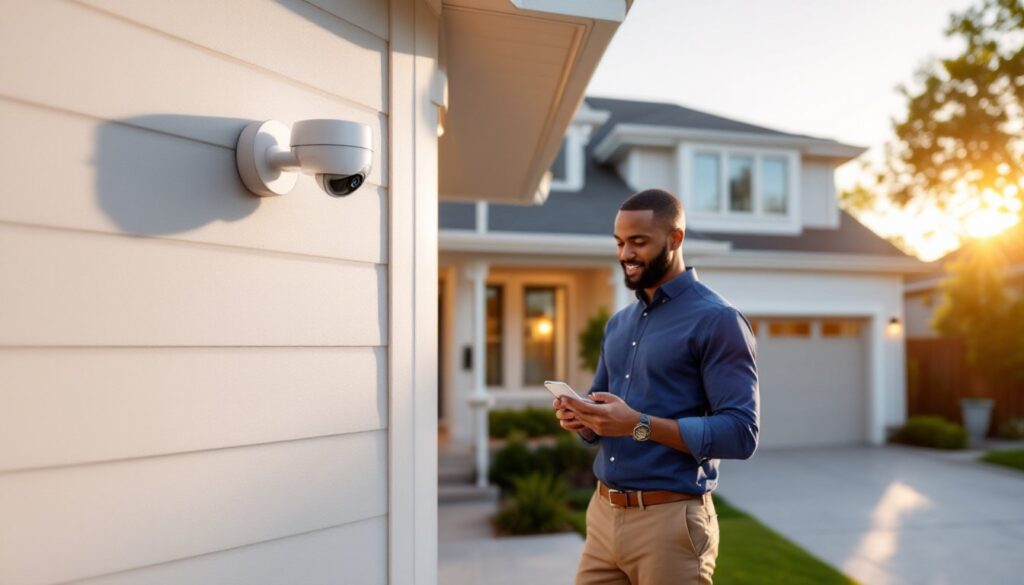
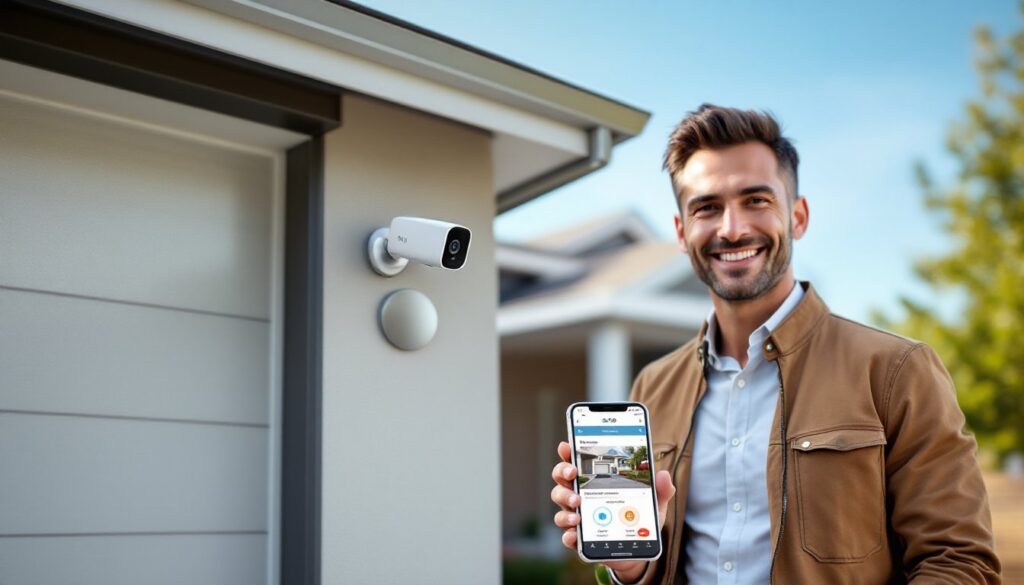
Picking a home surveillance camera system in 2026 isn’t quite the headache it used to be. Cameras are sharper, apps are smarter, and most homeowners can get a solid setup running in a weekend without hiring an installer. But the market is crowded, and not every kit lives up to its packaging. This guide walks through what a modern system actually does, how to choose the right cameras, which features are worth the extra dollars, and where most DIYers trip up during installation.
Table of Contents
ToggleKey Takeaways
- A modern home surveillance camera system uses 1080p or 4K resolution, AI motion detection, and smart home integration to provide real-time alerts and deter break-ins effectively.
- Choose between indoor cameras for monitoring interiors, outdoor cameras with at least IP65 weatherproofing for exterior coverage, and doorbell cameras to replace existing chimes.
- Wired PoE systems offer greater reliability and security than wireless setups, but wireless cameras provide faster installation and easier relocation for homeowners prioritizing convenience.
- Essential features worth the investment include 2K resolution minimum, color night vision, local storage options to avoid monthly fees, and encryption with two-factor authentication.
- Proper camera placement at entry points like front doors, back doors, garages, and first-floor windows—angled 15–30° downward—is critical for capturing facial details and preventing break-ins.
- DIY installation requires testing Wi-Fi signal strength before drilling, mounting cameras at 8–10 feet height, using exterior-grade silicone caulk for weather sealing, and changing default passwords immediately to prevent hijacking.
What a Modern Home Surveillance Camera System Actually Does
A modern home surveillance camera system does far more than record grainy footage of the front porch. Today’s setups combine 1080p or 4K cameras, AI-driven motion detection, two-way audio, and cloud or local storage into one connected ecosystem that talks to a homeowner’s phone in real time.
Most systems now distinguish between a person, a package, a vehicle, and the neighbor’s cat. That cuts down on the false alerts that made older motion-triggered cameras so annoying. Many integrate with Alexa, Google Home, or Apple HomeKit, so a camera feed can pop up on a smart display the moment someone approaches the door.
The real value, though, is deterrence. Visible cameras discourage opportunistic break-ins, while recorded footage gives police and insurance adjusters something concrete to work with.
Choosing the Right Type of Camera for Your Home
Not every camera belongs in every spot. Matching the camera to its job is the difference between a system that works and one that collects dust on a shelf.
Indoor, Outdoor, and Doorbell Cameras Compared
- Indoor cameras are smaller, cheaper, and focused on monitoring pets, kids, or interior entry points. Look for privacy shutters if anyone’s nervous about always-on lenses.
- Outdoor cameras need a weatherproof rating of at least IP65, infrared night vision, and a wider field of view (110°–160°). Mounting height matters too: 8–10 feet keeps them out of reach but still close enough for facial detail.
- Doorbell cameras replace the existing chime and cover the front entry. Most wire into the original 16–24V AC doorbell transformer, though battery-only models exist.
For a deeper jump into trigger-based recording, motion sensor cameras cover the trade-offs between PIR and radar detection in detail.
Wired vs. Wireless Setups
Wired systems run on PoE (Power over Ethernet) cable, which carries both data and power through a single Cat6 line. They’re more reliable, harder to jam, and don’t need batteries swapped twice a year. The downside: running cable through walls and soffits.
A wireless security camera is faster to install and easier to relocate, but it leans on Wi-Fi strength and battery life. Homes with thick plaster walls or detached garages often struggle with signal. Homeowners weighing reliability against convenience can compare wired security setups before committing to either side.
Key Features Worth Paying For
Specs sheets can blur together fast. These features actually matter:
- Resolution: 2K is the new baseline. 4K helps for wide driveways or zooming in on license plates.
- Night vision: Color night vision (using a low-lux sensor or integrated spotlight) beats grayscale IR for identifying faces and clothing.
- Local storage: A microSD slot or a NVR (Network Video Recorder) avoids monthly cloud fees and keeps footage on-site. A dedicated camera recorder system is worth the investment for anyone running four or more cameras.
- Two-way audio: Useful for porch pirates and delivery drivers alike.
- Encryption: Look for AES-128 or higher and two-factor authentication on the app. Reviews on Tom’s Guide consistently flag cheap no-name brands for weak security practices.
- Subscription terms: Some brands lock essential features (like person detection) behind a paywall. A eufy security camera, by contrast, stores footage locally on a HomeBase hub, which appeals to homeowners tired of recurring fees. Honest eufy camera impressions get into the trade-offs.
Planning Camera Placement Around Your Property
Camera placement decides whether a system catches a break-in or films the burglar’s shoes. Before drilling anything, walk the property and map likely approach paths.
Key zones to cover:
- Front door and porch – the single highest-traffic entry point.
- Back door and patio – often hidden from street view, making it a favorite target.
- Garage and driveway – cars, tools, and side doors live here.
- First-floor windows – especially those behind shrubs or fences.
- Detached structures – sheds and ADUs need their own coverage.
Aim cameras slightly downward (about 15–30°) to capture faces rather than the tops of heads. Avoid pointing directly into the sun or porch lights, which causes lens flare and washed-out footage. The roundup on Good Housekeeping’s tested home security cameras shows how field-of-view differences play out in real homes.
One legal note: in most US states, recording video on a homeowner’s own property is fine, but audio recording has stricter rules. Check local statutes before enabling microphones on outdoor cameras, and avoid pointing lenses into a neighbor’s yard or windows.
DIY Installation Tips and Common Mistakes to Avoid
Most camera installs are well within DIY range, but a few habits separate clean jobs from frustrating ones.
Tools to have on hand:
- Cordless drill with masonry and wood bits
- Stud finder (cameras mounted into siding still need solid backing)
- Fish tape or glow rods for running cable
- Level, pencil, tape measure
- Safety gear: goggles and a dust mask when drilling into stucco or brick
Common mistakes:
- Skipping the Wi-Fi check. Test signal strength at each mounting spot before drilling. A mesh extender solves most dead zones.
- Mounting too high. Cameras at roofline look impressive but capture nothing but hats. Stick to 8–10 feet.
- Ignoring power planning. Battery cameras need recharge access. Wired models need an outlet or PoE switch nearby.
- Forgetting weather sealing. Use exterior-grade silicone caulk around any hole drilled through siding to prevent water intrusion behind the wall.
- Weak passwords. Default logins are how cameras get hijacked. Change them immediately and enable 2FA.
For a step-by-step walkthrough with wiring diagrams, the DIY camera install guide covers everything from drilling angles to PoE configuration. Homeowners comparing pre-bundled kits before committing can also weigh the Blink whole-home bundle against piecing together cameras individually. Trend coverage on Digital Trends is helpful for tracking which platforms are gaining real traction versus quietly being abandoned.
Final Thoughts
A good home surveillance camera system pays for itself the first time it answers the question, “What was that noise out back?” Start small, prioritize entry points, and pick gear that fits the home’s layout rather than the flashiest box on the shelf. With reasonable prep and the right tools, most homeowners can have a reliable system up and running in a single weekend, no contractor required.