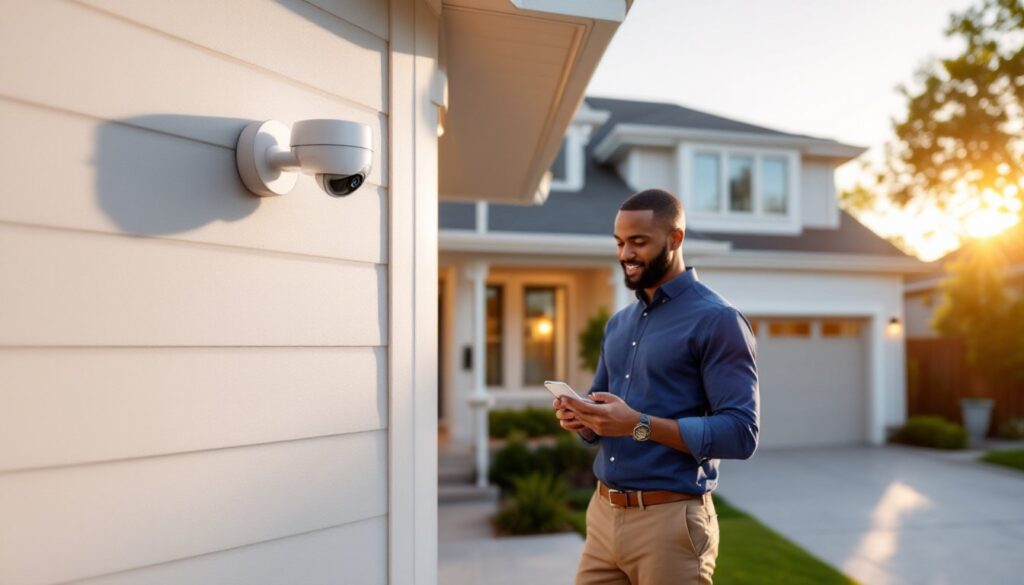
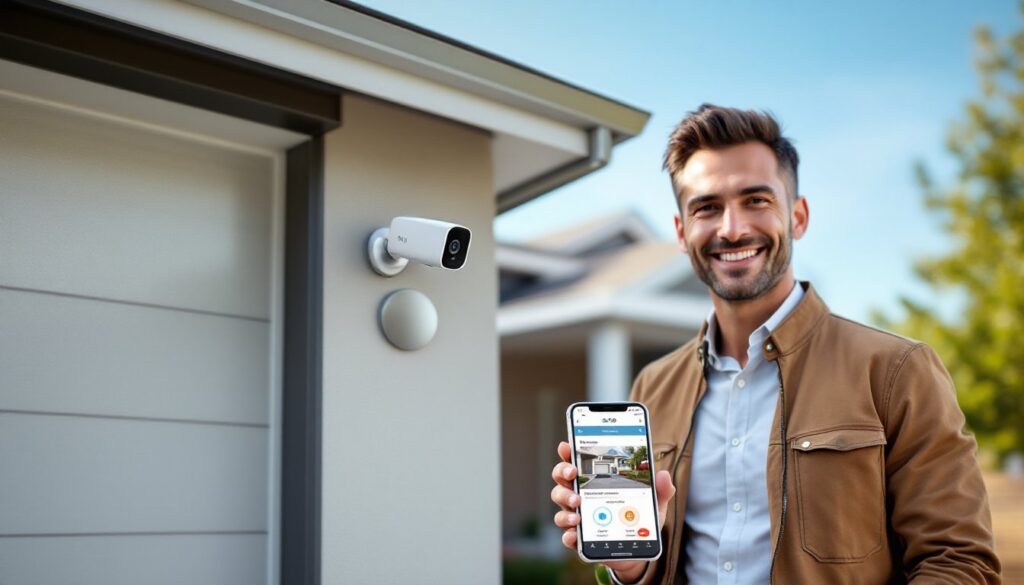
A home camera system is no longer a luxury, it’s become practical protection that most homeowners consider essential. Whether you’re concerned about package theft, monitoring entry points, or simply keeping an eye on your property while away, a home security camera system can provide peace of mind and documented evidence if something goes wrong. The good news? Installing one doesn’t require hiring a professional or spending thousands of dollars. Modern systems are designed for DIY installation, with options ranging from simple wireless security cameras you can mount in minutes to more sophisticated setups that integrate with your smart home. This guide walks you through everything a homeowner needs to know about choosing, installing, and maintaining a house camera system.
Table of Contents
ToggleKey Takeaways
- Homes with security systems are 2.7 times less likely to experience break-ins, making a house camera system an effective deterrent that also provides documented evidence for insurance and law enforcement.
- Wireless security cameras are the most popular choice for DIY homeowners because they require no drilling or cable routing, though battery maintenance every 3–6 months is essential for long-term reliability.
- Optimal camera placement at entry points—positioned at eye level and angled 15–30 degrees downward—captures faces rather than silhouettes and is 80% of a successful house camera system installation.
- Resolution needs vary by purpose: 1080p suffices for porch monitoring, while 2K or 4K is necessary for license plate capture in larger yards or long sightlines.
- A modest setup of two to four cameras at vulnerable entry points (front door, side gate, garage, deck) covers 90% of most homeowners’ security needs without professional installation costs.
- Clean camera lenses monthly and maintain strong WiFi connectivity to prevent video quality degradation and missed motion alerts.
Why Install A Home Camera System
Visible security cameras act as a deterrent, thieves typically avoid homes with obvious monitoring. A study from the Insurance Institute for Highway Safety found that homes with security systems are 2.7 times less likely to experience break-ins than unprotected ones. But deterrence is just the start.
Documentation matters. If an incident does occur, you have recorded evidence that helps law enforcement and insurance adjusters. Footage of package thefts, vandalism, or trespassing becomes concrete proof instead of your word against theirs. Many homeowners also appreciate the ability to monitor activity in real-time, checking on a delivery, watching for service appointments, or verifying who’s at the door while you’re away.
A security camera system also integrates naturally into modern smart homes. You can receive motion alerts on your phone, view live feeds from anywhere, and even talk through two-way audio to deter trespassers without being home.
Types Of Home Camera Systems
Wired Vs. Wireless Options
Wired systems run power and data cables to each camera. They offer constant power (no battery maintenance), tend to be more reliable in harsh weather, and typically allow higher resolution recording. But, installation involves running cables through walls, drilling holes, and routing them to a central recorder, this is the trade-off for reliability.
Wireless security cameras are the most popular choice for DIY homeowners. They run on batteries or solar power and transmit footage via your home WiFi network. No drilling. No conduit. Just mount the camera, connect it to your phone app, and you’re done. The downside? Battery life demands periodic maintenance, and your system depends on WiFi strength.
A hybrid approach works too: battery-powered cameras at entry points paired with a wireless security camera system for broader coverage. Many homeowners also turn to dedicated brands like Eufy for their reliable balance of ease-of-use and no monthly subscription fees, Eufy security cameras are particularly popular for DIY installers because they work independently without relying on cloud storage.
Consider cloud-based systems (like Arlo or Blink) versus local storage. Cloud systems sync footage to servers automatically, giving you access anywhere but requiring an internet connection and monthly fees. Local storage keeps everything on your property, eliminating subscription costs but requiring manual backup.
Key Features To Look For
Resolution matters, but clarity depends on placement. A 1080p camera works fine for monitoring a porch: capturing a vehicle license plate requires 2K or 4K. Expect 1080p at entry points, upgrade to 2K+ for larger yards or long sightlines.
Night vision capability is essential. Infrared (IR) night vision shows black-and-white footage: color night vision uses ambient light but costs more. Most homeowners find IR sufficient for detecting movement and basic identification.
Field of view (FOV) determines how much area one camera covers. Standard is 110–130 degrees: wide-angle lenses (160+ degrees) cover more space but can distort edges. A motion sensor security camera with adjustable motion zones helps reduce false alerts from passing traffic or branches.
Weather resistance matters outdoors. Look for IP65 or higher ratings (IP66 is better). Your camera will face rain, heat, cold, and UV exposure, cheap plastic housings fail quickly. Two-way audio lets you speak through the camera, useful for scaring off trespassers or communicating with delivery drivers.
Mounting options vary. Wall mounts work for most installations: corner or soffit mounts suit different eaves. Some systems include adjustable ball-joint mounts for precise aiming.
Installation Basics For DIY Homeowners
Placement is 80% of success. Before mounting anything, walk your property and identify vulnerable entry points: front door, side gate, garage, deck, and blind corners. Aim cameras to catch faces, not just silhouettes, position them at eye level or slightly above, angled downward 15–30 degrees for optimal facial recognition.
Avoid backlighting. A camera pointed at a bright window or sunset sees only a dark shadow. Also, keep cameras away from direct sun glare, which washes out daytime footage.
Tools you’ll need: A drill with bits appropriate for your siding material (wood, vinyl, stucco, or brick), a stud finder for solid mounting points, a level, a screwdriver (Phillips and flat-head), and a ladder or step stool. For outdoor work, wear safety glasses to protect your eyes from dust.
Mounting steps (wireless cameras):
- Choose a spot 8–12 feet high, protected from rain if possible (under an eave beats full exposure)
- Use a stud finder to locate solid framing behind siding
- Drill a pilot hole slightly smaller than your mounting bracket screws
- Install the mounting bracket and tighten screws snugly, avoid over-tightening plastic housings
- Attach the camera to the bracket and aim using the ball joint
- Power on the camera and connect to your WiFi via the manufacturer’s app
For wired systems, route cables through existing conduit where possible. If drilling through walls, use a fish tape to pull wires without damage and drill perpendicular to studs to avoid electrical lines. Always use a stud finder and check for hidden wiring before drilling. If you hit a wall cavity, stop and reassess.
Mount a security camera recorder in a protected indoor location, a closet, basement corner, or utility room works well. Ensure it has adequate ventilation and stable power (consider a UPS battery backup for power outages).
Maintenance And Monitoring Tips
Clean camera lenses monthly with a soft, dry cloth. Dust and spider webs degrade footage quality faster than you’d expect. For outdoor cameras, check mounting bolts seasonally, vibration from wind or temperature changes can loosen fasteners.
Battery maintenance is the biggest ongoing task for wireless systems. Most modern wireless cameras (even solar-powered ones) need battery checks every 3–6 months. Replace alkaline batteries proactively rather than waiting for low-battery alerts. Rechargeable models are more convenient long-term, though initial cost runs higher.
Review recorded footage monthly, even if nothing suspicious occurred. Familiarize yourself with what normal activity looks like on your property. This helps you recognize unusual patterns and adjust motion detection sensitivity to reduce false alerts.
Storage strategy: For cloud systems, understand your subscription limits, most offer 24–30 days of rolling history in the free tier. Paid plans extend this to 90 days or more. For local recorders, calculate storage needs: a 2TB drive stores roughly 30 days of 1080p footage from three cameras, depending on compression settings. Larger systems need 4TB–8TB drives and periodic backups.
Keep your WiFi network strong. Position your router centrally if possible, or install a mesh WiFi system for larger homes. Weak signals cause video buffering and missed alerts. Test your camera’s connectivity after storms or WiFi changes.
Familiarize yourself with manufacturer alerts and app notifications. Disable motion alerts for times when you expect activity (delivery windows, landscaping appointments), but stay alert during high-risk hours (dusk and late night are when most break-ins occur).
Conclusion
A well-chosen home camera system combines deterrence, documentation, and peace of mind without requiring professional installation. Start with clear placement, invest in decent optics and weather resistance, and maintain your gear regularly. Whether you choose wired reliability or wireless convenience, your system succeeds when it’s actually working, so pick something you’ll monitor and maintain consistently. Most homeowners find that a modest setup (two to four cameras at entry points) covers 90% of their security needs at a fraction of professional installation costs. Add it to your property’s protection plan and sleep better knowing you’ve got eyes on your home.