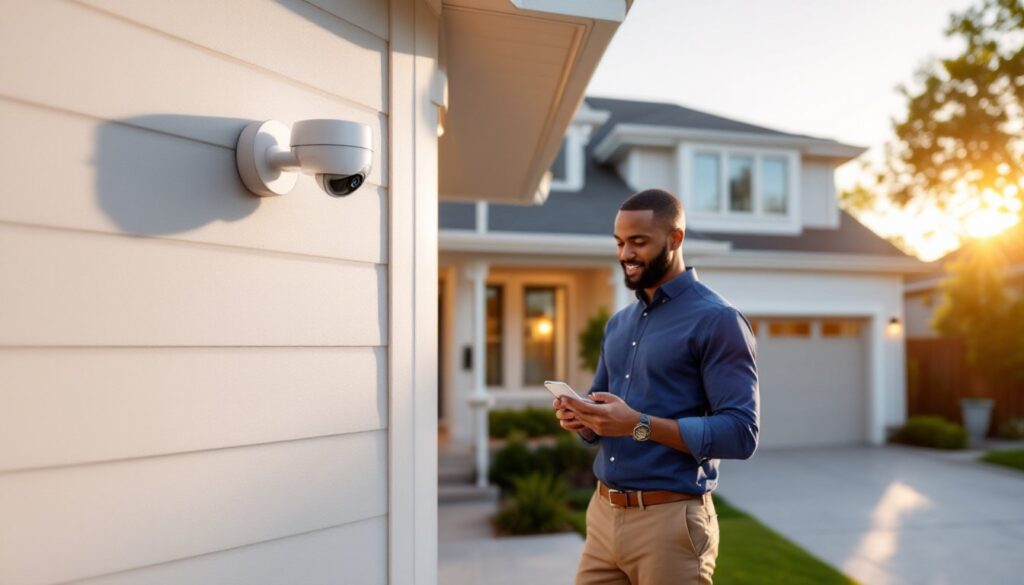
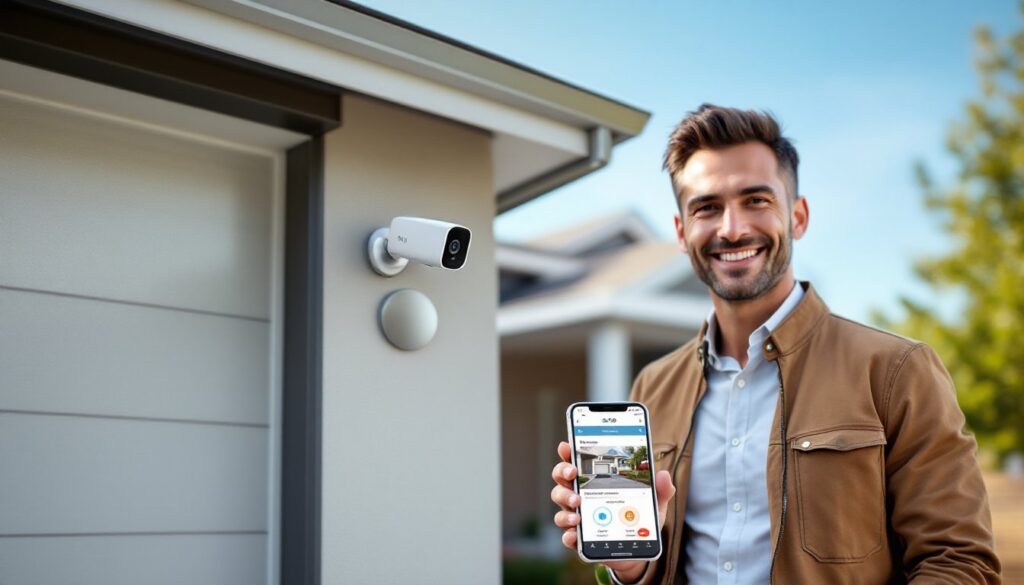
If you’re thinking about adding a smart home security camera to your house, you’re making a solid choice. With thousands of break-ins and package thefts happening every day, having eyes on your property matters, and modern smart cameras make it easier than ever. Unlike the clunky surveillance systems of the past, today’s smart home security cameras are affordable, simple to install, and integrate seamlessly with platforms like Alexa and Google Home. Whether you’re monitoring your front door, keeping an eye on the backyard, or checking in while you’re away, this guide walks you through everything you need to know to pick the right system for your home.
Table of Contents
ToggleKey Takeaways
- A smart home security camera deters thieves, provides evidence for police, and helps monitor packages, pets, and contractors—making it a cost-effective force multiplier for home security.
- Smart home security cameras require 1080p minimum resolution for face identification, with 2K or 4K reserved for detailed recording; pair infrared night vision with 25–30 feet range to cover doorways and outdoor spaces effectively.
- Indoor cameras suit entryways and living areas for $50–$150, while outdoor models ($80–$300+) need IP65–IP67 weather resistance; choose between wired power (reliable) or battery-powered (flexible for renters) based on your installation preferences.
- Setup takes 15–30 minutes; prioritize security by changing default passwords, enabling two-factor authentication, updating firmware regularly, and verifying your Wi-Fi uses WPA3 encryption to protect against camera hacking.
- Choose between cloud storage (monthly fee, accessible anywhere) and local storage on SD cards or NAS (no subscription, home-only access); motion sensor security cameras reduce storage costs by recording only when movement is detected.
- Clean camera lenses monthly, replace wireless batteries every 3–6 months (faster in cold weather), and inspect weatherstripping on outdoor units annually to maintain image clarity and weatherproofing.
What Is a Smart Home Security Camera and Why You Need One
A smart home security camera is a connected device that streams video footage to your phone, tablet, or computer in real time, no wires to your TV required. Most modern models include infrared night vision, motion detection, and two-way audio so you can speak through the camera. They range from simple stationary models to advanced options with AI-powered person detection and automatic tracking.
You need one because they act as a force multiplier for your home security. A visible camera deters thieves and package pirates before they strike. If something happens, you’ve got recorded evidence for police. And between security, package delivery oversight, and checking on pets or contractors, you’ll find yourself using the footage far more than you expect. The monthly cloud storage costs are typically under $5 if you choose that route, or you can skip the cloud entirely with local storage options that don’t need a subscription.
Choosing Between Indoor and Outdoor Cameras
Not all cameras work everywhere. Indoor and outdoor models serve different purposes and handle different conditions.
Indoor Options and Best Placement
Indoor cameras are smaller, often without weatherproofing, and designed for tight spaces. Common placements include:
- Entryways and hallways – Capture who’s entering your home and movement patterns.
- Living rooms or main areas – Monitor activity when you’re away or sleeping.
- Nurseries and bedrooms – For parents checking on kids without opening the door.
- Garages – Watch for tool theft and monitor vehicle activity.
Indoor models typically cost $50–$150 and don’t need external power wiring if you choose battery-powered options. But, placement still matters: avoid backlighting (windows behind the camera), and position cameras high on shelves or mounts to capture faces, not the tops of heads. Many homeowners pair an Arlo wireless security camera indoors with an outdoor unit for complete coverage.
Outdoor Options and Weather Considerations
Outdoor cameras are built tough: IP65–IP67 ratings mean they resist rain, dust, and temperature swings. Common outdoor spots include:
- Front doors and porches – The most critical spot: captures package deliveries and visitors.
- Garage entrances – Vehicle break-ins and foot traffic.
- Back doors and patios – Covers blind spots on your property.
- Corners of the house – Wider coverage without camera overlap.
Outdoor models run $80–$300+ depending on resolution and features. You’ll face a choice between wired (reliable power, cleaner install, may need conduit) and wireless battery-powered units (easier installation, battery management every 3–6 months). Wired cameras work best if you can run power lines during a renovation: wireless cameras suit renters and those unwilling to drill exterior walls. Weather-resistant casing, UV-resistant lens covers, and proper mounting angles (avoiding direct sun glare) all extend lifespan. A wireless security camera outdoors gives you flexibility without requiring an electrician.
Key Features to Compare: Wi-Fi, Resolution, Storage, and Power
When comparing smart home security cameras, focus on these core specs:
Resolution – 1080p is the minimum for identifying faces. 2K (2560×1440) or 4K (3840×2160) gives sharper detail but chews through storage and bandwidth. For most homeowners, 1080p or 2K is the sweet spot.
Night Vision – Infrared (IR) illumination lets cameras see in complete darkness. Check the range: 25–30 feet covers most residential doorways and porches.
Frame Rate – 24 fps is standard: 30 fps smooths motion. Anything below 15 fps feels choppy.
Wi-Fi Standards – 5GHz dual-band Wi-Fi is faster and less congested than 2.4GHz alone, though it has shorter range. Ensure your router supports the camera’s frequency.
Storage Options – Cloud storage (monthly fee, accessible anywhere) versus local storage on an SD card or NAS (no subscription, but footage only available at home). Many cameras support both.
Field of View (FOV) – A 120–150° field covers most doorways without distortion. Ultra-wide (160°+) shows more but introduces fisheye warping. For narrow hallways or entryways, standard angles are cleaner.
Power Source – Wired cameras need a 12V power supply or USB outlet. Battery-powered models offer flexibility but require charging or battery swaps. Some use solar charging panels to stay topped up year-round. When shopping, motion sensor security cameras reduce recording and storage by only capturing footage when movement triggers the sensor.
Installation, Setup, and Smart Home Integration
Most smart home security cameras take 15–30 minutes to set up. Here’s what to expect:
Physical Installation – For wireless models, find a secure mount using provided brackets and hardware. For wired units, you may need to drill mounting holes and run power cables or conduit. Use a stud finder if mounting on siding over framing: for masonry, use concrete anchors rated for the camera’s weight plus margin.
Network Connection – Download the camera maker’s app, add the device, and connect to your Wi-Fi. The camera will ask for your network credentials. Use your 2.4GHz band if the camera doesn’t support 5GHz, or switch to 5GHz if you have strong signal.
Smart Home Integration – Most cameras work with Alexa, Google Home, or Apple HomeKit. After setup, ask your voice assistant to show the camera’s feed on smart displays, or create automations (e.g., “turn on the porch light when the camera detects motion”). A DIY security camera system approach lets you avoid proprietary subscriptions and maintain control over your data.
Cloud vs. Local – If using cloud storage, create a strong, unique password and enable two-factor authentication. If using local storage, test the SD card compatibility and check how often footage is overwritten. Recent studies show smart home security camera automation expands functionality beyond basic recording, triggering alerts, adjusting lighting, and even unlocking doors on command.
Security, Privacy, and Maintenance Essentials
Having a camera watching your home is only useful if it’s secure itself.
Change default passwords immediately – Use a strong password (16+ characters, mix of uppercase, lowercase, numbers, and symbols). Thousands of cameras get hacked yearly because owners skip this step.
Update firmware regularly – Manufacturers release patches for vulnerabilities. Check the app weekly for updates, or enable auto-update if available.
Verify network security – Ensure your home Wi-Fi uses WPA3 encryption (or WPA2 if WPA3 isn’t available). Never use open or WEP networks for cameras.
Privacy considerations – If you’re recording audio, check local laws: many states require consent from all parties. For neighbors’ properties, aim cameras to minimize capture of adjacent yards or homes.
Maintenance – Clean lenses monthly with a soft, dry cloth to prevent dust buildup (it kills image clarity). Check for condensation inside the lens: if present, the seal may be failing. For outdoor units, inspect weatherstripping annually and reapply exterior sealant if gaps appear. Replace batteries in wireless models every 3–6 months depending on activity levels: cold weather drains batteries faster. When choosing among options, Eufy security camera models emphasize local storage and privacy-first design, and best budget security cameras provide solid protection without monthly fees if you’re willing to manage storage yourself. For comprehensive guidance, refer to major tech reviews like those at Digital Trends for the latest smart home camera comparisons.