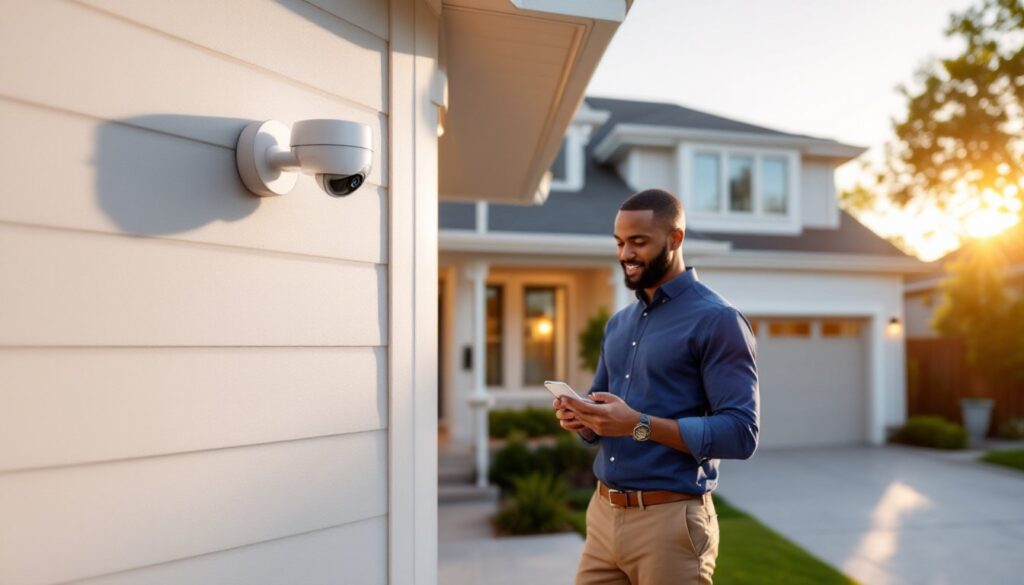
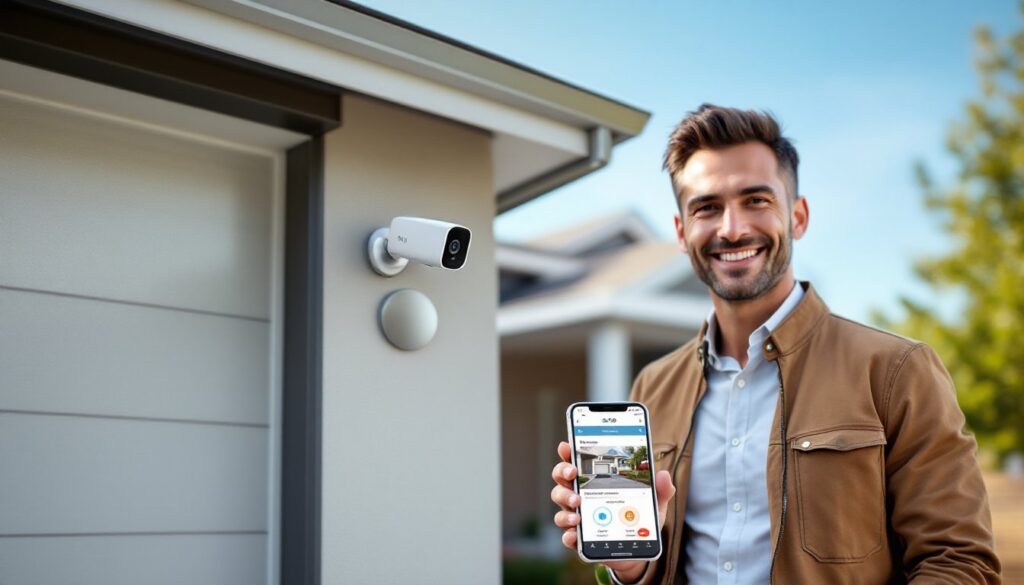
Wireless outdoor security cameras have become a practical necessity for homeowners looking to protect their properties without the complexity of running cables or hiring a professional install crew. Unlike older wired systems, today’s wireless outdoor cameras mount quickly, integrate with your smartphone, and keep an eye on your home from virtually anywhere. Whether you’re concerned about package theft, monitoring a side entrance, or keeping tabs on your driveway, understanding what to look for and how to set up these systems will save you time and frustration. This guide walks you through the essentials, from choosing the right camera to getting it operational on your own terms.
Table of Contents
ToggleKey Takeaways
- Wireless outdoor security cameras eliminate installation complexity by requiring no cables, permits, or electricians, allowing homeowners to mount and connect a system in under an hour.
- Battery life (3–6 months), WiFi connectivity (consider dual-band or hub support for extended range), and field of view (130–150° standard) are critical specs that directly impact usability and reliability.
- Proper mounting at 8–10 feet high with a 20–30° downward angle captures clear facial features while discouraging tampering, and placement near routers or mesh nodes prevents connectivity drops.
- True Night Vision or ColorNight technology delivers superior low-light footage compared to standard infrared, while IP65+ weather ratings and temperature checks ensure durability in outdoor conditions.
- Integrating wireless outdoor security cameras into a smart home hub enables automations, unified dashboards, and hybrid cloud-local storage, providing both convenience and redundancy if internet drops.
- DIY installation requires only basic tools and careful attention to water-sealing fasteners, leveling, and WiFi range testing—tasks most homeowners can complete confidently in an afternoon.
Why Wireless Outdoor Cameras Are Essential for Modern Home Security
A wireless outdoor security camera eliminates the biggest pain point of older surveillance setups: running cables through walls, attics, and conduit. You don’t need permits, licensed electricians, or holes drilled through your siding. Mount one on a soffit, pole, or corner bracket, connect it to WiFi, and you’re up and running in under an hour.
These cameras act as a visual deterrent and evidence collector. Potential thieves see the camera and often move on to easier targets. If something does happen, a break-in, package theft, or unwanted visitors, you’ve got footage recorded locally or to the cloud. Most wireless outdoor cameras store clips on-device or through a companion app, letting you review incidents without digging through hours of footage.
Another reason homeowners favor wireless models: flexibility. If the current mounting location isn’t working, you unbolt it and move it. No trenching, no rerouting cables, no expensive re-configuration. That adaptability is especially valuable as your needs change, a camera watching the front door can pivot to monitor a garage, backyard, or blind corner.
Key Features to Look For When Choosing a Wireless Outdoor Camera
When evaluating wireless outdoor security cameras, focus on specs that directly impact usability and reliability. Battery life matters: most modern units run 3–6 months per charge on standard AA or rechargeable batteries, but some power-hungry models drain faster. Check the manufacturer’s claims and read real reviews, marketing numbers are often optimistic.
Connectivity is another critical factor. WiFi range varies wildly. If your router is 50+ feet away or separated by multiple walls, a standard 2.4GHz camera might struggle. Some units support dual-band (2.4GHz and 5GHz), which can help. Others let you connect via a hub or bridge device, extending range significantly. And wireless security cameras shouldn’t require your home WiFi alone, look for models that work offline or use local storage so footage isn’t lost if your internet drops.
Field of view (FOV) determines how much ground the camera covers. A 130–150° horizontal FOV is standard: some offer 180° or ultra-wide angles, which catch more but can introduce distortion at the edges. Think about what you’re actually trying to monitor: a driveway needs a narrower, deeper view, while a backyard benefit from wider coverage.
Resolution, Night Vision, and Weather Resistance
Resolution sets image clarity. 1080p is entry-level and acceptable for most use cases, you can identify faces and vehicle details at reasonable distances. 2K (2560×1440) or 4K deliver sharper images, especially useful if you’re reviewing footage for identification or legal reasons. That said, they consume more bandwidth and storage.
Night vision is non-negotiable for an outdoor camera. Infrared (IR) LEDs illuminate the scene in darkness, but they wash out color and can’t see beyond their range. Look for True Night Vision or ColorNight technology, which uses larger sensors and AI processing to capture color footage in low light. It’s not perfect, but it’s far better than grayscale IR alone. Test the night mode in product reviews, claims vary significantly.
Weather resistance is marked by IP ratings. IP65 is solid for rain and dust: IP67 adds submersion tolerance (brief dunking). Avoid anything below IP64 for outdoor use. Temperature ratings matter too, if you live somewhere it drops below freezing, check that the unit operates safely in those conditions. Some batteries perform poorly in cold, so seasonal adjustments may be needed.
Installation and Setup: A DIY-Friendly Approach
Most wireless outdoor cameras are designed for DIY installation, and they should be. Here’s the general workflow:
Preparation. Choose your mounting location (more on that in the next section) and gather tools: a cordless drill with bits, a level, and appropriate fasteners, usually lag bolts or expansion anchors depending on your siding or trim material. Have your WiFi network name and password ready, plus the camera’s companion app downloaded to your phone.
Physical installation. Drill holes slightly smaller than your fasteners to prevent oversized gaps and water intrusion. Mount the bracket firmly, a heavy gust or vibration can loosen it over time. Use a level to ensure the camera isn’t tilted, especially if it’s a pan-tilt model where angle affects its field of view. Tighten all screws and bolts, but don’t over-torque and crack plastic housings.
Power and connectivity. Insert batteries (if battery-powered) or connect to power (if a plug-in model). Most cameras emit a startup chime or light sequence indicating they’re ready. Open the companion app, scan the camera’s QR code if it has one, and let the app guide you through network connection. This typically involves selecting your WiFi network and entering credentials. The camera will indicate when it connects successfully.
Testing. Once online, test live view, video recording, and any alerts (motion detection, person detection, etc.). Walk in front of the camera and verify it’s capturing motion. Adjust notification settings so you’re not spammed with false alerts. Most modern units let you set detection zones, so the camera ignores trees blowing or passing traffic and alerts only to people or vehicles in areas you care about.
If you’re uncomfortable with any step, especially drilling into stucco, brick, or composite siding, a second pair of hands or a handyperson can handle it in an afternoon for a modest fee. Don’t skip this work: poor mounting leads to misalignment, loose connections, and water damage.
Best Practices for Placement and Coverage
Mounting height and angle are the difference between a camera that catches thieves and one that captures the sky. Aim for 8–10 feet high for most entry points, high enough to discourage tampering, low enough to capture clear facial features. A camera aimed downward at 20–30° is ideal: straight horizontal or too steep creates shadows and poor angles.
Cover the most valuable access points first: front door, garage entry, and side gates. These are common targets. If budget allows, add cameras overlooking yard blind spots, areas visible from the street that burglars scout from. A camera watching the back corner of your house or the far side of the detached garage fills gaps a front-door camera can’t see.
Avoid direct sunlight and overhead glare when possible. Bright sun behind a subject (backlighting) darkens their features and makes identification harder. Position cameras in slight shadow or use a mounting bracket with a sunshade if needed. Similarly, avoid pointing straight at strong light sources like porch lights, which create glare and washout.
For WiFi range, position cameras near your router or a mesh node. Wireless outdoor cameras can sap bandwidth, especially if recording continuously or streaming 4K. A dedicated mesh system or a separate access point in the garage or covered porch extends range and improves performance. If your home WiFi is weak, consider arlo wireless security cameras or models with hub support, which provide more flexible placement.
Test the actual range before finalizing placement. Many homeowners mount a camera, realize it keeps dropping connection, and have to relocate it. A quick test with your phone’s signal strength or a WiFi analyzer app saves frustration later.
Integrating Wireless Cameras Into Your Home Security System
A standalone wireless outdoor security camera is useful, but it’s even more powerful as part of a broader home security ecosystem. Most modern home security hubs, whether from Ring, Eufy, Vivint, or other providers, integrate multiple camera types seamlessly. When you add a camera to a hub, automations become possible: motion alerts trigger interior lights, recordings are backed up centrally, and you get a unified dashboard instead of juggling three separate apps.
Consider how your home security camera integrates with existing devices. Does it support IFTTT (If This Then That) automation? Can it trigger smart lights, locks, or sirens? Smart home security cameras increasingly offer AI features, person detection, package recognition, or familiar face alerts, which reduce false alarms and focus your attention where it matters.
Cloud storage and local storage are both important. Cloud backup protects you if the camera is stolen or destroyed, but local storage (on the device or a dedicated server) keeps footage safe if your internet is out. Many systems offer hybrid approaches: record locally and sync to cloud when connected. This dual redundancy is the most reliable approach.
For larger homes, consider the bandwidth and management burden. Five or six wireless outdoor cameras can consume significant WiFi resources. Invest in a strong mesh network or a dedicated WiFi 6 router if camera performance lags. A system that’s too slow to stream live video defeats its purpose.
Conclusion
Wireless outdoor security cameras put home protection within reach of any homeowner willing to spend an afternoon on installation. Pick a camera that matches your needs, balancing resolution, night vision, battery life, and weather rating. Mount it thoughtfully, connect it to a reliable WiFi network, and integrate it into your broader home security setup. The combination of visibility, deterrence, and recorded evidence makes these systems a smart investment, and today’s models are simpler to set up than ever before.