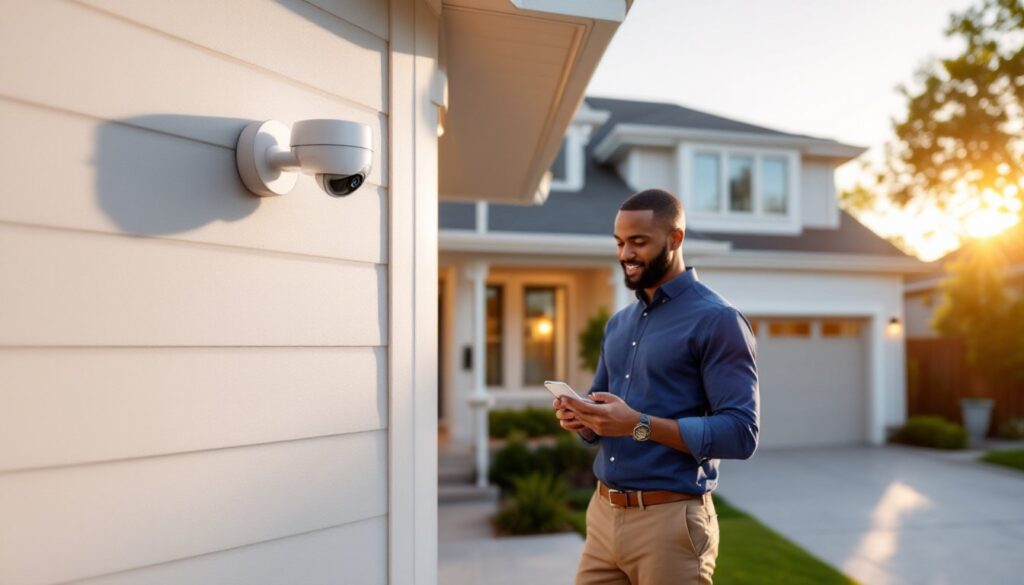
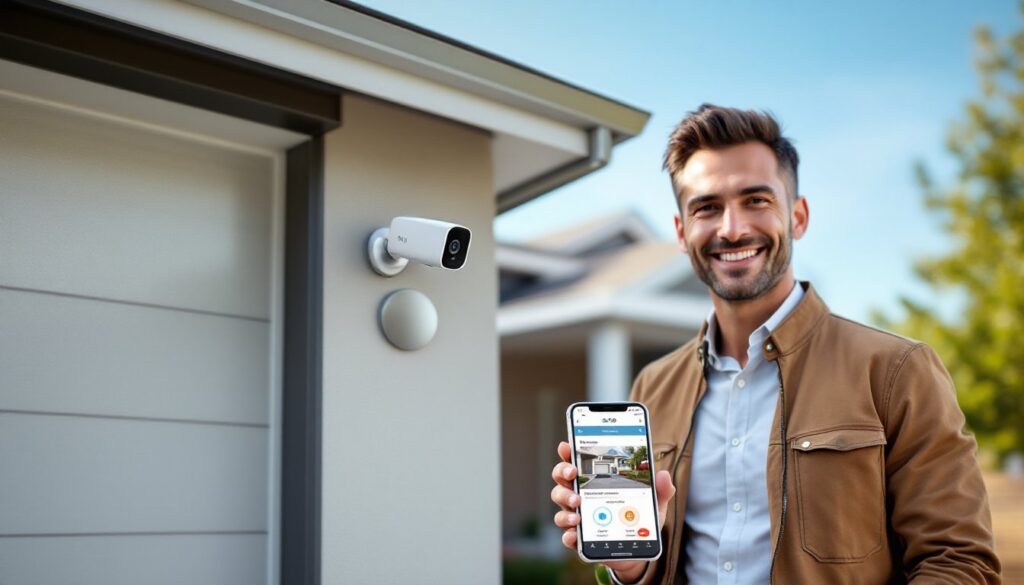
Outdoor surveillance cameras have become an essential part of home security, transforming how homeowners protect their properties around the clock. Unlike indoor cameras that catch activity inside your living space, security cameras for outside monitor perimeters, driveways, and entryways, the areas where most property crimes begin. Whether you’re concerned about package theft, break-ins, or simply want peace of mind when you’re away, top rated home security cameras deliver both deterrence and documentation. This guide walks you through what matters most when choosing outdoor surveillance cameras, from weatherproofing to night vision, so you can make an well-informed choice that fits your home’s specific needs and your budget.
Table of Contents
ToggleKey Takeaways
- Outdoor surveillance cameras serve as both visible deterrents and investigative tools, with most property crimes occurring between 6 p.m. and 6 a.m., making night vision capability essential for effective home security.
- Weather resistance (IP65 rating or higher) and durable housing materials like aluminum or stainless steel are critical for outdoor surveillance cameras to withstand rain, snow, and temperature extremes across seasons.
- Video resolution of 1080p minimum is necessary for outdoor cameras to capture identifiable faces for investigative purposes, with 2K or 4K providing superior detail without digital zoom degradation.
- Installation method matters operationally: wired cameras offer reliable power with no battery anxiety, while wireless and solar options provide flexibility but may suffer from Wi-Fi dead zones or climate limitations.
- Start with a single well-placed outdoor surveillance camera covering your entry point or driveway rather than overbuilding your system, then expand as needed to avoid unnecessary maintenance and waste.
- Budget $150–400 for quality single outdoor cameras or $600–2,000 for complete multi-camera systems, prioritizing weather sealing and night vision over brand name for long-term performance.
Why Outdoor Security Cameras Matter for Home Protection
Home security starts at the perimeter. Outdoor surveillance cameras act as both a visible deterrent and an investigative tool, thieves avoid properties they know are monitored, and when incidents do occur, footage provides police with hard evidence. Most property crimes happen between 6 p.m. and 6 a.m., which is exactly why night vision capability matters so much on outdoor equipment.
When you install security cameras on your property, you’re not just recording: you’re creating a timeline of events. Package theft alone costs Americans billions annually, and in many cases, the thief never faces consequences because there’s no proof. Security cameras for outside change that equation instantly. Homeowners who’ve experienced theft often become advocates for outdoor surveillance, citing the peace of mind as invaluable.
Beyond theft deterrence, outdoor cameras help with legitimate concerns like monitoring children playing in the yard, tracking weather damage, or documenting neighbor disputes. They’re particularly valuable if you’re renovating, contractors and material suppliers often want proof of project progress. Knowing someone is watching also encourages guests and service professionals to behave more carefully around your property.
The real power comes from combining visible awareness with continuous monitoring. Even a single outdoor camera covering a driveway or entry point changes behavior on your property and provides peace of mind when you’re sleeping or traveling.
Key Features to Look For in Outdoor Surveillance Cameras
Not all outdoor security cameras are created equal. Before you compare models, understand the features that separate quality equipment from budget alternatives that’ll disappoint you in six months.
Weather Resistance and Durability
Outdoor equipment lives in rain, sun, snow, and wind. Look for cameras rated IP65 or higher on the ingress protection scale, this rating means dust-tight and protected from low-pressure water jets from any direction. Anything less and you’re risking water infiltration into electronics.
Temperature range matters too. If you live somewhere cold, a camera rated to -4°F (-20°C) will function reliably in winter, while a unit rated only to 32°F won’t. The housing material should be either aluminum or UV-resistant polycarbonate, both shed weather better than cheap plastic that becomes brittle in sun.
Mounting hardware should be stainless steel or corrosion-resistant. Cheap steel bolts rust and fail within two seasons. Seals around cable entries prevent water from wicking along wires into your power supply or recorder. When you’re evaluating top rated home security cameras, check the warranty, reputable manufacturers back outdoor equipment for at least two years.
Video Quality and Night Vision
1080p minimum for outdoor work. At 720p, faces become unrecognizable beyond 15 feet, which defeats the investigative purpose. 2K (2560×1440) or 4K cameras capture more detail without needing zoom, which degrades image quality. Remember: most security systems rely on motion detection and alerts, so you’re watching clips, not live stream all day, higher resolution pays dividends in post-event review.
Night vision comes in two flavors. Infrared (IR) LEDs use invisible light and produce grayscale images, they’re the industry standard, affordable, and reliable to about 30 feet. Color night vision uses visible light and a low-light sensor to capture color footage at night: it’s newer, more expensive, but reveals details like clothing color that IR misses. Experts highlight that resolution.
Flexibility in angle of view matters. A 90-degree fixed lens covers a garage entrance well. A 120–140 degree wide angle captures an entire driveway or patio. Some outdoor cameras include motorized pan-tilt-zoom (PTZ), but these add complexity and cost, fixed lenses are simpler and more reliable. Field of view, low-light performance, and frame rate (30fps is standard: 60fps smoother) all factor into your choice.
Installation and Setup Considerations
Installation difficulty varies wildly. Wired cameras require running cable from your recorder to each outdoor location, this often means drilling holes through walls, which many homeowners find intimidating but is straightforward with a drill and proper caulking. You get reliable power and no battery anxiety.
Battery-powered or solar cameras skip the hardwiring but add maintenance. Batteries deplete faster in cold weather and during high activity periods. Solar panels help extend run time but work poorly in northern climates or under eaves. Budget $200–400 more for solar-powered top rated home security cameras compared to wired.
Wireless cameras connect via Wi-Fi and may or may not need power cables. Check your router’s distance and signal strength before buying, concrete walls and metal gutters kill Wi-Fi range. Many homeowners discover their outdoor mounting point sits in a dead zone and then regret not running a hardwire.
Mounting height and angle affect what you capture. Eight to ten feet high is standard, this deters tampering and captures faces from vehicle-height angles. Angle the camera slightly downward (15–20 degrees) to catch faces without glare from the sky. Avoid pointing directly at neighbors’ windows for privacy and legal reasons.
Power sources matter operationally. If your camera loses internet connectivity or power, do you still get alerts? Some systems cloud-record: others require a local NVR (network video recorder) or DVR. Local storage means your footage stays on your property even if your internet goes down, important during emergencies. Most DIY installations benefit.
Choosing the Right Camera Type for Your Home
Dome cameras are compact, less conspicuous, and weatherproof by design. The curved housing sheds rain naturally and makes it hard for someone outside to tell which direction the lens points. They mount flush to ceilings or walls and blend better than bullet-style cameras.
Bullet cameras are cylindrical and clearly visible from a distance, their obvious presence deters behavior more aggressively than domes. They’re excellent for long sightlines like covering a driveway from 40 feet away. Mounting is straightforward with an arm bracket.
Turret cameras split the difference: compact, visible, with good weather sealing and flexible aiming. They’ve become popular for residential work because they look less industrial than bullets and offer better angle adjustment than domes.
PTZ (pan-tilt-zoom) cameras move and zoom but cost $400–1,200 and require skilled setup. They’re overkill for most homes unless you’re monitoring large acreage or a property with multiple angles to cover.
Start by identifying what you actually need to monitor. A single camera covering your front door entry point might be all you need for basic protection, you don’t need cameras pointing at every square inch of your yard. Overbuilding creates maintenance burden and wastes money. Motion sensor security cameras. Consider this feature alongside your basic camera choice.
Budget realistically: solid single outdoor cameras run $150–400: multi-camera systems cost $600–2,000 for quality equipment. Free or cheap systems often skimp on weather sealing or night vision, leaving you disappointed in actual use. Reviews from mainstream tech publications provide honest performance data you won’t find in marketing materials.
Conclusion
Choosing outdoor surveillance cameras comes down to understanding your specific protection goals, measuring site conditions, and matching features to your climate and budget. Weather resistance, night vision quality, and reliable power matter more than brand name. Start small, one well-placed camera protecting your entry point or driveway, and expand as needed. Proper installation with attention to mounting height, angle, and cable management ensures years of reliable performance. Your outdoor surveillance cameras are an investment in home security and peace of mind: choose thoughtfully and they’ll earn their cost within a year through deterrence alone.