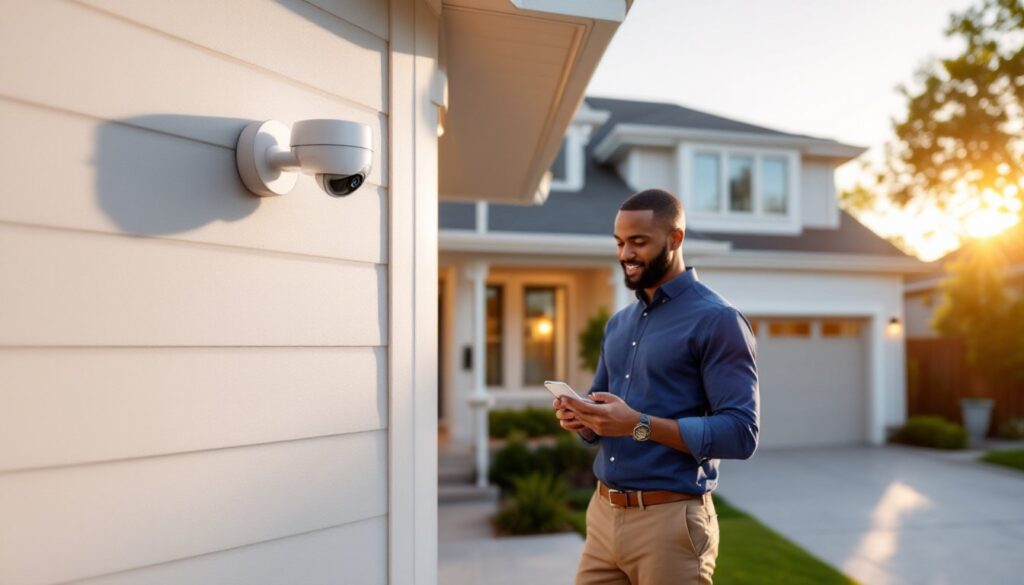
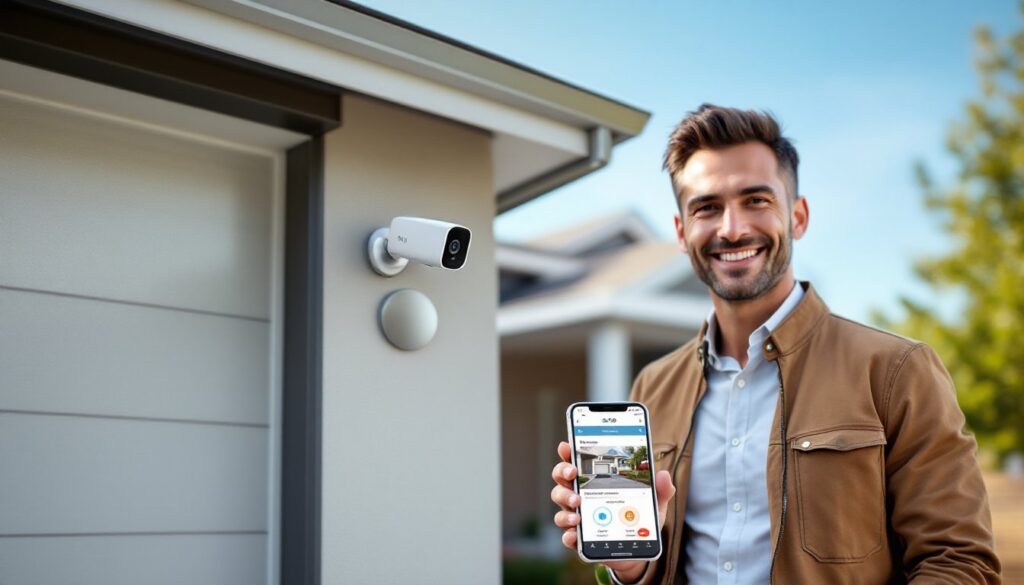
Home security has shifted dramatically over the past few years. Gone are the days when a basic alarm pad and a lawn sign offered sufficient protection. Today’s homeowners expect visibility, literally. Security cameras have become the centerpiece of modern home security systems, giving you eyes on your property 24/7. Whether you’re protecting against theft, monitoring delivery personnel, or keeping tabs on aging relatives, a properly configured home security camera system delivers peace of mind that older methods simply couldn’t match. This guide walks you through what matters, what to avoid, and how to set up a system that fits your home and budget in 2026.
Table of Contents
ToggleKey Takeaways
- Home security systems with cameras deter burglars—properties with visible cameras are up to three times less likely to be targeted.
- Choose between wired systems for rock-solid reliability or wireless systems for easier installation, depending on your property layout and technical comfort level.
- Prioritize at least 1080p resolution, infrared night vision, and AI-powered motion detection to capture evidence and reduce false alarms.
- Proper placement at 8–10 feet height and regular lens cleaning are more critical to system effectiveness than purchasing the most expensive hardware.
- Cloud storage offers remote access and protection against theft, while local recording eliminates monthly fees and keeps your data under your control.
- Monthly maintenance, including lens cleaning and quarterly hardware inspections, prevents costly failures and ensures your security camera system performs when you need it most.
Why Home Security Cameras Matter Today
Security cameras have become essential, not optional. Unlike motion sensors or contact switches that simply alert you to an intrusion, cameras capture evidence. That video footage stops insurance company quibbles, proves what actually happened to police, and often deters criminals before they even approach your property.
The statistics are compelling: homes with visible security cameras are up to three times less likely to be targeted. Burglars work fast, they want easy targets. A camera mounted where it’s visible signals that you take security seriously. Beyond theft prevention, cameras monitor daily activity. You can check whether a delivery was left on the porch, verify if your teenager arrived home on time, or confirm that the contractor actually showed up when promised.
Modern cameras operate in low light, upload footage instantly to cloud storage or local drives, and send push notifications the moment motion triggers detection. Installation no longer requires running miles of cables through walls or hiring a professional installer. Most homeowners can handle the setup themselves in a weekend.
Types of Home Security Camera Systems
Wired vs. Wireless Systems
Wired systems transmit video and power through ethernet cables (PoE, Power over Ethernet) or separate video and power cables. The upside: rock-solid reliability and no battery worries. The downside: cables require routing through walls, attics, or conduit, which demands planning and often some drilling.
Wireless systems run on WiFi or proprietary radio frequencies and use rechargeable batteries or wired power adapters. Installation is simpler, no cable runs needed. A wireless security camera can be mounted anywhere your WiFi signal reaches. The trade-off: batteries need periodic recharging or replacement, and wireless bandwidth can bottleneck if you’re streaming multiple cameras simultaneously.
Wired systems suit homes where you can plan ahead and don’t mind the labor. Wireless makes sense for renters, retrofits, or situations where aesthetics matter more than the minor maintenance overhead.
Cloud Storage vs. Local Recording
Cloud storage means your footage uploads to a vendor’s servers (Amazon, Eufy, etc.). You access it from anywhere via an app, and if a camera gets stolen, your video is already safe. The catch: monthly subscription fees, typically $10–$30 per camera, add up fast over a year.
Local recording stores footage on an on-site device, a hard drive, solid-state drive, or NAS (Network Attached Storage). No monthly bills. You own the data. The trade-off: if someone smashes your DVR, you lose footage. Local storage options appeal to budget-conscious homeowners and those uncomfortable with cloud dependency.
Key Features to Look for in a Security System
Resolution and night vision matter more than marketing hype suggests. Look for at least 1080p: 2K or 4K offers better detail for identifying faces or license plates. Night vision should use infrared LEDs, they’re passive and don’t alert intruders the way white-light cameras do.
Field of view determines how much area one camera covers. A 110-degree horizontal view is standard for front doors: wider angles (160+ degrees) suit driveways or backyards but can distort edges. Plan your layout before buying.
Motion detection and person/vehicle recognition filter false alarms. Basic motion triggers on anything, leaves, shadows, passing headlights. AI-powered recognition distinguishes humans and vehicles from noise, reducing notification fatigue.
Weather resistance (IP65 or IP67 rating) ensures outdoor cameras survive rain and temperature swings. Don’t skimp on this if cameras face elements. Cheap optics fog up or corrode within months.
Two-way audio lets you speak through the camera, useful for telling the delivery driver where to leave packages or confronting an unwanted visitor. Quality varies: some are tinny and distorted.
Integration with your existing smart home matters if you use Alexa, Google Home, or Apple HomeKit. Not every camera plays nicely with every ecosystem. Check before purchasing.
Compare these across brands. Budget models skip some features: premium options bundle them. Prioritize based on your property layout and threat assessment.
Installation and Setup Essentials
Before mounting anything, walk your property in daylight and again at night. Identify entry points, front door, back door, garage, side gates. Jot down where trees or gutters might block sight lines. Consider whether shadows or glare will interfere with daytime recording.
For outdoor camera placement, mounting height of 8–10 feet deters tampering and captures faces at eye level. Angle downward slightly to reduce sky glare. Ensure cables (if wired) won’t become trip hazards or eyesores. Use weatherproof conduit or raceways to protect exposed wiring.
For indoor cameras, perch them where they can monitor entry points without being the first thing guests see. Avoid pointing directly at windows or bright light sources, which wash out video.
Most modern cameras come with smartphone apps for configuration. Download the app before opening the hardware. Connect the camera to WiFi (or plug in the ethernet cable), create an account, and follow the vendor’s setup wizard. Security camera system installation typically takes 30 minutes to an hour per camera once you’ve done the physical mounting.
For wired systems, run ethernet cables through existing conduit if available: drill new holes only where necessary (and use appropriate anchors for brick, siding, or stucco, never just nail cables to the surface). Budget an extra day for cable runs if you’re retrofitting a finished home.
Test recordings in various light conditions. Adjust settings, sensitivity, frame rate, resolution, based on what you see. Overexposure in daylight? Lower brightness. Too grainy at night? Bump sensitivity or invest in better low-light performance.
Maintaining Your Security System
Maintenance prevents costly failures. Monthly: clean camera lenses with a soft, dry cloth. Dust and pollen degrade image quality surprisingly fast. Quarterly: inspect mounts and cables for corrosion or looseness. Tighten any hardware that’s rattled free.
Battery-powered wireless security camera units need recharging every 2–6 months depending on activity level and temperature. Mark your calendar or set app reminders so a camera doesn’t go dark when you need it most. Cold weather drains batteries faster, expect more frequent charges in winter.
Check your local WiFi coverage. If a camera keeps dropping connection, relocate your router or add an extender. Weak signals cause missed recordings and lag in live view.
Update firmware when vendors release patches. Camera hacking is real, and security updates close vulnerabilities. Most systems notify you in-app when updates are available.
Review cloud storage or local drive capacity monthly. Set recordings to loop (oldest footage overwrites first) once you’ve allocated space, or you’ll fill the drive and stop recording. Test footage retrieval occasionally, confirm you can actually access recorded clips when needed.
If using motion sensor security cameras, fine-tune sensitivity settings seasonally. Windy autumn leaves trigger more false alerts than calm spring mornings.
Keep receipts and serial numbers for warranty purposes. Most systems carry 1–2 year warranties covering manufacturing defects, not physical damage or theft. Plan replacements accordingly, quality cameras last 3–5 years before image sensor degradation or component failure becomes noticeable.
Putting It All Together
Home security systems with cameras aren’t one-size-fits-all. Your needs, property layout, budget, and technical comfort all shape the right choice. Start by assessing what you want to protect and what risks matter most. Compare reviews from trusted sources like Tom’s Guide and Good Housekeeping to narrow options. Then commit to installation, whether wired or wireless, cloud or local. The difference between a good system and a great one often comes down to thoughtful placement and regular maintenance, not the most expensive hardware. Test everything before your family gets comfortable with it. A camera that records blank footage or hasn’t been charged isn’t protecting anything. Once configured and working, your home security system becomes invisible, it just works, capturing what happens so you don’t have to wonder.