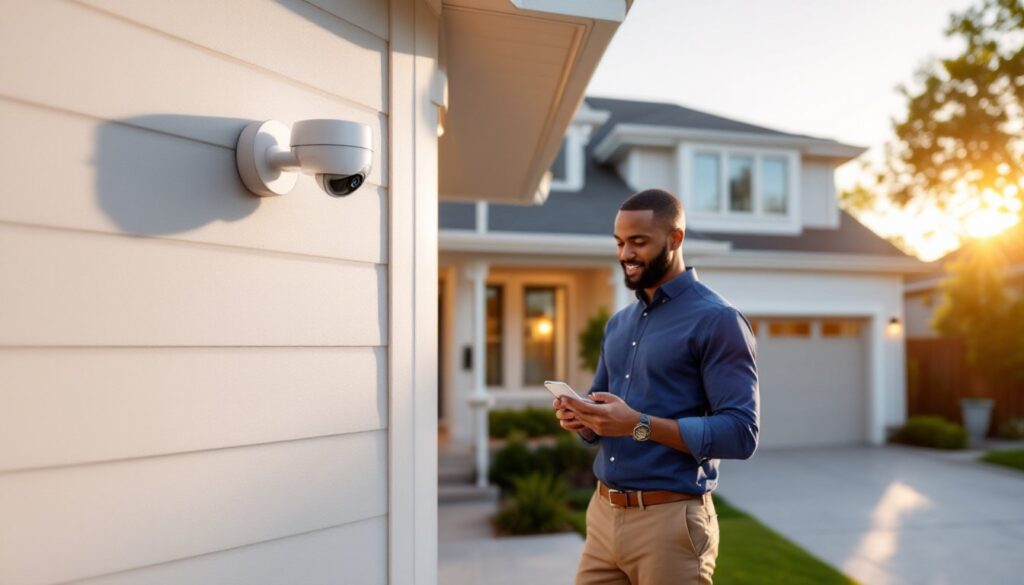
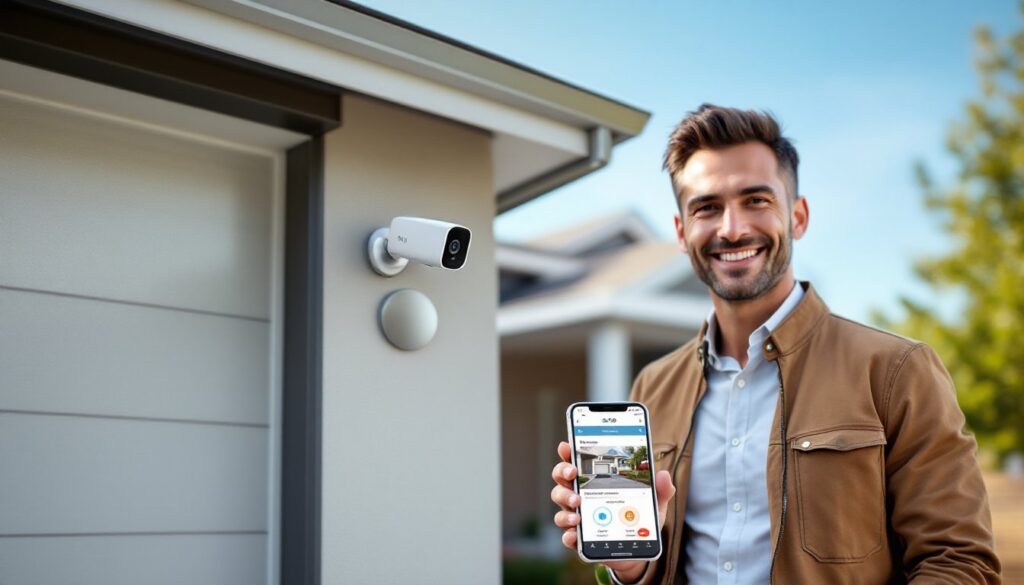
Your home is your most valuable asset, not just in dollars, but in peace of mind. Security surveillance cameras have become essential tools for modern homeowners, offering real-time monitoring, deterrence, and evidence if something goes wrong. Whether you’re protecting against package theft, monitoring your kids after school, or keeping an eye on contractors during a renovation, the right camera system gives you visibility and control. In 2026, security cameras range from simple wireless units to sophisticated multi-camera setups, and the good news is that most are DIY-friendly. This guide walks you through your options, helps you pick the right features, and shows you how to install and maintain a system that actually works.
Table of Contents
ToggleKey Takeaways
- Security surveillance cameras provide real-time monitoring, theft deterrence, and evidence collection, making them essential for modern homeowners protecting their most valuable assets.
- Wired systems offer rock-solid reliability and always-on monitoring, while wireless security cameras provide quick DIY setup and flexibility for renters, so choose based on your installation tolerance and permanent monitoring needs.
- Essential camera features include 1080p minimum resolution, infrared night vision, appropriate field of view for your location, and AI-powered motion detection to reduce false alarms from animals and weather.
- Strategic placement at entry points (8–10 feet high), driveway coverage for license plate capture, and 10–20% overlap between cameras eliminates blind spots and ensures comprehensive protection.
- Monthly lens cleaning, seasonal fastener checks, quarterly firmware updates, and strong network passwords are critical maintenance steps that keep your surveillance camera system effective and secure against hackers.
- Most homeowners can successfully install security cameras themselves by planning placement first, running cables carefully through walls, and configuring the system via the manufacturer’s app—saving hundreds in installation labor.
Understanding Your Surveillance Camera Options
Wired vs. Wireless Systems: Pros and Cons
When you start shopping for home security cameras, the first big decision is wired or wireless. Neither is universally “better”, it depends on your home layout, power availability, and tolerance for installation hassle.
Wired systems run video and power through the same cable (usually Cat5e or Cat6 Ethernet). They require drilling through walls, running cables to your attic or basement, and connecting to a central recorder or NVR (Network Video Recorder). The payoff: rock-solid reliability, no battery concerns, and stable network performance. You won’t lose signal because of WiFi dead zones. The trade-off is that installation takes longer and may require a permit if you’re running cables through fire-rated walls.
Wireless systems use WiFi to transmit footage. Many run on rechargeable batteries that last 2–4 months between charges, eliminating the need for power runs. Setup is fast, mount the camera, connect to your app, and you’re done. But wireless isn’t perfect. Batteries need regular maintenance, and your system depends on router strength and bandwidth. A dead battery means no surveillance until you swap it out. Eufy cameras, for instance, are popular wireless options that balance convenience with solid performance, though the trade-off is that you’re managing battery schedules.
For permanent, always-on monitoring, wired makes sense. For renters, temporary setups, or areas where running cables is impractical, wireless wins.
Key Features to Consider Before Buying
Before you buy, understand what you’re actually paying for. Resolution matters, 1080p is baseline, 2K (2560×1440) is becoming standard, and 4K offers theater-like clarity. But higher resolution only helps if your internet upload speed can handle it: most home internet struggles to stream 4K continuously without buffering.
Night vision is non-negotiable if you’re monitoring outdoors or poorly lit areas. Infrared (IR) is the standard, it uses invisible light to see in darkness. Color night vision exists but requires more light and is pricey. Most DIYers choose IR.
Frame rate (measured in fps, or frames per second) determines smoothness. 30 fps is standard: 60 fps gives buttery-smooth video but eats bandwidth and storage. Unless you’re monitoring fast-moving action, 30 fps is plenty.
Field of view (FOV) is critical for placement. A 90° FOV shows a narrow slice: 120° covers more ground: panoramic 180° or 360° cameras eliminate blind spots but distort edges. Match FOV to what you’re guarding, a driveway benefits from narrower, focused coverage: a deck needs wide FOV.
Smart features like motion detection, person detection, and two-way audio are increasingly standard. Motion detection triggers alerts: person detection (powered by AI) reduces false alarms from animals or wind-blown leaves. Two-way audio lets you talk through the camera, handy for delivery drivers or deterring intruders.
Storage is how you keep footage. Cloud storage is convenient but costs monthly: local storage (an SD card in the camera or a dedicated NVR) is one-time but requires capacity planning. A 32GB SD card stores about 7 days of footage at 1080p continuous recording.
DIY Installation Steps for Homeowners
Installing security cameras yourself saves hundreds in labor. Here’s the basic workflow for a wired system (wireless is even simpler, just mount and connect).
Step 1: Plan your placement. Mark camera locations on a sketch of your home. Consider sightlines, power sources, and cable routes. A camera aimed into a window reflects glare and is useless.
Step 2: Gather materials and tools. You’ll need the camera, mounting bracket, ethernet cable (Cat5e minimum: Cat6 is better), power supply, and connectors. Tools: drill with bits, fish tape (for running cable through walls), masking tape, and a level. For outdoor work, wear eye protection and work gloves.
Step 3: Run cables (wired systems). This is the hard part. Drill a small pilot hole, use fish tape to guide the ethernet cable through the wall cavity to your recorder location, and seal the hole with caulk to prevent water intrusion. If cables cross outdoors, use conduit to protect them.
Step 4: Mount the camera. Use the bracket and the appropriate fasteners (concrete anchors outdoors, drywall anchors indoors). A level ensures the camera isn’t tilted. Check that the image isn’t too high or low by viewing the feed on your phone.
Step 5: Connect and configure. Plug in the power supply, connect the ethernet cable to your recorder, and boot up the system. Install the manufacturer’s app, create a login, and test motion alerts. Camera system installation is straightforward as long as you don’t rush the planning phase.
Placement Strategies for Maximum Coverage
Placement is where most DIYers stumble. A poorly positioned camera catches empty sky or a neighbor’s fence instead of your entry point.
Entry points first. Doors and windows are obvious targets for break-ins. Mount cameras at 8–10 feet high, angled slightly downward to capture faces (not the top of heads). Avoid direct sunlight behind the camera, it backlit and washes out detail.
Driveway and perimeter. A driveway camera should capture the full width of vehicles. Mount it on your garage or soffit at 10–15 feet up. Aim to catch license plates: this usually means 20–30 feet of distance between camera and vehicle lane.
Overlap coverage slightly. Each camera has blind spots at its edges. Overlap them by 10–20% so an intruder can’t slink between cameras. This also gives you redundancy if one camera fails.
Avoid backlighting. Don’t point the camera into the sun or strong lights, it darkens the foreground. Morning sun is especially problematic on east-facing cameras. If you can’t avoid it, use a security camera system with backlight compensation (a feature many mid-range models now include).
Corner mounting. The highest point of your home (soffit or corner) gives the widest view. But it’s harder to access for cleaning and aiming. Balance coverage with maintenance ease, if you can’t reach it, you can’t clean the lens.
Maintaining and Protecting Your System
A camera system needs maintenance to stay effective. Dirt, spider webs, and condensation degrade image quality fast.
Clean lenses monthly. Use a soft, dry microfiber cloth. Never use water or solvents on the lens, they can damage coatings. If the camera is covered in pollen or dust, blow it off with compressed air first.
Check mounts and fasteners seasonally. Wind and temperature swings loosen bolts. A tightened camera drifts out of view over weeks and renders footage useless.
Update firmware. Manufacturers release security patches and feature updates. Check the app or recorder settings quarterly. Skipping updates leaves your system vulnerable to hackers.
Test storage and backups. If you’re using local storage, verify the system is actually recording. Check the recorder’s drive space monthly, full storage stops new recordings. For cloud systems, confirm your backup plan works by requesting a test recovery.
Monitor alerts. False alarms (motion from trees or animals) drain your attention and battery. Fine-tune motion detection zones to exclude areas you don’t care about. Many cameras, including home security camera systems with AI, learn over time and improve accuracy.
Secure your network. Change the default password immediately. Use a strong, unique password (12+ characters, mixed case, numbers, symbols). If your system supports two-factor authentication, enable it. Your cameras are only as safe as your WiFi.
Conclusion
Installing a security surveillance camera system is a practical, high-impact project that most homeowners can tackle without professionals. Focus on honest assessment of your needs, where are the real vulnerabilities?, then pick cameras that match your skill level and budget. Whether you choose wired reliability or wireless convenience, the key is thoughtful placement, regular maintenance, and keeping your system’s firmware and passwords current. A well-maintained camera system pays for itself through deterrence and evidence, and gives you the peace of mind that comes from knowing exactly what’s happening around your home.