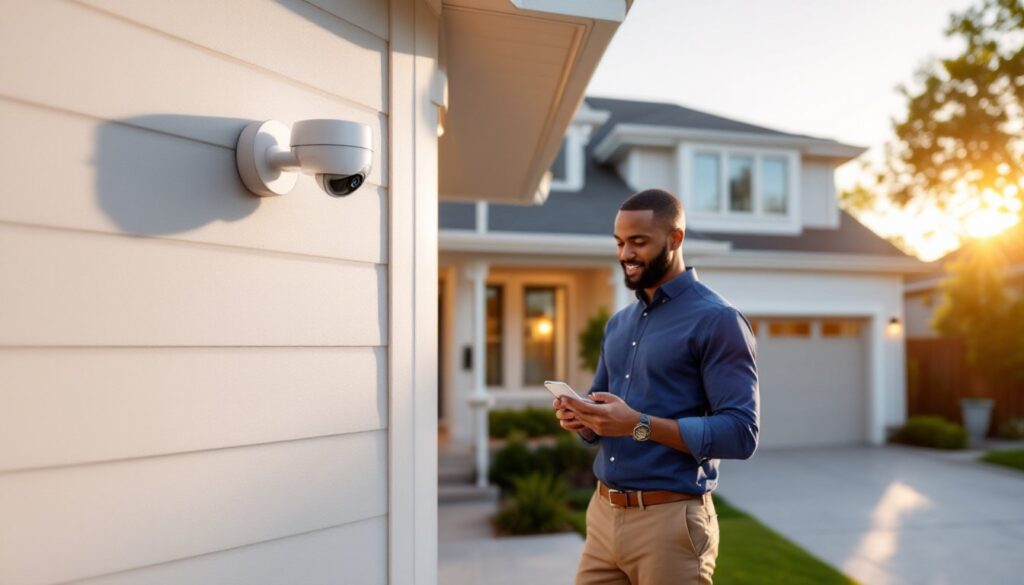
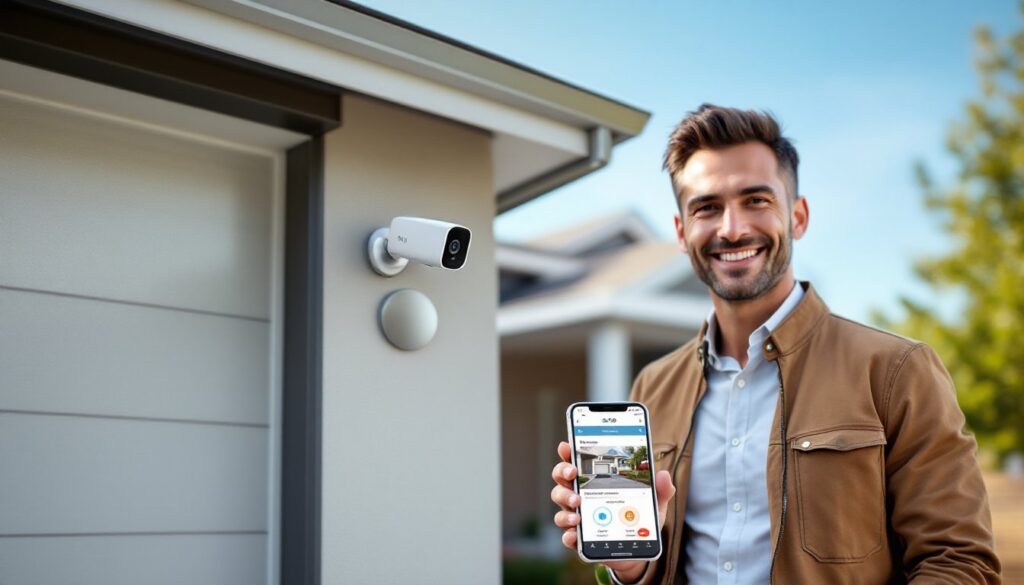
Protecting your home doesn’t require hiring a professional security company or signing up for expensive monitoring contracts. Reolink security cameras have made DIY home protection accessible, affordable, and straightforward enough for any homeowner to install and manage. Whether you’re concerned about package theft, monitoring entry points, or keeping an eye on your property while away, modern security cameras deliver the peace of mind you need without the contractor markup. This guide walks you through what makes Reolink stand out, how to choose the right system for your setup, and how to get cameras installed and running in a weekend.
Table of Contents
ToggleKey Takeaways
- Reolink security cameras eliminate the need for expensive monitoring contracts by offering local storage through microSD cards or NVR systems, keeping your footage on your device rather than relying on third-party cloud servers.
- Choose wired PoE cameras for reliability and long-term value, or wireless options if you rent or cannot route cables, but plan for regular battery maintenance with wireless setups.
- Proper installation planning—including mapping camera locations, avoiding backlighting, and leaving cable slack for thermal expansion—ensures your Reolink system performs reliably over seasons.
- A 4MP (2K) resolution provides the ideal balance for most homes by delivering readable facial features and license plates without consuming excessive storage or bandwidth.
- Smart motion detection with alert thumbnails on your mobile app lets you catch security events in real-time, while local storage ensures you have evidence without subscription dependencies.
Why Reolink Cameras Stand Out for DIY Home Security
Reolink cameras have earned a solid reputation among DIYers because they’re designed with the homeowner in mind, not the professional installer. Unlike some competitors that push cloud subscriptions and proprietary ecosystems, Reolink emphasizes local storage and ownership, your footage stays on your system, not scattered across third-party servers.
What really matters is simplicity. Setup takes minutes, not hours. The mobile app works intuitively, and customer support actually responds when you have a question. You get clear video quality across their product line, with options ranging from basic 2MP cameras up to 4K systems that catch license plates from 100 feet away. Resources like Tom’s Guide and Good Housekeeping consistently praise Reolink for balancing features with user-friendliness, two things that rarely go together in home tech.
The other advantage: Reolink doesn’t lock you into a subscription model just to view your footage. Local storage via microSD card or NVR (network video recorder) means you own the data. You’ll sleep better knowing your security isn’t dependent on a cloud service staying in business or a subscription you forgot to renew.
Types of Reolink Security Cameras and How to Choose
Reolink’s lineup includes several form factors, and picking the right one depends on where you’re installing and what you’re trying to monitor. Their turret cameras work well for corners and overhangs. Bullet models mount on flat surfaces and point in one direction. Pan-tilt-zoom (PTZ) cameras are overkill for most DIY setups but shine if you need to cover a wide area or adjust angles remotely.
Wired vs. Wireless Options
Here’s the honest take: wired cameras deliver more reliable power and video feed. They require drilling holes, routing cables, and a bit of planning, but once installed, you won’t worry about batteries, WiFi dropouts, or intermittent connections. Reolink’s wired systems use PoE (Power over Ethernet), meaning one cable carries both power and data, cleaner than running separate power lines.
Wireless security cameras sound convenient, and they are, no drilling walls or fishing cables through attics. But they’re not set-it-and-forget-it. Batteries need replacing every few months to years depending on activity. WiFi signal strength matters: a weak connection means missed alerts or choppy video. A wireless security camera in a dead WiFi zone will frustrate you far more than the ease of installation is worth.
For most homeowners, wired is the smarter long-term choice if you’re willing to do the installation work. If you rent, travel frequently, or can’t route cables easily, wireless makes sense, just budget for battery maintenance. Installing a security camera system properly means thinking beyond just “what’s easier to install” and considering what you’ll actually maintain.
Installation Tips for DIY Enthusiasts
Don’t skip the planning phase. Walk around your property and mark camera locations on a map or take photos. You want coverage of entry points, driveways, side yards, and any blind spots. Think about sun direction, backlighting footage makes license plates unreadable.
For wired installs, grab a stud finder and locate solid mounting points. Reolink brackets mount securely to wood, concrete, or vinyl siding with appropriate fasteners. Use exterior-grade silicone or caulk around cable entry points to keep water out. Route cables along the house perimeter where they’re less obvious: use conduit if running across open spaces.
When running cable, leave slack at both ends, don’t pull it tight. Thermal expansion and contraction over seasons will stress tight cable and connectors. The PoE injector (the small box that powers the camera) should stay indoors or in a weatherproof enclosure.
For wireless cameras, position the NVR or WiFi hub centrally, ideally elevated. Test signal strength at camera locations before final mounting. If you get weak bars on a WiFi analyzer app, that camera won’t perform reliably. Plan for battery changes as scheduled maintenance, don’t wait for a dead camera to ruin a security event.
Most DIYers complete a 2–4 camera system in a half day. Use a security camera wiring diagram if running multiple cameras to keep track of connections. Safety matters: wear safety glasses when drilling, use a voltage tester before touching any electrical components, and ensure power is disconnected when working with wired systems.
Key Features That Protect Your Home
Video clarity is non-negotiable. Reolink’s 2MP (1080p) cameras work for basic monitoring: 4MP (2K) is the sweet spot for most homes, delivering readable facial features and license plates. 4K models exist but consume more storage and bandwidth, don’t buy into the resolution arms race unless you truly need it.
Night vision comes standard on all Reolink models. Infrared (IR) LEDs let you see activity in complete darkness, though everything turns grayscale. Some higher-end models add color night vision, which uses ambient light or adds LED illumination to capture colors in low light, handy for identifying vehicles or clothing.
Motion detection and alerts matter because you don’t want to review hours of footage. Smart detection filters out false alarms from wind, shadows, or passing cars. When real motion occurs, the system sends you an alert with a thumbnail image to your phone, fast enough to catch activity as it happens.
Local storage is where Reolink shines. A microSD card (up to 256GB in most models) stores weeks of footage on the camera itself. A dedicated NVR stores terabytes and lets you review footage without a subscription. Storing security camera images properly ensures you have usable evidence if needed.
Audio is included but varies by model, some cameras have one-way audio so you can speak through them, others just record sound. Check what you actually need: audio adds little security value for outdoor monitoring but helps if you’re monitoring a doorway.
Conclusion
Reolink cameras hit the sweet spot for DIY homeowners: straightforward enough to install without professional help, reliable enough to depend on, and affordable enough to cover your whole property. Whether you choose wired or wireless depends on your layout and tolerance for maintenance, but either way, you’re getting a system that stays yours and doesn’t trap you in subscriptions. Start with your entry points and driveways, install properly with patience and planning, and you’ll have functioning home security by weekend’s end.