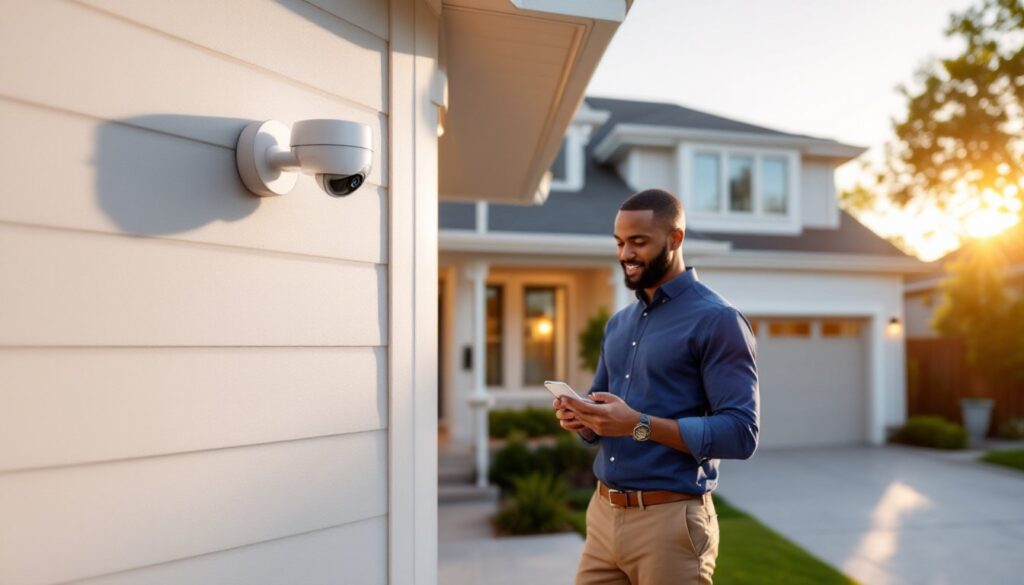
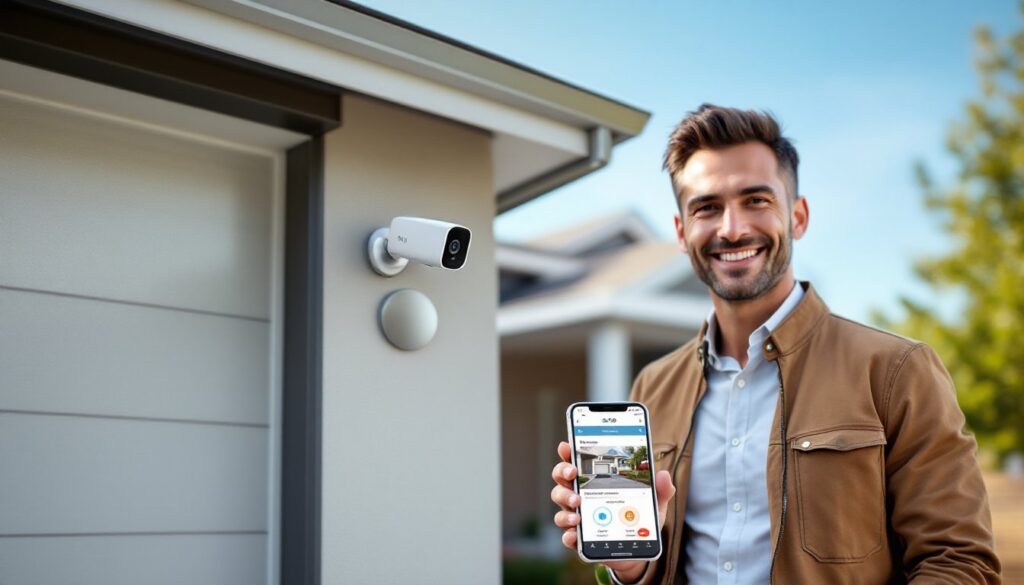
Modern homeowners are investing in outdoor security cameras more than ever, not just to catch burglars, but to monitor deliveries, keep tabs on entry points, and gather evidence if something goes wrong. A visible outdoor camera can deter break-ins before they happen, and recorded footage becomes invaluable when filing insurance claims or identifying intruders. Whether you’re protecting a front porch, driveway, or back gate, the right outdoor camera system combines weatherproof construction, reliable night vision, and smart detection to give you peace of mind. This guide covers what makes a quality outdoor camera, how to choose the right features, and what you need to know before installation.
Table of Contents
ToggleKey Takeaways
- A visible outdoor camera serves as both a deterrent and reliable evidence source, with studies showing it reduces burglary attempts and can lower insurance premiums for homeowners.
- Look for an outdoor camera with at least IP65 weatherproof rating, 1080p resolution minimum, and reliable night vision to ensure durability and clear identification of people and vehicles.
- Choose between wired PoE (cleaner installation but requires infrastructure), Wi-Fi (easier on existing homes), or battery/solar-powered options (no wiring needed) based on your home’s layout and technical comfort level.
- Smart detection features that identify persons and vehicles prevent false alarms from environmental motion, while cloud and local storage options ensure you can access footage remotely and maintain a backup.
- Mount outdoor cameras 6 to 10 feet high at entry points like doors, garages, and driveways to avoid tampering and capture faces at eye level for maximum security effectiveness.
- Modern outdoor camera systems combine weatherproof construction, day/night video quality, and thoughtful placement to give homeowners the clarity and confidence to monitor deliveries, verify visitor behavior, and gather evidence when needed.
Why Outdoor Cameras Matter for Modern Homeowners
An outdoor camera does more than simply record video, it’s a proven deterrent and a reliable witness. Studies consistently show that visible security cameras reduce the likelihood of burglary attempts, and insurers often offer discounts when homeowners install monitored systems. If something does happen, recorded footage becomes critical evidence for police reports and insurance claims.
Remote monitoring via smartphone app means you can check on your front door, driveway, or backyard from anywhere. You’ll see deliveries arrive in real time, catch suspicious activity before it escalates, and verify that contractors or visitors left when they said they would. For landlords and rental property owners, outdoor cameras document tenant behavior and protect against false claims of property damage.
The real value isn’t paranoia, it’s clarity. Instead of wondering what happened, you’ll know. A wireless security camera pointed at your garage gives you confidence that your tools are safe. Motion alerts let you respond immediately if someone lingers near your home. And if your teenager claims they were home by curfew but the footage shows otherwise, well, that’s another kind of evidence entirely.
Key Features to Look For in an Outdoor Camera
Not all outdoor cameras are created equal. Before you buy, understand the features that separate adequate protection from comprehensive monitoring.
Weather Resistance and Durability
Your outdoor camera sits in rain, dust, temperature swings, and direct sunlight, conditions that destroy cheap electronics fast. Look for an IP65 or IP66 rating, which means the camera resists water jets and dust. For cameras mounted near ground level or in flood-prone areas, IP67 is better: it handles temporary immersion.
Check the operating temperature range on the spec sheet. If you live somewhere that hits minus 20°F in winter, a camera rated only to 0°F will fail. Similarly, high heat can damage internal components. Vandal-resistant housings and tamper alerts matter too, a thief will avoid cameras they can’t easily disable.
Weather resistance isn’t just about rain. UV-stable plastics resist sun damage over months and years, and sealed cable connections prevent corrosion. Cheap gaskets fail, moisture creeps in, and your $100 investment dies in a year. Spend the extra $50 now for a camera built to last five years.
Video Quality and Night Vision
Resolution matters, but it’s not everything. You want at least 1080p (full HD), but 2K or 4K cameras provide finer detail for identifying faces and reading license plates. A 4K sensor with optical zoom beats a lower-res camera with digital zoom every time, digital zoom just makes blurry pixels bigger.
HDR (high dynamic range) improves visibility when your camera faces bright outdoor light and deep shadows at the same time. Without it, either the bright areas wash out or the shadows go black.
Night vision comes in two flavors: infrared (IR) LEDs produce black-and-white images but work in complete darkness, while color night vision uses larger sensors and sometimes supplemental spotlights to capture color detail in low light. For identifying people, color night vision wins. For motion detection in pitch black, IR is more reliable.
Look for person and vehicle detection plus to basic motion alerts. These smart algorithms reduce false alarms from wind-blown bushes or passing cars. A camera that sends you a notification only when it detects a person, not every moving leaf, saves your sanity.
Installation and Setup Considerations
How you power and connect your camera shapes the entire installation experience. Wired PoE (Power over Ethernet) cameras run one cable, it carries both power and data, making them cleaner and more reliable, but require network infrastructure near the camera. Wi-Fi cameras are easier to install on existing homes, but they’re dependent on signal strength and use more battery power if unplugged.
Battery-powered options eliminate wiring headaches. Battery powered security cameras have come far: modern models last months on a charge. For permanent installations without running cable, solar powered security cameras recharge during the day and run indefinitely.
Placement is critical. Mount cameras 6 to 10 feet high to avoid easy tampering and to capture faces at eye level rather than from below. Point them at entry points, front and back doors, garage doors, any window a thief might target. A driveway camera set slightly high and to the side captures incoming vehicles and visitors clearly. Motion sensor security cameras positioned to cover walkways catch approaching danger before it reaches your door.
Video storage matters as much as video quality. Cloud storage via encrypted app lets you access footage from anywhere, but relies on internet uptime. Local storage (microSD cards or network video recorders) keeps footage on-site and doesn’t depend on monthly subscriptions. Many modern systems offer both, cloud for remote access, local for backup.
Consider whether you want to integrate your camera into a larger security ecosystem. Wireless security cameras that connect to smart home platforms (Apple HomeKit, Amazon Alexa, Google Home) let you view live feeds from your phone’s home app and automation routines.
Professional installers, offered by vendors like SimpliSafe, Vivint, and ADT, handle placement, wiring, and integration for a fee. If you’re running cable through existing walls or integrating with an existing system, professional setup ensures code compliance and proper configuration. For battery or plug-in cameras on an exterior wall, DIY is straightforward.
Conclusion
A practical outdoor camera system starts with weatherproof construction, clear day and night video, and smart motion detection, then adds secure storage and thoughtful placement at entry points. Recent reviews from tech outlets like CNET and industry coverage at Digital Trends highlight the rapid innovation in affordable models that rival premium systems. Whether you choose wired, wireless, or battery-powered options, the key is matching the camera’s features and power method to your home’s layout and your comfort level with DIY setup. Do the prep work, choose the right placement, and you’ll have the clarity and confidence that comes with knowing exactly what’s happening outside your door.