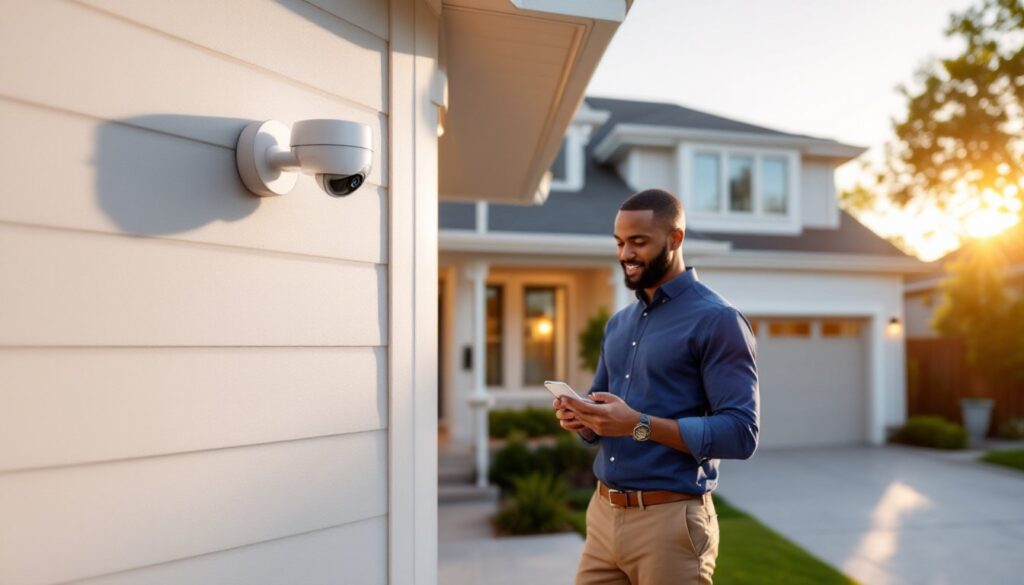
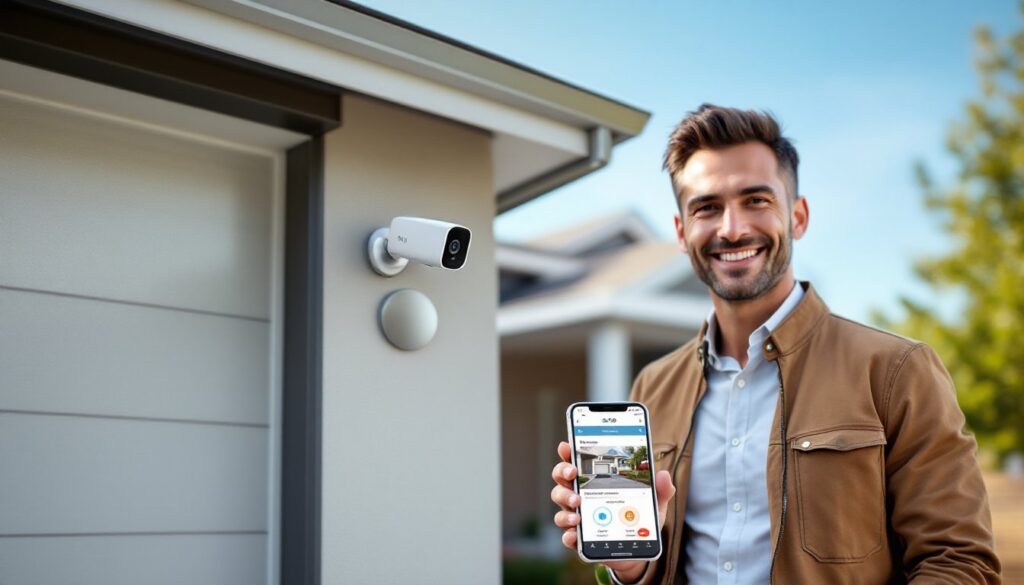
Home security cameras have shifted from luxury gadgets to essential protection tools. Whether you’re concerned about package theft, monitoring entry points, or catching unexpected activity around your property, house security cameras offer peace of mind without the premium price tag of professional monitoring services. The good news: today’s systems are designed for DIY installation, making it easier than ever to take control of your home’s security. Before you climb a ladder or run cables, you need to understand what’s available, what features matter, and how to install everything correctly. This guide walks you through the entire process so you can choose the right system and get it running yourself.
Table of Contents
ToggleKey Takeaways
- House security cameras have become affordable, essential tools that deter burglars, document package theft, and provide peace of mind without expensive professional monitoring services.
- IP and PoE (Power over Ethernet) house security cameras deliver high resolution and reliable performance; PoE systems offer the cleanest installation by running power and data through a single cable.
- Prioritize at least 1080p resolution for facial recognition, color night vision for dark entry points, and motion detection features over expensive 4K systems you won’t fully utilize.
- Wired systems provide long-term cost savings and reliability, while wireless house security cameras offer flexibility for renters—hybrid setups combining both work best for most homes.
- Start your DIY installation by planning camera positions, checking local recording laws, using a stud finder before drilling, and testing your WiFi signal strength before permanent mounting.
- Avoid common mistakes like pointing cameras at neighbors’ windows, overloading WiFi networks with too many wireless cameras, and skipping firmware updates that patch security vulnerabilities.
Why Your Home Needs Security Cameras Today
Home security isn’t just about preventing break-ins anymore. Security cameras act as a permanent witness to your property, recording everything in high definition. They deter burglars before they attempt entry, research consistently shows visible cameras reduce property crime. But the real value goes deeper.
Package theft has exploded in recent years. Cameras provide evidence for police reports and insurance claims, plus they catch perpetrators in the act. If you have questions about unexpected damage on your property, contractors on your porch, or kids trespassing, surveillance footage answers them. For renters, too, home surveillance cameras document conditions and protect against unfair deposit deductions.
Modern systems also offer remote viewing, night vision, motion alerts, and two-way audio. You can watch your front door while at work, check on a contractor mid-project, or communicate with a delivery driver from your phone. Insurance companies sometimes offer discounts for homes with documented security systems. When everything combines, prevention, evidence, peace of mind, and potential savings, the case for house surveillance cameras becomes clear.
Types of Security Cameras: Which Option Fits Your Home
Security camera systems fall into a few main categories, each with trade-offs. Understanding these differences prevents buyer’s remorse and ensures you get the right setup for your needs.
Analog cameras are the oldest technology. They’re cheap upfront but require a dedicated DVR recorder, and image quality tops out around 1080p. Skip these unless you’re working with an existing system.
IP cameras send video over your network to cloud storage or a local recorder. These deliver higher resolution (2K to 4K), work with modern networks, and offer remote access via phone. They’re the standard choice for DIY installations today.
PoE (Power over Ethernet) systems run power and data through a single network cable, clean, reliable, and what professionals prefer. Installation is simpler because you don’t juggle separate power runs, though you need PoE-capable switches.
Battery-powered cameras offer flexibility for renters or properties where running cables is impractical. Battery life varies widely (weeks to months depending on the model and activity). These cameras typically don’t record continuously, they trigger on motion instead.
Wired vs. Wireless Systems
Wired systems (especially PoE) deliver reliable power and data without worrying about recharging or weak WiFi. You run cables during installation, sometimes challenging in existing homes, but then enjoy years of dependable operation. Wired setups are cheaper long-term and perform better in poor network conditions.
Wireless systems skip the cable runs, a major appeal for renters and retrofits. WiFi cameras rely on your internet strength: if your WiFi is weak at the camera location, video stutters or fails. They also need regular charging or battery replacement. Wireless works fine for 1–2 cameras near your router: for larger setups, wired becomes practical again. Many DIYers go hybrid: wired systems at main entry points, wireless cameras in secondary areas.
Essential Features to Look for When Buying
Not all security cameras are created equal. Before purchasing, check these non-negotiable features.
Resolution matters more than marketing claims. Aim for at least 1080p (2 MP) for clear facial recognition at 8–10 feet. 2K (4 MP) is worth the extra cost if your budget allows. 4K systems deliver exceptional detail but consume more storage and bandwidth, only necessary for wide-area monitoring or if you plan to zoom into footage regularly.
Night vision comes in two types: infrared (IR) produces grainy black-and-white video, while color night vision uses ambient light and performs better in moderate darkness. If you monitor dark entry points, prioritize color night vision cameras.
Field of view (FOV) affects how much area a single camera covers. 90–110 degrees is standard: wider angles (140+) show more but distort edges. Narrower angles (50–70 degrees) give detail of specific spots like a doorway. Measure your space and plan camera placement before buying.
Storage options determine how long you keep footage. Cloud storage offers remote access but charges monthly fees. Local storage (NVR/DVR or microSD cards) is one-time cost but requires power and network. Hybrid setups record locally and back up to the cloud. For most homes, hybrid is the sweet spot.
Weather resistance is essential for outdoor cameras. Look for IP66 or IP67 ratings, these mean the camera withstands rain, dust, and extreme temperatures. Indoor cameras don’t need this, but outdoor units do.
Smart features like motion detection, person/vehicle recognition, and two-way audio enhance usability. Motion detection triggers alerts on your phone instead of recording everything (saving storage). Person recognition reduces false alarms from animals and leaves. Two-way audio lets you communicate through the camera.
Don’t overpay for features you won’t use. A reliable 2K camera with solid night vision and motion detection outperforms an expensive 4K camera with weak software any day.
DIY Installation Tips for Your Home
Installation difficulty depends on your system type and home setup. Here’s what to expect and how to avoid common mistakes.
Planning Your Layout
Before drilling holes or running cables, map out your camera positions. Stand at each proposed location with your phone and check the view, adjust height and angle until you see what you want to monitor. Mark drilling points with painter’s tape: this prevents mistakes and helps identify studs or electrical lines behind walls.
For outdoor cameras, aim for 8–10 feet high to capture faces while remaining tamper-resistant. Avoid pointing directly at windows or bright lights, which create glare. Check local laws, some jurisdictions restrict recording into neighbors’ windows or restrict audio recording without consent.
Wired Installation (PoE)
Wired systems require running Cat5e or Cat6 cable from your network switch to each camera. This is the hardest part. Use conduit or existing cable runs (attic, basement, crawlspace) to avoid surface-mounted cables. Drill holes through walls carefully, check for studs, electrical lines, and plumbing first. Use a stud finder and cabinet.
Crimping Ethernet connectors takes practice but saves money compared to pre-made cables. If you’re uncomfortable with it, buy pre-made cables cut to your measured lengths. Connect cameras to a PoE switch (not a regular switch), which supplies power through the cable. Plug the switch into your network and a power outlet. Configure the cameras through the manufacturer’s app or web interface, follow their setup wizard step-by-step.
Wireless Installation
Wireless cameras mount similarly to wired units but skip the cable run. Position the camera within strong WiFi range of your router. Many DIYers forget to check signal strength at camera locations, use your phone’s WiFi analyzer app to confirm adequate bars before mounting. Outdoor wireless cameras sometimes struggle in poor signal areas: consider adding a WiFi extender if needed.
Power wireless cameras from a nearby outlet using a weatherproof extension cord, or mount them where you can access batteries for quarterly swaps. The installation itself takes 20–30 minutes per camera: mount the bracket, attach the camera, connect power, and add the camera to your WiFi through the app.
Critical Installation Dos and Don’ts
Do wear safety glasses and gloves when drilling or running cables. Do use appropriate drill bits for masonry or wood. Do test your WiFi or wired connection before permanently mounting cameras. Do secure cables with clips or conduit, loose cables are tripping hazards and look unprofessional.
Don’t skip leveling the camera, a tilted view is annoying to watch for hours. Don’t overload a single WiFi network with more than 4–5 wireless cameras: bandwidth suffers and lag sets in. Don’t point cameras downward into neighbors’ properties or at windows where you record inside their homes. Don’t ignore firmware updates once installed, updates patch security vulnerabilities and add features.
If you encounter studs, electrical wiring, or structural questions, involve a licensed electrician or contractor. The few hundred dollars spent upfront avoids code violations and safety hazards. Many security installations can pull a “low-voltage” permit in your area, check with your building department before starting extensive work.
Conclusion
House security cameras are no longer complicated or expensive. By choosing the right type, prioritizing practical features, and following installation best practices, you can set up a professional-grade system yourself. Start with a single camera at your main entry point to learn the ropes, then expand based on what works. Whether you go wired for reliability or wireless for flexibility, your property gains a silent guardian that records evidence, deters crime, and gives you the control every homeowner deserves.