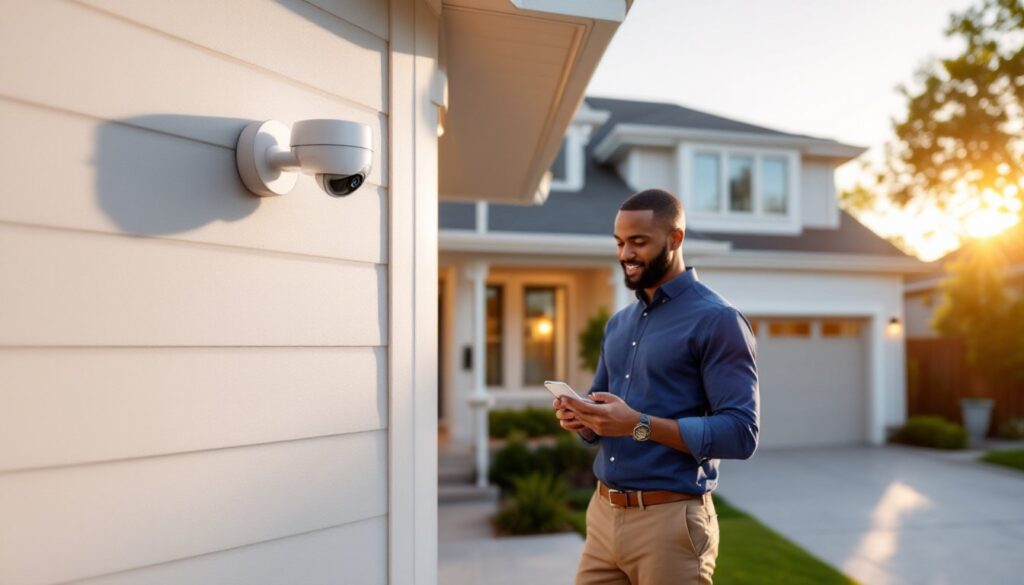
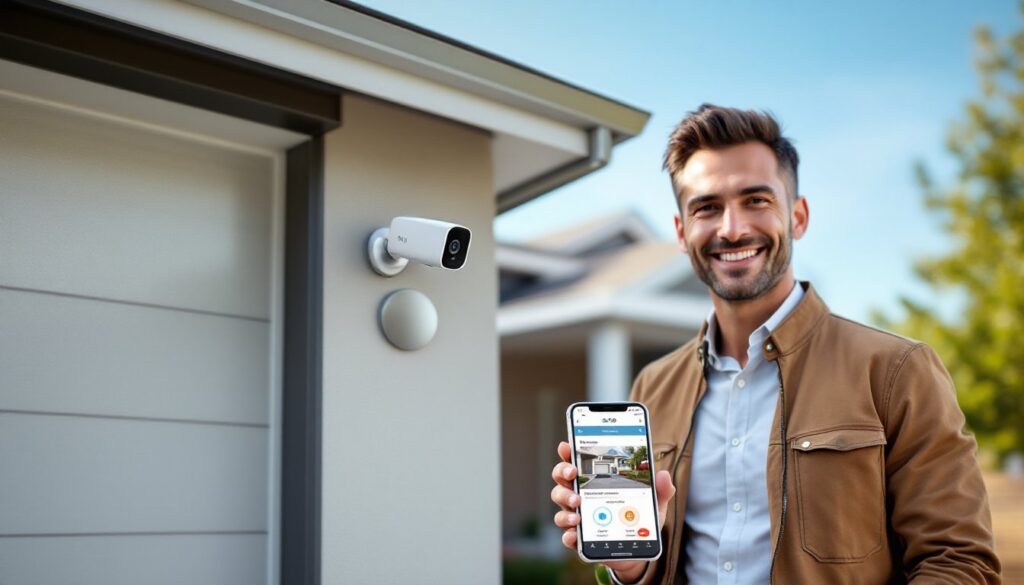
Home security doesn’t have to be complicated or expensive. Whether you’re concerned about package theft, monitoring a family member, or simply keeping an eye on your property, picking the right security camera system makes all the difference. With options ranging from affordable wireless security cameras to advanced AI-powered systems, today’s homeowner has more flexibility than ever. The trick is understanding what features actually matter for your situation, not getting distracted by specs you’ll never use. This guide breaks down the essentials, compares indoor and outdoor options, and walks you through what works best for your home and budget.
Table of Contents
ToggleKey Takeaways
- Resolution and night vision are critical features—choose 2K to 4K for face recognition and color night vision over infrared alone for effective package theft and break-in monitoring.
- The best security cameras for home depend on your budget: mid-range options ($100–200) offer excellent value with 2K resolution and human detection, while budget models start at $40–80 for basic monitoring.
- Wireless security cameras are ideal for DIY installation and renters, while wired NVR systems ($500+) offer 24/7 reliability and local storage without monthly cloud fees for serious security needs.
- Cloud storage provides convenience and remote access (typically $3–15/month), but local storage via NVR eliminates recurring costs and suits homeowners prioritizing long-term savings.
- Outdoor cameras need IP65+ weatherproofing and 40+ feet night vision range, while indoor cameras prioritize image quality and smart features like human detection and AI filtering to reduce false alarms.
- Start with one well-positioned camera in a mid-range tier, test placement and night vision before final mounting, and invest in quality mounting hardware—security is worth doing right the first time.
What To Look For In A Home Security Camera
Before you compare brands, nail down these core features that separate a solid camera from one you’ll regret buying.
Resolution and night vision matter more than marketing hype suggests. A 1080p home security camera gives you workable footage for ID purposes: 2K to 4K is better if you need to recognize faces from distance. Night vision comes in two flavors: infrared (black-and-white, good range, works in total darkness) and color night vision (requires a bit of ambient light but shows detail). For package theft or break-ins, you want faces, infrared alone won’t cut it.
Field of view (FOV) ranges from 90 degrees (standard) to 180 degrees (ultra-wide). Wider isn’t always better: a tight 90-degree view gives you more detail on a smaller area, while 130+ degrees covers more ground but with some distortion at the edges.
Cloud vs. local storage is your biggest cost commitment. Cloud storage means monthly fees (typically $3–15 per camera), but footage is backed up and accessible anywhere. Local storage using an SD card or NVR eliminates recurring costs but ties you to your home network. Many homeowners pick cloud for the convenience, but check data limits, some plans cap how many days you can store.
Motion detection and AI filter out false alarms from wind, shadows, or passing cars. Human detection is the sweet spot: it ignores motion that isn’t a person. Two-way audio lets you speak through the camera, useful for deterring porch pirates or checking on a delivery.
Power and weatherproofing depend on placement. Wired cameras need an outlet or professional installation: wireless security cameras use batteries (2–12 month life) or plug into existing outlets. For outdoors, confirm IP65 or higher weatherproofing (dust and water resistant). Indoor cameras don’t need rugged specs but should hide dust better.
Indoor vs. Outdoor Security Cameras: Which Is Right For You
Indoor Camera Benefits & Best Use Cases
Indoor home security camera systems excel at monitoring entry points, living spaces, and high-value areas. They don’t face rain, extreme cold, or UV damage, so they’re simpler, no weatherproofing needed, smaller form factors, and longer battery life on wireless models. Placement options are abundant: a shelf, nightstand, doorway frame, or ceiling mount works fine.
Indoor cameras shine for nanny cams, elderly care monitoring, pet supervision, and watching hallways or kitchens. The real perk? You get reliable power from an outlet, so no battery swaps. Many indoor models are compact and less obvious, useful if you want discreet monitoring without a visible deterrent.
Budget-friendly indoor options start around $25–50, while mid-range models (with better night vision and AI) run $80–150. Since you’re not fighting weather, you can prioritize image quality and smart features over durability.
Outdoor Camera Features & Durability Requirements
Outdoor cameras handle the heavy lifting for property protection. These are your first line of defense against burglary, package theft, and vandalism. They need rugged specs: IP65 or IP67 ratings (waterproof), temperature ratings from –10°C to 50°C minimum, and heavy-duty mounts that resist tampering.
Wireless security cameras for outdoors are attractive because there’s no power cord to conceal, but battery life drops in cold climates (lithium batteries lose 50% capacity at freezing temps). Wired outdoor cameras are more reliable but require running cable through walls or conduit, often a permit situation if it’s structural. Solar panels exist but work best in sunlight-rich zones.
Visibility matters outdoors. A visible camera deters crime better than a hidden one. Look for 70–100 degree FOV on front doors (catches faces and packages), and 130+ degrees on driveway or perimeter coverage (spot intruders earlier). Outdoor night vision needs good range, 40+ feet is practical for most homes.
Expect to spend $120–300 per outdoor camera for solid performance. Professional installation adds $100–200 per unit if you go wired, but that’s often worth it to avoid running cables yourself.
Top Security Camera Options For Different Budgets
Budget tier ($40–80): Entry-level wireless security cameras like budget Tapo or Wyze models handle basic monitoring. 1080p, cloud storage with ads, and standard motion alerts. Perfect for testing the waters or covering a less critical area. Expect 3–6 month battery life and no fancy AI features.
Mid-range tier ($100–200): This is where you get real value. Models with 2K resolution, human detection, color night vision, and reasonable cloud plans without excessive fees. Eufy’s popular in this range, good privacy (local storage option), solid reliability. Wireless security cameras at this tier often have 6–12 month battery life. This is where most homeowners land, and it’s worth the jump from budget options.
Premium tier ($200–400+): Professional-grade systems with 4K resolution, advanced AI (package detection, loitering alerts), and integration with smart home hubs. Arlo’s higher-end models and Vivint monitored systems fall here. You’re paying for reliability, features, and support. Monthly monitoring adds another $15–40, but many homeowners find the peace of mind worth it.
Wired/NVR systems ($500–1500+): If you’re serious about security, a multi-camera NVR (network video recorder) setup with local storage beats cloud subscriptions long-term. Wired cameras run 24/7, store footage locally, and require no monthly fees. Installation and wiring labor are the big costs, often requiring a licensed electrician or security contractor. This approach pays off in high-risk areas or if you’re building or renovating anyway.
Motion sensor security cameras crop up across all tiers, they’re not a separate category but a feature. Look for human detection specifically: generic motion detection triggers too often on wind-blown branches.
For outdoor durability on a budget, look for brands emphasizing IP65 rating and wide temperature tolerance, not just low price. A $60 camera that dies in winter is expensive.
Installation & Setup Considerations For DIY Homeowners
Wireless cameras are plug-and-play: mount, power on, connect to WiFi, download the app. Most folks do this in 10 minutes. Use a stud finder to avoid conduit or electrical wiring behind drywall. Outdoor mounts need a drill, weatherproof sealant (silicone or polyurethane caulk), and a high-quality lag bolt or concrete anchor rated for your surface. Avoid aluminum gutters, they conduct electricity and create grounding issues.
Wired systems need cable runs (either conduit or through-wall runs), a power source, and sometimes an NVR device. If you’re renting, this is a no-go. For owned homes, it’s doable if the camera location is near an outlet or you’re comfortable running low-voltage wiring through walls. Plan the route first: measure twice, drill once. Bundle cables with clips or wire loom to prevent snagging and rodent damage.
WiFi strength matters. A camera at the far edge of your network will drop frames and reconnect constantly. If your signal’s weak, move the router, add a mesh node nearby, or go wired. A simple WiFi analyzer app shows you signal strength at your camera spot (aim for –60dBm or better).
Storage setup depends on your choice. Cloud users: check the plan (how many days of footage, whether person detection works offline, clips vs. continuous). Local storage users: get an NVR with at least 2TB capacity: it’ll hold 7–14 days of 4-camera footage depending on resolution. Format the drive in the NVR, not your computer.
Test before finalizing mounting. Aim the camera, walk around and check the frame, adjust. A 30-second video preview before drilling holes saves regret. Check night vision range in darkness, don’t assume marketing claims match reality.
Smartphone app quality varies hugely. Some apps drain battery, lag, or crash. Download the app and test it on your phone before committing. Slow app = constant frustration.
Conclusion
Choosing the best security cameras for your home boils down to honest assessment: What are you protecting? How much visibility do you need? Can you handle a monthly cloud fee, or do you want a one-time purchase? Wireless security cameras win for simplicity: wired systems win for reliability and cost-per-year. Most homes benefit from a mix, outdoor cameras on entry points, indoor cameras on valuables or high-traffic areas. Start with one camera, learn the system, then expand. A mid-range option with motion detection and decent night vision will outperform a budget camera every time. Take your time with placement, and don’t skimp on mounting hardware: a $150 camera mounted loose falls off or angles wrong within months. Your home’s security is worth doing right the first time.