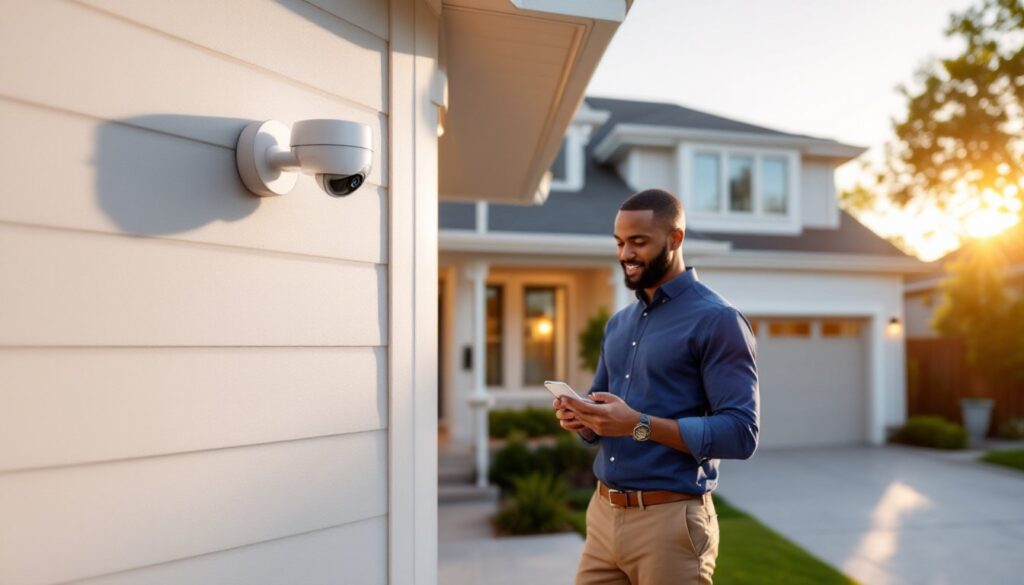
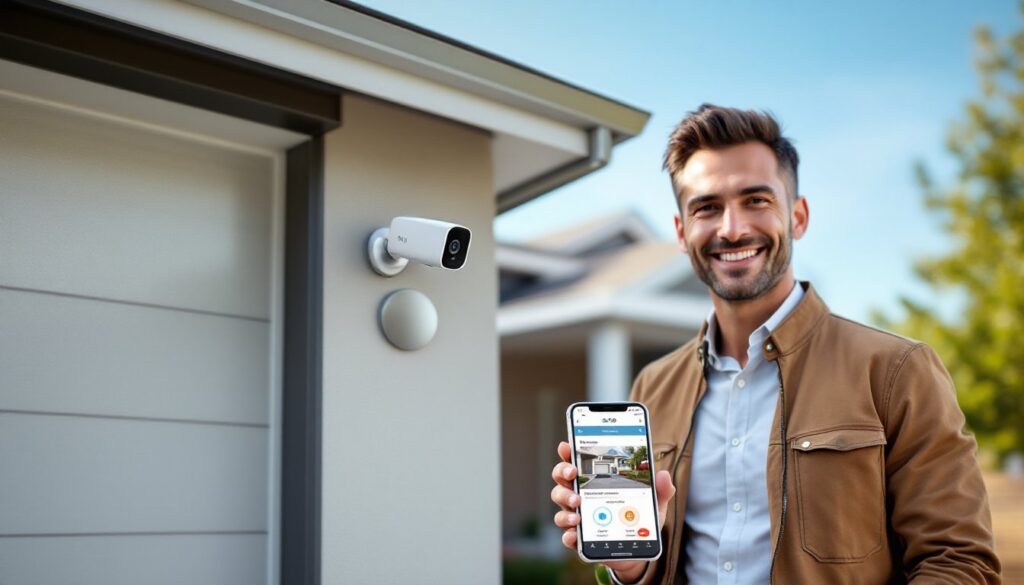
If you’ve been putting off upgrading your home security, wireless options like Arlo security cameras have removed the biggest barrier: you don’t need an electrician anymore. These battery-powered systems snap onto exterior walls, connect to your Wi-Fi, and start recording within minutes. Whether you’re monitoring your front porch for package theft or keeping an eye on your backyard while you’re away, Arlo wireless cameras offer the flexibility and reliability that wired systems often demand at half the installation hassle. In 2026, the choices are solid, from budget-friendly Essential models to professional-grade Ultra systems. Let’s break down what actually matters when choosing the right setup for your property.
Table of Contents
ToggleKey Takeaways
- Arlo security cameras eliminate the need for electricians and wiring, allowing installation on exterior walls in minutes with just Wi-Fi connectivity.
- The three-tier lineup—Essential (1080p), Pro (2K), and Ultra (4K)—addresses different budgets and needs, with Pro offering the best balance of performance and battery life for most homeowners.
- AI-powered detection for persons, vehicles, and packages dramatically reduces false alarms compared to basic motion-triggered systems.
- Proper placement at 8-10 feet high with strong Wi-Fi signal (-65 dBm minimum) and weatherproofing angles ensures reliable coverage and recording quality.
- Arlo Secure subscription plans ($2.99–$29.99/month) provide cloud storage, activity zones, and advanced detection, though local clip buffering works for low-risk properties.
- Color night vision on Ultra models and strategic multi-camera setups covering entry points and perimeter create comprehensive home security without complex installation.
Arlo Camera Models and Lineup Overview
Essential, Pro, and Ultra Series Comparison
Arlo currently offers three main tiers, each designed for different monitoring needs and budgets. The Essential line is the entry point, think of it as the starter kit for homeowners who want basic motion alerts and daytime recording without premium frills. You’re getting 1080p video, reliable motion detection, and two-way audio, which handles most residential use cases like monitoring a front porch or garage.
The Pro series steps up to 2K resolution and adds meaningful perks: faster notifications, 160-degree field of view (versus 130 degrees on Essential), and slightly better night vision performance. If you’re covering a wider area or want sharper details for identifying faces or vehicle plates, Pro bridges the gap between budget and premium.
At the top sits the Ultra line, offering 4K video, an expanded 180-degree field of view, and color night vision, you’re actually seeing colors in low light instead of grayscale. The data processing is faster too, meaning alerts hit your phone quicker. One important trade: Ultra models consume more battery and may need charging every 4-6 months depending on activity levels, whereas Essential cameras can stretch 6-12 months on a single charge.
For comparison context, expert reviews of the Arlo Ultra highlight the 4K advantage when you need to zoom in on recorded footage without losing detail. Most homeowners settle on Pro for the sweet spot of performance and battery life. The Essential works fine if you want one camera over a single entry point, say, just the front door. Ultra makes sense if you’re building a multi-camera system and plan to store and review footage regularly.
Key Features and Technology That Matter
Smart Detection, Video Quality, and Night Vision
Beyond resolution numbers, what separates these cameras is their intelligence. All Arlo models now use AI-powered person, vehicle, and package detection, meaning your phone won’t light up every time a leaf blows past. You set rules: notify me only if a person approaches the door, or if a vehicle enters the driveway after sunset. This cuts false alarms dramatically compared to older motion-triggered cameras.
Video quality deserves clarity: 1080p captures roughly 2 megapixels, which is good enough for identifying someone’s clothing or general activity but may blur facial details beyond 10 feet. 2K (2560×1440) adds visible sharpness for things like reading a delivery package label or spotting a license plate. 4K (3840×2160) is overkill for most homes unless you’re reviewing footage extensively or running a two-camera setup covering a large perimeter.
Night vision is where Arlo’s tiers genuinely diverge. Essential and Pro use infrared (black-and-white) night vision, which is reliable but strips color information, you’ll see the shape of an intruder but not whether they’re wearing red or blue. Ultra’s color night vision uses low-light sensor technology to preserve color detail, which can help with identification if you ever need to work with police footage.
Battery life is tied to activity and settings. Heavier recording (24/7 mode) or frequent motion events drain cells faster. Most homeowners running standard motion-detection setups see Essential cameras last 8-10 months between charges, Pro around 6-8, and Ultra around 4-6 months. All models support solar panel chargers as an optional add-on, worth considering if you want to reduce battery swaps to nearly zero.
Installation, Setup, and Placement Tips
One of Arlo’s biggest selling points is the absence of wiring. You don’t need to drill cable runs through framing or hire an electrician to interpret building codes. That said, placement and mounting still require thought.
Mount height matters. Position cameras 8-10 feet high on walls: this angle captures faces and upper-body detail better than lower mounts and reduces false alerts from ground-level motion (pets, landscaping equipment). Avoid pointing directly into the sun or bright yard lights, glare washes out daytime video and confuses motion detection.
Cover your entry points first. Start with your front door or garage entry. These are high-theft zones and typically get good Wi-Fi signal from interior routers. If you’re adding a second or third camera for perimeter coverage, prioritize windows or side gates, anywhere an intruder might scout the house without walking straight up to a visible entry.
Wi-Fi range is real. Arlo cameras need signal strength of at least -65 dBm to stay reliably connected. If you’re mounting a camera 40+ feet from your router with brick and concrete in between, expect disconnections. Either move your router, add a mesh Wi-Fi node closer to the camera, or upgrade to an arlo wireless security camera system if you haven’t already invested in that infrastructure.
Use the right mounting bracket. Arlo ships with adhesive strips or basic screw mounts. Adhesive works on clean, smooth surfaces (painted wood, vinyl siding) but fails on stucco or textured finishes. If you’re attaching to rough surfaces, use the stainless steel bracket and corrosion-resistant fasteners, galvanized or marine-grade screws, especially in coastal areas where salt spray accelerates rust.
Weatherproofing prep is essential. These cameras are IP65-rated, meaning they handle rain and dust but not direct spray. Don’t mount them directly under gutters or facing where a hose will hit them. Angle slightly downward (about 5-10 degrees from horizontal) so rain runs off the lens rather than pooling.
Once mounted, setup is straightforward: download the Arlo app, scan a QR code on the camera, connect it to your Wi-Fi, and you’re live. Walk through your property to verify coverage areas overlap and key zones are in frame, you’ll catch placement mistakes here before relying on the system for months.
Arlo Secure Plans and Cloud Storage Options
Arlo cameras record locally to the camera’s memory buffer (typically holds 7 days of motion clips), but for serious storage and playback control, you’ll want an Arlo Secure subscription.
The basic Arlo Secure plan ($2.99/month per camera or $9.99/month for up to 5 cameras) gives you 30 days of cloud backup, activity zones (define areas you care about to filter out false alerts), and advanced person/vehicle/package detection. If a package shows up, your notification specifically says “package detected” instead of generic “motion alert.”
Arlo Secure Plus ($9.99/month per camera or $29.99 for up to 5) extends to 60 days of storage, adds 24/7 recording capability (not just motion clips), and unlocks emergency response integration, if you enable it, Arlo can notify emergency services in certain situations. Most homeowners never use the emergency piece, but the 60-day storage is useful if you’re away for extended periods or want better historical footage.
If you’re building a multi-camera setup, the family plans make sense: $29.99/month for up to 5 cameras on Secure Plus beats paying per-camera. Many homeowners run two front-facing cameras plus one backyard camera under a single plan.
Alternatively, some people skip the subscription and rely on the local clip buffer alone, if an incident happens, you grab the 7-day clip from the app before it expires. This works if your theft or trespassing risk is low and you mainly want real-time alerts for package delivery.
Data privacy note: footage lives on Arlo’s encrypted servers, not exposed to the internet. Your login credentials secure access. Still, if privacy is a top concern, review Arlo’s latest security and privacy documentation to understand data retention policies.
Conclusion
Arlo security cameras deliver genuine flexibility for homeowners tired of wired complexity. Whether you choose Essential for a single entry point or build out a multi-camera Pro or Ultra network, installation is within reach for anyone comfortable with a screwdriver and a Wi-Fi connection. Focus on placement, verify Wi-Fi strength before mounting, and pair your hardware with a subscription plan that matches your storage and detection needs. The result is reliable, wire-free monitoring that works as a backup to your insurance and a real deterrent to opportunistic theft.