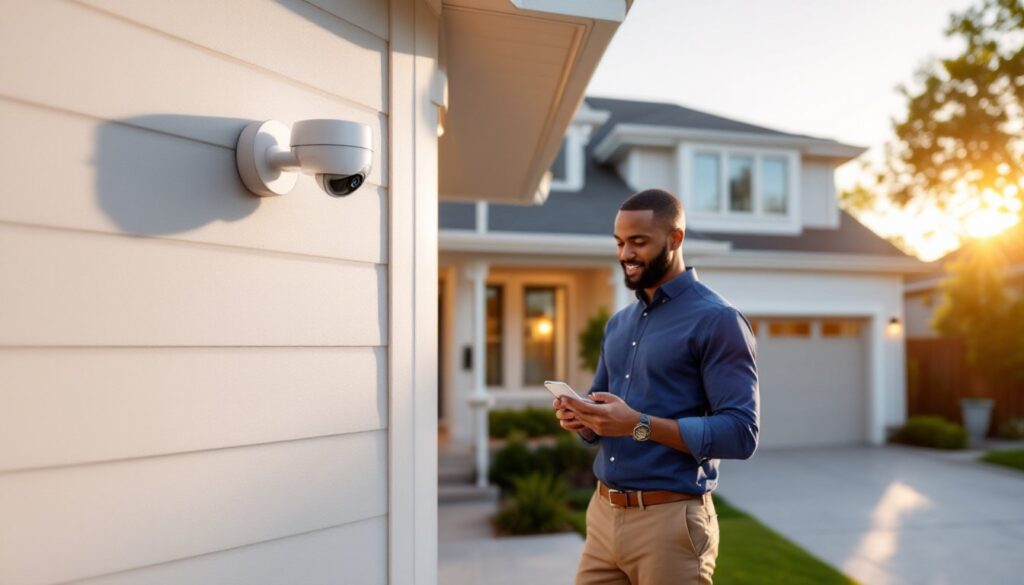
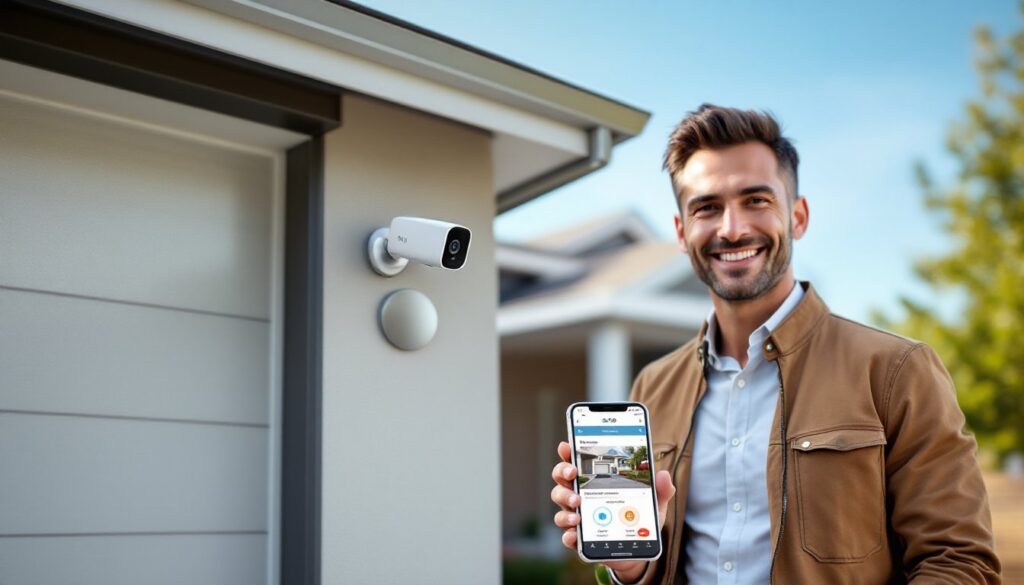
Wireless exterior cameras have gone from clunky novelties to genuinely useful security tools, and 2026 is the year they finally feel mainstream. Battery life is longer, video is sharper, and most models skip the electrician entirely. That’s a big deal for homeowners who want real protection without fishing cable through siding or splicing into a junction box. This guide breaks down how a camera wireless exterior setup actually works, what features matter, where to mount each unit, and the small installation details that separate a reliable system from a frustrating one.
Table of Contents
ToggleKey Takeaways
- Wireless exterior cameras now offer longer battery life, sharper video, and true no-wire installation, making them a mainstream security solution for 2026 homeowners.
- Prioritize 2K resolution, 130°–160° field of view, and IP65+ weather rating when selecting a camera wireless exterior system for reliable performance.
- Optimal placement at front doors (7–9 feet high), driveways, rear entries, and side yards provides better coverage than random camera placement.
- DIY installation requires proper sealing with exterior-grade silicone caulk, signal strength testing before mounting, and compliance with local privacy ordinances.
- Regular maintenance—lens cleaning, firmware updates, and seasonal battery checks—keeps wireless exterior cameras functioning reliably while protecting network security and neighbor privacy.
How Wireless Exterior Cameras Work
A wireless exterior camera captures video on a small image sensor, encodes it, and pushes the feed over Wi-Fi (or a proprietary radio) to a hub, a cloud server, or directly to a phone app. “Wireless” usually refers to the data connection, not the power. Some units still need a low-voltage cable: true wire-free models run on rechargeable batteries or a small solar panel.
Most systems pair with a base station that talks to the router, which improves range and reduces battery drain. Newer cameras, like the Blink Outdoor 4 range extension setup, can now reach up to 400 feet from the hub with the right antenna accessory. That matters for detached garages, sheds, and long driveways.
Key Features to Look for in an Outdoor Wireless Camera
Not every spec sheet number translates to better footage. Here’s what actually moves the needle when shopping for a home security camera in 2026.
Video Quality, Night Vision, and Field of View
- Resolution: 2K (2560×1440) is the current sweet spot. 4K looks great but eats bandwidth and battery.
- Field of view (FOV): 130°–160° covers most driveways and yards. Anything wider distorts faces at the edges.
- Night vision: Color night vision needs ambient light or a built-in spotlight. Infrared (IR) works in total darkness but only in black and white.
- HDR: Helps balance bright sky against shaded porches, where cheap cameras blow out highlights.
A solid buyer’s outdoor camera comparison guide breaks down how these specs trade off against each other.
Power Source, Weatherproofing, and Connectivity
- Power: Battery, solar, or low-voltage plug-in. For hard-to-reach spots, solar powered options eliminate the ladder-climb recharge cycle.
- Weather rating: Look for IP65 or higher. IP65 handles rain and dust: IP66/67 survives heavy storms.
- Connectivity: Dual-band Wi-Fi (2.4 GHz + 5 GHz) is now standard. 2.4 GHz reaches farther through walls, 5 GHz pushes higher-res video.
Best Placement Spots Around Your Home
Coverage is about angles, not camera count. Four well-placed units beat eight randomly bolted ones.
- Front door / porch: Mount 7–9 feet high, angled down about 15–20°. Captures faces, not just the tops of heads.
- Driveway: Covers vehicles, deliveries, and the approach to side gates.
- Back yard or patio door: Most break-ins happen at rear entries. A wireless security camera here is non-negotiable.
- Detached garage or shed: Often overlooked. This is where range extenders or a solar model earn their keep.
- Side yards: Narrow corridors between fences are blind spots most homeowners forget.
Avoid pointing cameras directly at the sun’s east-west arc, which creates lens flare and washes out faces during the worst hours for porch piracy.
DIY Installation Tips and Common Mistakes to Avoid
Most wireless exterior cameras are genuinely DIY-friendly. A drill, a level, and a stud finder cover 90% of installs. That said, a few details trip people up.
Tools and materials:
- Cordless drill with masonry bit (for brick/stucco) or standard bit (for siding/fascia)
- Stainless steel screws and exterior-rated wall anchors
- Level, pencil, tape measure
- Safety glasses and a sturdy ladder with a spotter
Steps:
- Pair the camera indoors first. Confirm the app, firmware, and Wi-Fi connection before climbing anywhere.
- Test signal strength at the mounting location with the camera held in place. If bars drop below 50%, move closer or add an extender.
- Mark holes with the mounting plate level. Pre-drill, insert anchors, then secure the bracket.
- Seal screw holes with exterior-grade silicone caulk to prevent water intrusion behind siding.
- Aim the camera, then walk the field of view to confirm coverage in the app.
Common mistakes:
- Mounting too high (over 10 feet), great for vandal resistance, terrible for facial recognition.
- Skipping the caulk step. Water behind siding rots sheathing fast.
- Ignoring HOA rules or local privacy ordinances about cameras facing neighboring property.
- Running a low-voltage power cable through an exterior wall without a proper grommet or weatherproof gland.
If the install requires tapping into 120V household wiring (such as hardwired floodlight cams), that’s NEC territory and may need a licensed electrician, codes vary by jurisdiction.
Maintaining Performance and Protecting Your Privacy
A camera is only useful if it keeps working. Plan a quick seasonal check: wipe the lens with a microfiber cloth, clear spider webs (a top cause of false motion alerts), and confirm batteries or solar panels are charging as expected. Most battery powered wireless cameras need a recharge every 3–6 months depending on traffic and recording settings.
Firmware updates matter more than people realize. Outdated cameras are a known entry point for network intrusions. Turn on automatic updates and use a strong, unique Wi-Fi password, ideally on a separate IoT network segmented from personal devices.
Privacy goes both ways. Aim cameras at owned property, not neighbors’ windows or public sidewalks where local laws may apply. Two-way audio should be disabled when not needed, and cloud subscriptions should be reviewed annually. Recent wireless camera roundups from CNET note that subscription costs can quietly double the long-term price of a system, so it pays to compare local-storage options like microSD or a base-station hub.
For homeowners weighing ecosystems, the Arlo wireless lineup remains a strong pick for its sensor quality and integration, though Blink, Eufy, and Reolink each have specific strengths worth comparing.
Final Thoughts
A good wireless exterior camera setup isn’t about buying the flashiest hardware, it’s about placement, weatherproofing, and a network that won’t quit. Start with two or three cameras in high-traffic spots, dial in the angles, and expand from there. Done right, the whole system installs in an afternoon and quietly does its job for years.