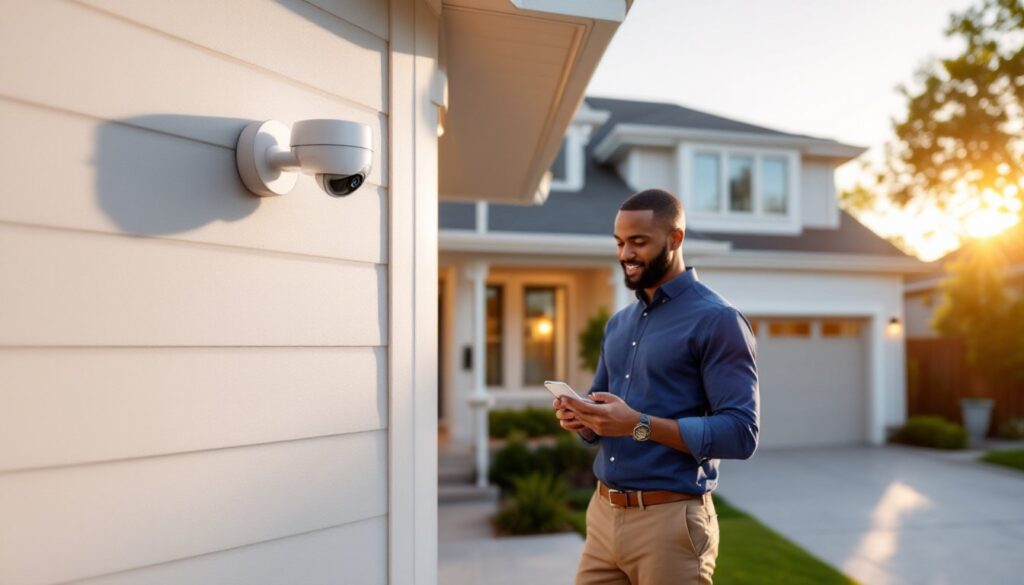
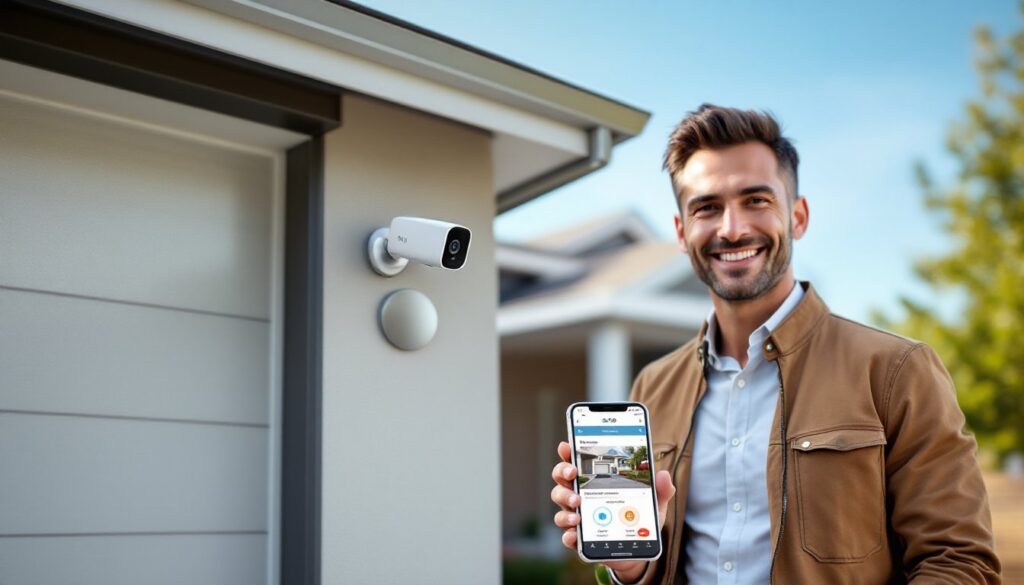
If you’re thinking about adding a home security camera to your property, Arlo wireless cameras keep showing up in the conversation for good reason. They’re flexible, they don’t require running electrical wires through walls, and they work with most home setups without a lot of fuss. Whether you’re monitoring a front porch, garage, or backyard, understanding what Arlo offers and how to get it installed right can save you time and money down the road. This guide walks you through the current lineup, what features actually matter for your space, and how to get everything connected and working smoothly.
Table of Contents
ToggleKey Takeaways
- Arlo wireless cameras come in three main tiers—Essential (1080p), Pro (2K), and Ultra (4K)—so match the model to your coverage area and budget rather than overspending on unnecessary resolution.
- Color night vision, AI-backed motion detection, and activity zones are essential features that reduce false alerts and battery drain while improving identification accuracy.
- Proper placement 8–10 feet high with a clear Wi-Fi signal (at least –60 dBm) is critical for reliable performance, and a mesh network or access point is often cheaper than running cables.
- Battery life depends on resolution and detection settings; balanced configurations stretch batteries to 4–6 months, while high-resolution continuous monitoring drains them in 2–3 months.
- Enable two-factor authentication on your Arlo account and perform quarterly maintenance—including lens cleaning and battery checks—to maintain security and image quality over time.
Understanding Arlo’s Wireless Camera Lineup
Essential, Pro, and Ultra Models Compared
Arlo’s current wireless security camera lineup breaks down into three main tiers, and picking the right one depends on your coverage area, lighting conditions, and budget. The Arlo Essential is the entry point, it handles basic 1080p monitoring with motion detection and two-way audio. It’s solid for apartment entryways or a single monitored zone where you don’t need premium resolution.
Arlo Pro cameras step up to 2K resolution (2560 × 1920) and add features like color night vision and a wider field of view. This is the tier most homeowners land on: it covers typical use cases like front doors, driveways, and side yards without overspending. The Arlo Pro 2 and Arlo Pro 3 have slight variations in processing speed and battery life, but both perform well in mixed lighting.
Arlo Ultra is the premium option, offering 4K recording, advanced motion detection zones, and superior night vision performance. If you’re protecting a larger property or need to zoom in and identify details, the Ultra makes sense. Comparing Arlo’s Pro, Pro 2, and Ultra cameras reveals that resolution and field of view are the main differentiators, the Pro models give you 130° coverage while the Ultra pushes to 180°.
A practical tip: don’t overbuy. A 1080p camera on your covered porch catches license plates just fine. Reserve 2K or 4K for areas where zoom detail matters. Battery drain increases with higher resolution, so matching the camera’s spec to your actual monitoring need keeps maintenance lighter.
Key Features and Performance to Consider
Video Quality, Night Vision, and Detection
When evaluating a wireless security camera for your home, three core features shape real-world performance: video quality, night vision capability, and motion detection accuracy.
Video Quality and Frame Rate
Arlo cameras record at 25 fps (frames per second) in most modes, which is smooth enough for identifying people and vehicles. Higher resolution doesn’t always mean better security, a sharp 1080p image at night beats a blurry 4K shot in darkness. The Arlo Pro series records in HDR (high dynamic range) on newer models, which helps balance bright and dark areas in the same frame. This matters if your camera faces a bright window or porch light at dusk.
Night Vision and Low-Light Performance
Color night vision is now standard on Pro and Ultra tiers. Traditional infrared night vision shows grayscale, but color mode uses a larger sensor and longer exposure to capture actual color even in low light. This matters because a person’s clothing color can help identify them later. Infrared still works when color mode can’t, so cameras switch automatically. Test your camera in your actual lighting conditions, a backlit entryway behaves differently than a shaded side yard.
Motion Detection and Smart Alerts
The best Arlo cameras for different needs highlight that smarter motion detection saves battery and reduces false alerts. Arlo’s recent models use AI-backed detection that distinguishes people, vehicles, and animals, so you don’t get woken by a raccoon crossing your yard if that’s not what you’re tracking. You can also create activity zones, tell the camera to ignore motion near a tree but alert you if someone crosses the driveway. This dramatically cuts notification fatigue.
Battery life is tied to detection frequency and video quality. A camera set to high resolution and sensitivity checks the scene more often, draining the battery in 2–3 months. Balanced settings stretch batteries to 4–6 months between charges. Exact figures vary by model and weather.
Installation, Setup, and Wi-Fi Requirements
Installing an Arlo wireless security camera is genuinely straightforward, but cutting corners on placement and Wi-Fi strength undermines the whole setup.
Physical Placement and Mounting
Mount your camera 8–10 feet high and angled slightly downward to capture faces, not just the top of heads. Avoid pointing directly into bright light sources, position it so sunlight or porch lights don’t backlight your subject. Use the included weatherproof bracket and stainless steel hardware: don’t substitute cheap fasteners outdoors. If mounting into stucco or brick, use concrete anchors rated for the camera’s weight (typically 8–12 oz). Drywall alone won’t hold: you’ll need a stud or toggle anchor.
For a camera facing a covered porch, angle it to see the landing and approach. For a driveway camera, position it 6–8 feet to the side rather than directly above the target zone, this angle captures vehicle details better than a straight overhead shot.
Wi-Fi and Network Setup
Arlo cameras need a stable 2.4 GHz Wi-Fi signal (some models also support 5 GHz). Position your router or Wi-Fi extender with a clear line of sight to outdoor cameras. A camera 30 feet away with two walls between it and your router will struggle. Signal strength matters for streaming and frequent uploads. Use the Arlo app to check signal quality during setup, you want at least –60 dBm.
If your Wi-Fi doesn’t reach that far, a mesh Wi-Fi system or dedicated access point is cheaper than pulling cable. Arlo security cameras reviewed for 2026 emphasize that consistent connectivity is non-negotiable for reliable motion alerts.
Initial Setup and Account Configuration
Download the Arlo app, create or log into your account, and add the camera using the QR code on the device. The app walks you through connecting to your Wi-Fi and naming the camera. Take time during this step to assign it to a room or zone (“Front Door,” “Garage”) so alerts are clear when you’re viewing multiple cameras.
Enable two-factor authentication on your account. This adds a step when logging in but prevents someone from remotely accessing your camera feed. Battery-powered cameras should charge fully before first use, about 2–3 hours from empty. Installing a wireless security camera involves more than just mounting: proper Wi-Fi planning and account security are equally important.
Ongoing Maintenance
Check your camera’s field of view quarterly. Dust, spider webs, or a neighbor’s tree branch can degrade image quality over time. Clean the lens gently with a microfiber cloth. On battery-powered units, check the battery status monthly and plan charging before the indicator drops below 20%. Extreme heat or cold slows battery chemistry: a camera in direct sun discharges faster than one in shade.
Conclusion
Arlo wireless cameras fit most homeowner security setups without the complexity or cost of wired systems. Pick the model tier that matches your space and lighting needs, place it thoughtfully, and ensure your Wi-Fi can support it. The hardest part is usually deciding where to start, a single front-door camera often reveals that you need one at the side gate or garage, and that’s fine. Start small, test the system for a month, and expand if needed. The flexibility of wireless is that you can move or add cameras as your needs change.