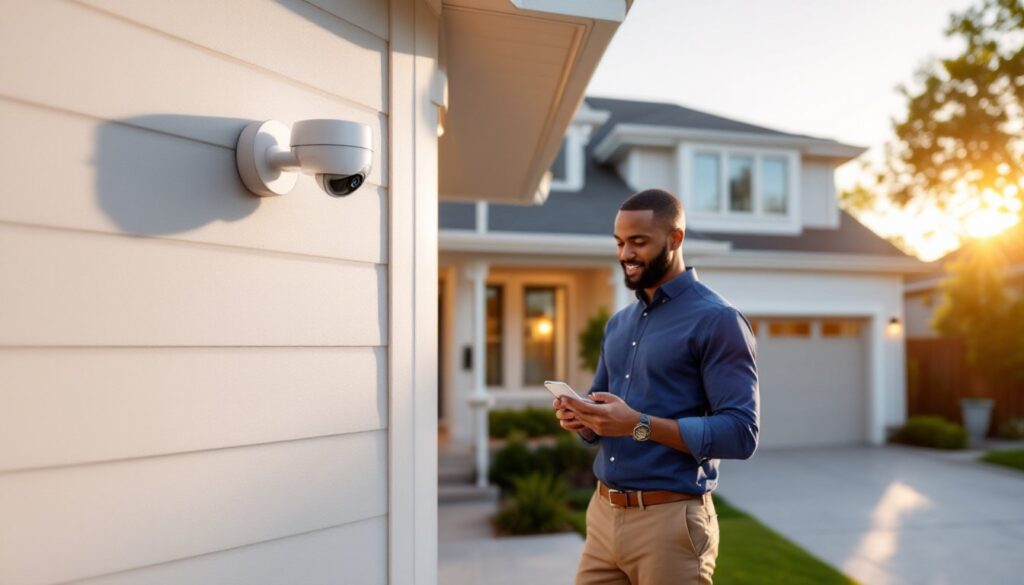
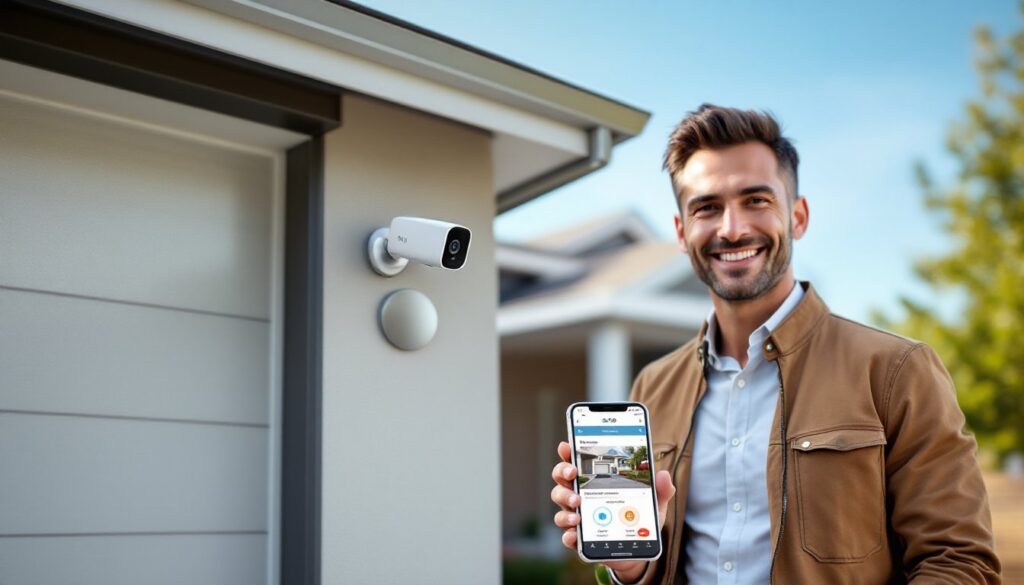
New York City homeowners face unique security challenges. Between package theft, property vandalism, and the sheer density of urban living, protecting your home requires more than just a deadbolt. Security cameras have shifted from luxury to necessity, and the good news? Installation is more accessible than ever, whether you tackle it yourself or bring in a pro. This guide walks through everything from choosing the right system to understanding NYC’s installation regulations, plus when to call in professional help versus rolling up your sleeves and mounting cameras yourself.
Table of Contents
ToggleKey Takeaways
- Security camera installation in NYC protects against package theft, property vandalism, and provides evidence for insurance claims, making surveillance a necessity rather than luxury in urban environments.
- Wireless systems are ideal for DIY security camera installation in NYC, while wired systems require professional help due to the complexity of running cables through older buildings with thick brick or plaster walls.
- Choose 1080p resolution for standard needs or 4K for detailed footage like license plates, and prioritize outdoor cameras at 8–10 feet height to prevent tampering while keeping faces visible.
- Most residential installations don’t require permits unless new electrical circuits are needed, but landmarked buildings and co-op/condo buildings must obtain approval before mounting cameras on exterior walls.
- Professional security camera installation in NYC averages $150–$500 per camera and is recommended for complex wired setups with 4+ cameras or work on multi-story buildings requiring proper permitting and configuration.
- Store recordings securely and remember that New York’s privacy laws prohibit audio recording in private spaces and aiming cameras at neighbors’ windows, even if video recording on your own property is legal.
Why NYC Homeowners Need Security Cameras Now More Than Ever
Property crime in New York remains a persistent concern, with package theft alone spiking during delivery-heavy months. Visible cameras act as deterrents, most burglars skip homes with obvious surveillance. Beyond theft, cameras help resolve neighbor disputes, monitor service workers, and provide evidence for insurance claims.
Multi-family buildings and row houses face added complexity. Shared entryways, fire escapes, and alleyways create blind spots that cameras can cover. For brownstone owners, monitoring basement-level windows and rear yards is critical, since these access points are harder to see from the street.
Remote monitoring matters more in a city where people travel frequently. Whether you’re upstate for the weekend or stuck at the office, live feeds let you check in on deliveries, contractors, or unexpected visitors. Modern systems send alerts for motion or sound, turning your phone into a real-time security hub.
Choosing the Right Security Camera System for Your NYC Home
Start with resolution and field of view. A 1080p camera suffices for most residential needs, but 4K captures finer details like license plates or faces at a distance. Wide-angle lenses (110–130 degrees) reduce the number of cameras needed, especially for covering stoops or driveways.
Wired vs. wireless is the next decision. Wired systems (using coaxial or Ethernet cables) offer stable feeds and no battery changes, but installation requires running cables through walls or conduit. Wireless cameras rely on Wi-Fi and battery packs or solar panels, making them easier to mount but dependent on signal strength. In older NYC buildings with thick brick or plaster walls, Wi-Fi can struggle, test your signal before committing to wireless.
Cloud storage vs. local recording affects ongoing costs. Cloud subscriptions range from $3 to $30/month per camera, depending on retention length and video quality. Local storage uses SD cards or a network video recorder (NVR), eliminating monthly fees but requiring manual backups. Home security cameras no subscription systems appeal to budget-conscious homeowners who want to avoid recurring charges.
Night vision and weather resistance are non-negotiable for outdoor use. Infrared LEDs provide monochrome night footage up to 30 feet: some models add color night vision using ambient light. Look for an IP65 or IP66 rating to handle rain, snow, and NYC’s temperature swings (summer heat and winter freeze cycles can crack cheaper housings).
Indoor vs.Uldoor Cameras: What New York Properties Require
Outdoor cameras prioritize durability and deterrence. Mount them at 8–10 feet to prevent tampering while keeping faces visible. Cover entry points first: front door, back door, garage, and ground-floor windows. For row houses, side alleys and rear yards need coverage, many break-ins happen where neighbors can’t see.
Indoor cameras focus on high-value areas: entryways, hallways leading to bedrooms, and rooms with electronics or jewelry. Two-way audio is useful for checking in on pets, kids, or service workers. Privacy matters here, never aim cameras at bathrooms or bedrooms, and disclose their presence to guests or employees.
Apartment dwellers face restrictions. Most co-ops and condos prohibit cameras in common hallways or lobbies. Stick to your unit’s interior and your own doorway. Ring-style doorbells are popular but check your building’s rules before mounting one, some boards consider them a liability.
DIY Installation vs. Professional Security Camera Installation in NYC
DIY installation saves money, expect to spend $100–$500 on cameras and mounts, with no labor costs. Wireless systems are the easiest: mount the bracket, screw in the camera, connect to Wi-Fi, and you’re live. Battery-powered models require even less: some use adhesive mounts.
Wired systems demand more skill. Running Cat6 Ethernet or coaxial cable through walls means drilling holes, fishing lines through studs, and possibly cutting into drywall. If your home has an unfinished basement or attic, routing cables is simpler. Older NYC buildings with lath-and-plaster walls or brick exterior walls make this tough, you may need an SDS hammer drill for masonry anchors.
When to hire a pro: complex wired setups with 4+ cameras, systems integrated with smart home hubs, or installations requiring exterior conduit runs. Licensed electricians handle power hookups if you’re tapping into existing circuits. Security camera installation in New York averages $150–$500 per camera including labor, depending on whether you’re running new wiring or mounting wireless units.
Professionals also configure network video recorders (NVRs), set up remote access securely, and ensure cameras align properly. They’ll ladder-work on multi-story buildings, which is safer than DIYing a third-floor install. If your building requires permits (see below), pros handle filings and inspections.
Step-by-Step Guide to Installing Your Own Security Cameras
Tools and materials you’ll need:
- Cordless drill with bits (masonry bit for brick, twist bits for wood)
- Screwdriver (Phillips and flathead)
- Stud finder (for mounting on wood siding or interior walls)
- Ladder (tall enough to reach mount height safely)
- Level (even a cheap bubble level works)
- Cable clips or conduit (for wired systems)
- Weatherproof electrical tape or silicone sealant (outdoor installs)
- Safety glasses and gloves
Step 1: Plan camera placement. Walk your property and note blind spots. Test Wi-Fi strength outdoors using your phone, cameras need solid signal. Mark mount spots with painter’s tape.
Step 2: Mount the bracket. Hold the bracket at your marked spot and level it. Drill pilot holes (use a 5/32″ bit for most plastic anchors, 3/16″ for masonry). Insert anchors, then screw the bracket tight. On brick, tap anchors in gently with a hammer.
Step 3: Run cables (wired systems only). Drill a ½” hole through the exterior wall near the bracket, angling slightly downward to prevent water entry. Feed the cable through, leaving 12–18 inches of slack at the camera end. Use cable clips every 18 inches along the run. Seal the hole with silicone caulk.
Step 4: Attach the camera. Most cameras twist-lock or bolt onto the bracket. Connect power (plug-in, battery, or PoE Ethernet). Adjust the angle, you want the camera tilted 15–20 degrees downward to capture faces, not sky.
Step 5: Connect to your system. For wireless, follow the app’s pairing instructions (usually involves scanning a QR code). Wired cameras plug into the NVR or DVR. Boot everything up and check the live feed. Adjust angles as needed, walk through the camera’s view and confirm it catches what you need.
Step 6: Weatherproof connections. Wrap any outdoor cable junctions with weatherproof tape. If using conduit, secure it with conduit straps every 3 feet. Check that no cables sag or create trip hazards.
Safety note: Work with a partner when using ladders. Turn off power at the breaker if drilling near electrical wires. Wear safety glasses when drilling overhead, brick dust and wood chips will fall.
NYC Regulations and Permits You Need to Know Before Installing
Most residential camera installations don’t require permits in NYC, but there are exceptions. If you’re running new electrical circuits to power cameras, that’s electrical work requiring a licensed electrician and possibly a Department of Buildings (DOB) permit. Battery-powered and plug-in cameras avoid this.
Exterior work on landmarked buildings (common in brownstone Brooklyn or the Upper West Side) may need Landmarks Preservation Commission approval, especially if you’re altering the facade. Even drilling into a landmark building’s exterior can trigger a violation. Check with the LPC before mounting anything visible from the street.
Co-op and condo rules override city code. Read your building’s bylaws or alteration agreement. Many ban cameras in hallways, shared courtyards, or exterior walls without board approval. Submit an alteration request in writing, including camera specs and mount locations.
Privacy laws matter. New York is a one-party consent state for audio recording, but you can’t record audio in places where people expect privacy (bathrooms, changing areas). Video recording is legal on your property, but aiming cameras at a neighbor’s windows or yard can lead to harassment claims. Keep your field of view on your own property.
Footage retention and access: If you use footage in a legal dispute, it may become evidence. Store recordings securely (encrypted cloud or password-protected NVR). If police request footage, you’re not required to hand it over without a warrant, but cooperation can help investigations.
Finding the Best Professional Installation Services in New York City
Start with platforms like HomeAdvisor or ImproveNet, which vet installers and surface reviews. Look for contractors with licensed electrician credentials if you need wiring work. Security-focused companies often bundle installation with monitoring services, but read contracts carefully, some lock you into multi-year agreements.
Questions to ask before hiring:
- Are you licensed and insured in NYC?
- Do you pull permits if needed, or is that my responsibility?
- What’s included in the install cost (cameras, cables, configuration)?
- Will you set up remote access and train me on the app?
- Do you offer a warranty on labor (common is 90 days to 1 year)?
Red flags: Quotes significantly below market rate (cheap labor often means unlicensed workers), pushy sales tactics for overpriced camera bundles, or refusal to provide references. A reputable installer will scope your property, test camera positions, and explain why they recommend specific placements.
Local vs. national companies: Local shops may offer better service and familiarity with NYC building quirks (old wiring, brick facades, co-op boards). National chains have standardized pricing but less flexibility. Get at least three quotes and compare not just price but scope, does one include conduit while another quotes surface-mount only?
Timeline: Simple wireless installs take 2–4 hours. Wired systems with 4–6 cameras can run a full day, especially if fishing cables through finished walls. Schedule during good weather if outdoor work is involved, drilling brick in freezing temps is miserable and harder on tools.