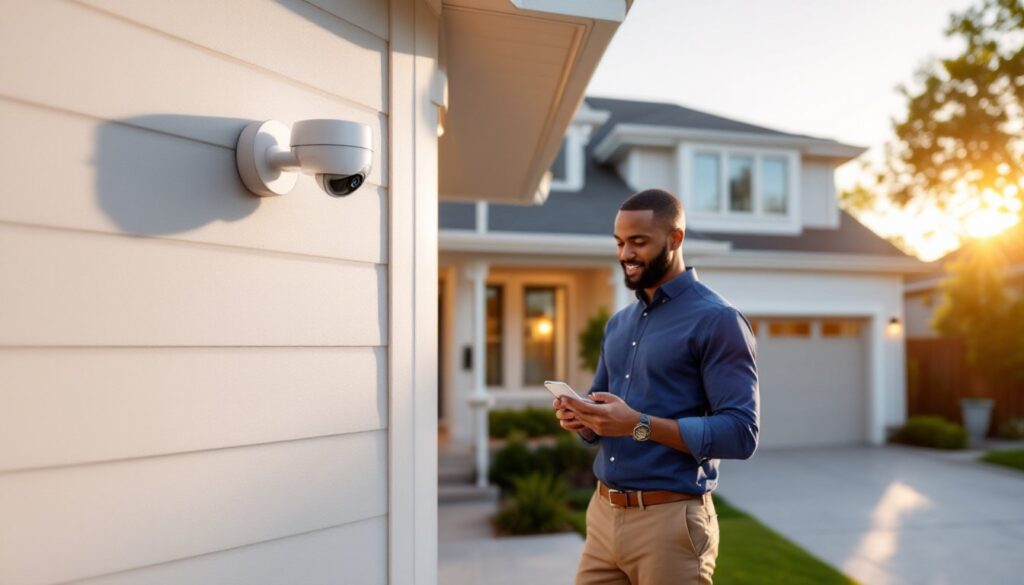
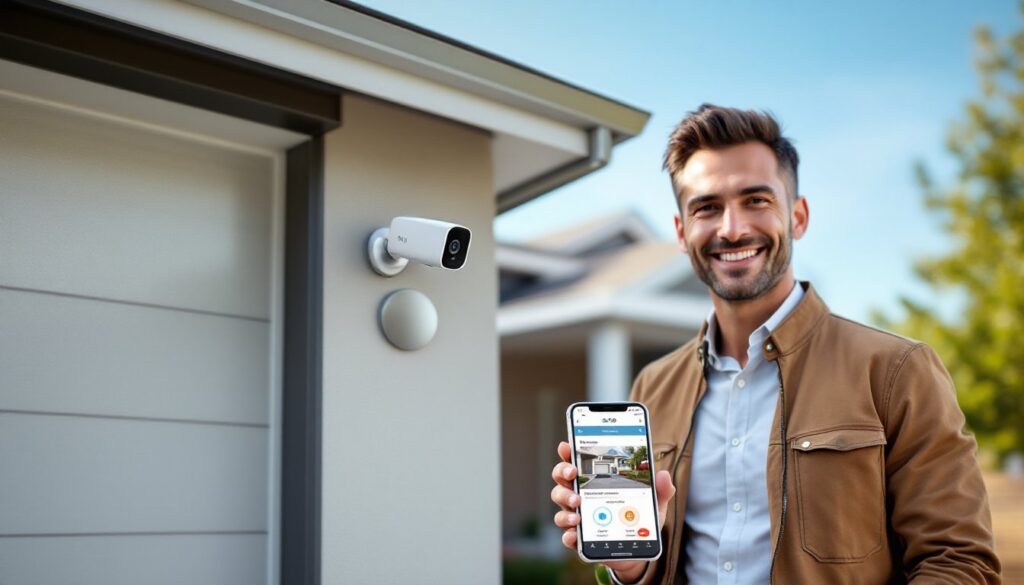
Installing a security camera in a rented apartment isn’t as simple as sticking one above the door. Between lease clauses, privacy laws, and neighbor complaints, tenants navigate a patchwork of legal requirements that vary by state, building type, and even the direction the camera faces. Understanding these rules before mounting hardware saves headaches, and potential legal trouble. This guide breaks down where tenants can legally place cameras, what permissions they need, and how to stay compliant with both landlord policies and state recording laws.
Table of Contents
ToggleKey Takeaways
- Apartment security camera laws for tenants vary by state and are governed by a mix of state wiretapping statutes, landlord-tenant codes, and local ordinances rather than federal law.
- Tenants can legally install cameras in interior spaces and their own doorways, but must avoid recording areas where others have a reasonable expectation of privacy, including bathrooms, bedrooms, and neighbor’s doors or windows.
- Two-party consent states like California, Florida, and Illinois require written approval before recording audio, so tenants should disable microphones or choose video-only models to avoid wiretapping violations.
- Written landlord permission is essential before installing any visible camera—even if state law permits it—since lease agreements can impose stricter restrictions and protect both parties legally.
- Non-invasive mounting options like adhesive strips, magnetic bases, and wireless batteries are renter-friendly alternatives that leave no damage and satisfy most lease restrictions.
- Test camera field of view before installation, secure footage with strong passwords and encryption, and document all equipment removal when moving out to avoid lease violations and deposit deductions.
Understanding Your Rights as a Tenant
Tenants generally have the right to secure their living space, but that right bumps up against landlord property rights and neighbor privacy protections. No federal law explicitly governs tenant security cameras: instead, a mix of state wiretapping statutes, landlord-tenant codes, and local ordinances set the boundaries.
Most states follow expectation of privacy principles: if a space is considered private (bathrooms, bedrooms, another tenant’s unit), recording there without consent is illegal. Public or semi-public areas, hallways, parking lots, building entrances, sit in a gray zone. Tenants can usually monitor their own doorway or patio, but pointing a camera at a neighbor’s door or window crosses into harassment or voyeurism territory.
Lease agreements often include clauses about alterations or electronic devices. Even battery-powered, wireless cameras might require written landlord approval if they’re visible from common areas. Before purchasing equipment, tenants should review their lease and state laws. Websites like Tom’s Guide offer product comparisons that help identify non-invasive camera types suitable for rentals.
Some jurisdictions, particularly in California, Illinois, and Florida, impose stricter two-party consent rules for audio recording. A camera with a microphone could inadvertently violate wiretapping laws if it captures conversations in shared spaces. Disabling audio or choosing video-only models sidesteps this risk.
Where You Can Legally Install Security Cameras in Your Apartment
Placement determines legality. Tenants have broad freedom inside their unit but must tread carefully at thresholds and shared boundaries.
Interior Spaces
Inside the apartment, tenants can place cameras almost anywhere, living rooms, kitchens, hallways, as long as they don’t record areas where guests or roommates expect privacy. Bathrooms and bedrooms occupied by others (roommates, guests, children) are off-limits unless explicit consent is obtained. Even then, recording in bathrooms remains illegal in most states regardless of consent.
Wireless, battery-powered models are renter-friendly because they avoid drilling into walls or running conduit. Cameras with adhesive mounts or magnetic bases leave no permanent marks, satisfying most lease restrictions on structural alterations. For tenants wanting subscription-free monitoring, home security cameras no subscription models store footage locally on SD cards or network-attached storage, eliminating cloud service fees.
Cameras should face inward, capturing entry points within the unit, never angled to view through windows into neighboring apartments. Even accidental recording of a neighbor’s interior can trigger privacy complaints or legal action.
Doorways and Entry Points
Front doors and patios present the trickiest scenarios. Tenants can monitor their own threshold, but the camera’s field of view matters. A doorbell camera or peephole cam aimed at the immediate entryway is generally permissible: one that captures the full hallway, neighboring doors, or building lobby may violate neighbor privacy or building policy.
Multi-unit buildings often have rules prohibiting cameras in common areas. Landlords argue that hallways, stairwells, and shared entrances are their property, not tenant-controlled space. Some allow doorway cameras with narrow fields of view (90 degrees or less) that capture only the tenant’s door and a minimal hallway slice. Motion-activated models reduce unnecessary recording of passersby, which can ease landlord and neighbor concerns.
Balconies and patios blur the line between private and public. Cameras overlooking a tenant’s own patio are typically fine, but those aimed at courtyards, pools, or other tenants’ outdoor spaces run afoul of privacy expectations. Adjusting the camera angle or using privacy zone masking (a software feature that blacks out portions of the frame) keeps focus on the tenant’s area while respecting neighbors.
Before installing any doorway camera, tenants should notify the landlord in writing. Many leases require approval for anything visible from outside the unit. Wireless, removable options with command strips or tension mounts are easier to defend than hardwired systems requiring drywall anchors or electrical work.
Navigating Lease Agreements and Landlord Permissions
Lease clauses trump generic tenant rights. Even if state law permits security cameras, a lease can impose stricter limits. Common restrictions include bans on drilling, prohibitions on visible exterior devices, and requirements for landlord approval before installing electronics.
Tenants should submit a written request detailing the camera model, placement, and installation method. Include photos or diagrams showing the proposed angle and field of view. Emphasize non-permanent mounting (adhesive, magnetic, freestanding) and clarify that the camera won’t damage walls or violate neighbor privacy. Landlords are more likely to approve devices that leave no trace upon move-out.
If the lease is silent on cameras, tenants still benefit from asking permission. Verbal approval is weak: get it in writing via email or a lease addendum. This documentation protects tenants if disputes arise later. Some landlords require proof of renter’s insurance covering liability for camera-related incidents (e.g., a neighbor claims harassment).
In buildings with homeowners’ associations (HOAs) or condo boards, additional rules may apply. These governing bodies can restrict camera types, colors, or visibility from common areas. Tenants in such properties should request a copy of HOA bylaws before purchasing equipment.
Refusal to grant permission isn’t always arbitrary. Landlords may cite liability concerns, a camera recording a slip-and-fall in the hallway could complicate insurance claims. Offering to disable audio recording or limit the camera’s view can address these worries. If a landlord denies a reasonable request without cause, tenants in some states can argue that security devices are a reasonable accommodation under habitability laws, particularly if prior break-ins or safety issues exist. Consulting a tenant rights attorney is advisable before pushing back.
Privacy Laws and Recording Restrictions You Must Know
State wiretapping and voyeurism laws impose strict limits on audio and video recording. Violating these statutes can result in criminal charges, civil lawsuits, and eviction.
Two-party consent states, including California, Connecticut, Florida, Illinois, Maryland, Massachusetts, Montana, New Hampshire, Pennsylvania, and Washington, require all parties to consent before recording conversations. A camera with a microphone in a hallway or shared space could capture neighbor chatter, violating consent requirements. Tenants in these states should disable audio or post signage indicating recording is in progress (though signage doesn’t fully shield from liability).
Even in one-party consent states, where only one party to a conversation must consent, tenants can’t record spaces where others have a reasonable expectation of privacy. Aiming a camera at a neighbor’s window, patio, or balcony invites harassment or stalking charges. Some states classify such behavior as voyeurism, a misdemeanor or felony depending on intent.
Recorded footage is subject to data privacy laws. If a camera captures identifiable individuals in common areas, tenants may need to secure that footage against unauthorized access. Storing video on unsecured cloud accounts or sharing clips on social media without blurring faces can violate privacy statutes or invite defamation claims. Local storage on encrypted devices offers better control. For insights on secure smart home setups, Digital Trends provides detailed guides on privacy-focused camera systems.
Audio recording bans extend beyond conversations. Capturing ambient noise, TV audio, phone calls, domestic disputes, from neighboring units can constitute illegal eavesdropping. Tenants should test their camera’s audio range and adjust settings to minimize pickup beyond their own space.
Some municipalities require permits or registration for residential surveillance systems, even inside private units. New York City, for example, mandates reporting of certain exterior cameras. Failing to register can result in fines. Tenants should check local ordinances through city clerk offices or tenant advocacy groups before installation.
Best Practices for Tenant-Friendly Security Camera Installation
Following best practices minimizes conflict, keeps installations reversible, and ensures legal compliance.
Choose non-invasive mounts. Adhesive strips rated for the camera’s weight (check manufacturer specs) hold lightweight models without drilling. Magnetic mounts attach to metal door frames or appliances. Freestanding cameras on shelves or counters require zero installation but must be stable enough to avoid tipping.
Test the field of view before finalizing placement. Use painter’s tape to mark the camera’s coverage area, ensuring it captures only the tenant’s space. Avoid angling cameras toward windows that overlook neighbors. Many cameras offer smartphone apps with live previews, making angle adjustments easier.
Disable audio recording unless absolutely necessary. Most cameras allow video-only modes in settings. This eliminates consent issues and reduces legal risk. If audio is essential (e.g., to hear break-in attempts), post visible signage and confirm state law permits one-party consent.
Secure footage with strong passwords and encryption. Default usernames like “admin” invite hacking. Enable two-factor authentication if available. For cloud storage, choose providers with end-to-end encryption and clear data retention policies. Local storage on a locked, password-protected device offers maximum control.
Notify neighbors and landlords proactively. A brief conversation or note explaining the camera’s purpose and limited view defuses tension. Showing neighbors the camera’s field of view on a phone app proves it’s not invasive. When planning a move, resources like Freshome offer checklists that include documenting camera removal and patching any minor wall marks.
Use motion-activated recording instead of continuous filming. This conserves storage, reduces battery drain, and limits unnecessary footage of neighbors passing by. Adjust motion sensitivity to avoid triggering on distant movement outside the tenant’s area.
Before moving out, remove all equipment and repair any damage. Fill adhesive mount holes with spackle, touch up paint if needed, and document the unit’s condition with photos. Leaving cameras or mounts behind can result in lease violation charges or security deposit deductions.
Safety note: Never splice into building electrical systems or hardwire cameras without landlord approval and a licensed electrician. DIY electrical work in rentals violates most leases and local codes, creating fire hazards and voiding insurance coverage.