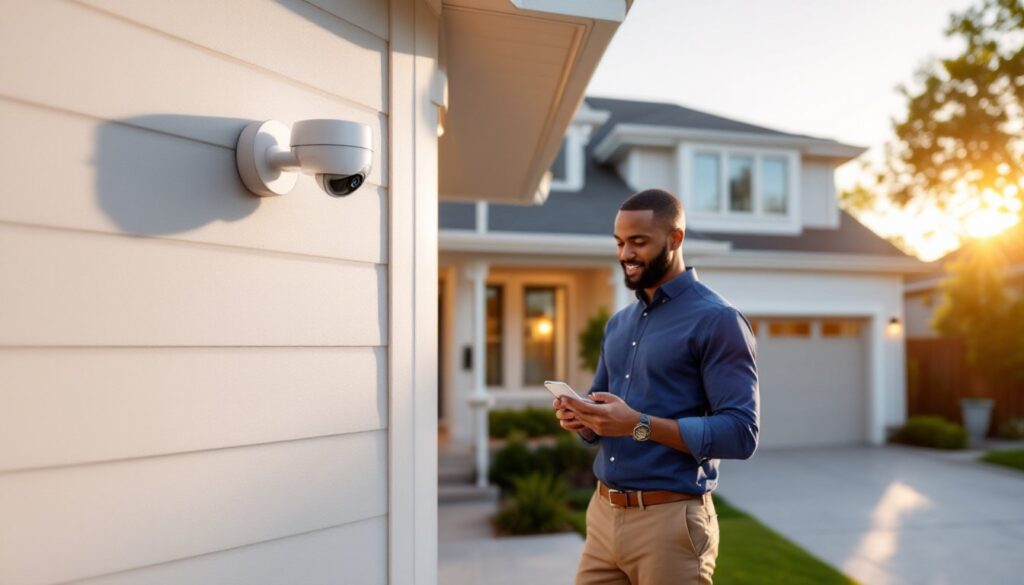
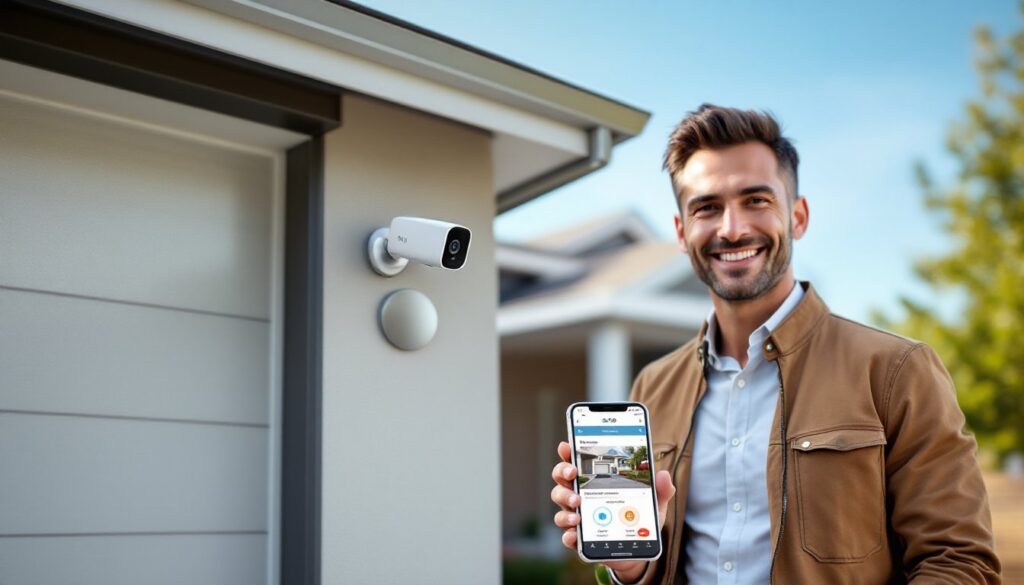
Battery powered security cameras have evolved from bulky, unreliable gadgets into legitimate home security tools. They eliminate the need for drilling through exterior walls, running low-voltage wiring, or hiring an electrician, a major win for renters, historic homes with tricky wiring, or anyone who doesn’t want to fish cable through insulation. Today’s models offer sharp video, dependable motion detection, and battery life measured in months, not days. But not all wire-free cameras deliver on those promises. Some drain batteries in weeks, others miss motion events, and a few can’t handle rain or cold. This guide covers what actually matters when choosing a battery powered security camera and which models perform best in real-world installations.
Table of Contents
ToggleKey Takeaways
- The best battery powered security camera balances installation flexibility, video quality, and battery longevity—typically lasting 2-6 months per charge under typical use with 10-20 motion events per day.
- AI-powered motion detection with customizable activity zones significantly reduces false alerts compared to basic PIR sensors, improving usability and battery efficiency.
- Weather resistance (IP65 rating or higher) and proper placement under eaves, away from direct sun and reflective surfaces, are critical for reliable outdoor performance and extended battery life.
- Cloud storage subscriptions add up quickly across multiple cameras; pairing local microSD storage with cloud backups provides both remote access and cost savings.
- Cold weather below 32°F can reduce battery performance by 30-50%, so placement, charging in warm conditions, and realistic seasonal expectations are essential for northern climates.
- For most homeowners, mid-range models like Arlo Pro 5S or eufy SoloCam S340 offer better long-term value than budget options, with superior AI detection and lower total cost of ownership through fewer false alerts and extended battery intervals.
Why Choose Battery Powered Security Cameras Over Wired Options
The biggest advantage is installation flexibility. Battery cameras mount anywhere within Wi-Fi range, no outlet, no junction box, no conduit. That means covering blind spots like detached garages, side gates, or sheds where pulling power would require trenching or exposed conduit runs.
Renters benefit most. Drilling holes for wired cameras often violates lease terms, and patching those holes on move-out is a hassle. Battery models attach with mounting brackets and two screws, leaving minimal damage.
They’re also immune to power outages. Wired cameras go dark when the breaker trips or a storm knocks out power. Battery units keep recording (assuming your Wi-Fi router has backup power or cellular fallback). Some models include local storage via microSD cards, so footage saves even if your internet goes down.
The trade-offs? Battery life depends on activity. A camera watching a busy street will drain faster than one monitoring a quiet backyard. Cold weather (below 32°F) can cut battery performance by 30-50%, since lithium-ion cells lose capacity in low temperatures. Most manufacturers rate batteries for 2-6 months per charge under “typical” use, but that assumes 10-20 motion events per day. High-traffic areas may require monthly recharging.
Wired cameras offer continuous recording and never need charging, but they require either low-voltage wiring (12-24V) from a transformer or Power over Ethernet (PoE), which means running Cat5e/Cat6 cable and using a PoE switch or injector. If you’re renovating or building new, wired is often the better long-term choice. For retrofits or quick installs, battery wins on convenience.
Top Features to Look for in a Battery Powered Security Camera
Resolution and night vision matter more than megapixel counts suggest. A 1080p camera with good dynamic range and infrared LEDs will outperform a muddy 2K sensor. Look for models with infrared (IR) range of 20-30 feet for black-and-white night footage, or color night vision via integrated spotlights (which drain batteries faster but provide clearer images). Some cameras use starlight sensors that capture color in low light without a spotlight, useful if you don’t want to announce the camera’s presence.
Motion detection customization separates usable cameras from notification spammers. Basic PIR (passive infrared) sensors trigger on heat changes, which means every passing car, branch, or neighborhood cat sets off an alert. Better models use AI-powered person/vehicle detection to filter false positives. Adjustable motion zones let you mask out sidewalks or streets while monitoring your porch.
Two-way audio is standard but quality varies. Cheaper cameras have tinny speakers and heavy latency, useless for real conversations. Higher-end units include noise cancellation and low-latency streaming, so you can actually warn off a porch pirate or talk to a delivery driver.
Weather resistance is non-negotiable for outdoor use. Check for an IP65 rating or higher (dust-tight, resistant to water jets). IP67 means submersion protection, though no camera should be installed where it’ll sit in standing water. Pay attention to operating temperature ranges. Many budget cameras fail below 20°F or above 110°F, a problem if you live in Minnesota or Arizona.
Battery type affects long-term cost. Rechargeable lithium-ion packs are standard, but some cameras use proprietary batteries ($30-50 each), while others accept rechargeable AAs. Proprietary batteries mean you’re locked into one manufacturer’s replacement cycle. Swappable batteries let you rotate spares without downtime. Solar panel compatibility is a bonus, it won’t eliminate charging, but it can extend intervals by weeks.
Storage options vary widely. Cloud storage usually requires a subscription ($3-10/month per camera), though some brands include a limited free tier (7 days, capped events). Local storage via microSD card (32-256GB) skips recurring fees but means footage is only accessible if you retrieve the card. A few models offer both, which is ideal: cloud for remote access, local as backup.
Best Battery Powered Security Cameras for Different Needs
Best Overall Performance
The Arlo Pro 5S delivers the most balanced feature set for 2026. It shoots 2K HDR video, includes a built-in spotlight and siren, and offers both 12× digital zoom and a wide 160° field of view. The dual-band Wi-Fi (2.4/5 GHz) helps in crowded networks, and the color night vision is genuinely useful, not just a gimmick. Battery life runs 5-6 months with moderate use (15-20 events/day), and the camera supports solar charging via Arlo’s panel accessory.
Arlo’s AI detection accurately flags people, vehicles, animals, and packages, with customizable activity zones that actually work. The free tier includes 30 days of cloud storage for up to 5 cameras, which is more generous than most competitors. The magnetic mount simplifies angle adjustments without loosening screws.
Downsides? The camera and hub (required for local storage and some features) run $300+ together. The hub connects via Ethernet to your router, which adds a setup step but improves range and reliability. This isn’t a budget pick, but it’s the most capable wire-free system available in 2026.
Best Budget-Friendly Option
The Blink Outdoor 4 strips away premium features but nails the basics for under $100. It records 1080p video, includes infrared night vision (black-and-white, 20-foot range), and runs on two AA lithium batteries that last up to two years, assuming low traffic (5-10 events/day) and mild weather. That battery life is legitimately impressive and beats rechargeable models on convenience.
Blink’s motion detection is PIR-based, so expect more false alerts than AI-filtered cameras. You can set activity zones in the app, but they’re less precise than higher-end options. Two-way audio works but has noticeable lag. The camera is IP65-rated and handles rain and snow without issue.
Storage defaults to Amazon’s cloud (Blink is an Amazon brand), which costs $3/month per camera or $10/month for unlimited cameras. There’s no free cloud tier, but you can add a Blink Sync Module 2 with a USB drive for local storage. For coverage on a tight budget, especially if you need multiple cameras, Blink delivers solid value. Just don’t expect the polish of pricier competitors.
Best for Smart Home Integration
The eufy SoloCam S340 excels at playing well with other systems. It supports Apple HomeKit Secure Video, Google Home, and Alexa, so it integrates cleanly whether you’re deep in Apple’s ecosystem or running Google hubs. The dual-lens setup (wide + telephoto) provides 8× hybrid zoom, and the camera can pan mechanically to follow motion, rare for a battery unit.
Video quality is sharp at 2K, and the solar panel is built in, not an add-on. In decent sunlight (4+ hours/day), the camera stays charged indefinitely. The onboard AI differentiates between people, pets, and vehicles without cloud processing, which keeps response times fast. All footage stores locally on 8GB of built-in memory (expandable via microSD), with no subscription required, a major selling point.
The mechanical pan/tilt mechanism adds wear points, and cold weather can slow its movement. Battery life without solar runs 3-4 months under typical use. At around $180, it’s mid-priced but offers unique features that justify the cost if smart home compatibility and home security solutions matter to you.
Installation Tips and Battery Maintenance Best Practices
Mount height affects both coverage and battery life. Install cameras 7-9 feet off the ground, high enough to avoid tampering but low enough for clear facial detail. Too high and you’ll capture the tops of heads: too low and the camera becomes an easy target. Use a level when marking screw holes: even a slight tilt makes footage disorienting.
Wi-Fi signal strength is critical. Battery cameras must maintain a connection to stream alerts and upload clips. Before drilling, test signal with your phone at the proposed location. If you get less than three bars, consider a Wi-Fi mesh node or outdoor extender. Weak signal drains batteries faster as the camera burns power trying to reconnect.
Position cameras under eaves or soffits when possible. While weatherproof cameras handle rain, direct sun beating on the lens causes glare and accelerates battery drain (the sensor heats up, triggering thermal management). If you must mount in full sun, consider models with solar panels or plan on more frequent charging.
Avoid aiming at reflective surfaces like windows, car windshields, or glossy siding. Infrared LEDs bounce off glass, whiting out night footage. Angle cameras slightly downward to reduce glare and focus on zones where people actually walk.
For battery maintenance, charge fully before first use, most cameras ship at 50-70%. Set calendar reminders based on the manufacturer’s estimate (minus 20% as a buffer). Cold weather users should bring batteries indoors to charge: lithium-ion cells charge poorly below freezing. If possible, swap batteries during charging so coverage doesn’t lapse.
Clean the lens every few months with a microfiber cloth. Dust, pollen, and spiderwebs degrade image quality and can trigger false motion alerts (especially moving shadows from webs). Check mounting screws twice a year, thermal expansion and vibration from wind can loosen hardware.
If you’re managing multiple battery cameras, a subscription-free system with local storage options makes more sense than paying per-camera cloud fees. Some homeowners install one or two battery cameras at key entry points and use wired cameras for 24/7 coverage of driveways or backyards, a hybrid approach that balances convenience and reliability.
Finally, register your cameras with the manufacturer. Warranty claims often require proof of purchase and registration, and firmware updates (which fix bugs and improve detection) push automatically to registered devices. Updates can noticeably improve battery life or add features, so don’t skip them. Most cameras update overnight when idle, but you can force updates through the app if a critical patch releases.
Battery powered security cameras aren’t perfect, but they’ve reached the point where they’re genuinely practical for most residential applications. Choose based on your actual needs, don’t overpay for 4K if your install location maxes out at 1080p due to Wi-Fi limits, and don’t cheap out on weather resistance if the camera will face harsh conditions. With proper placement and realistic expectations about battery life, wire-free cameras provide solid security without the wiring headaches.