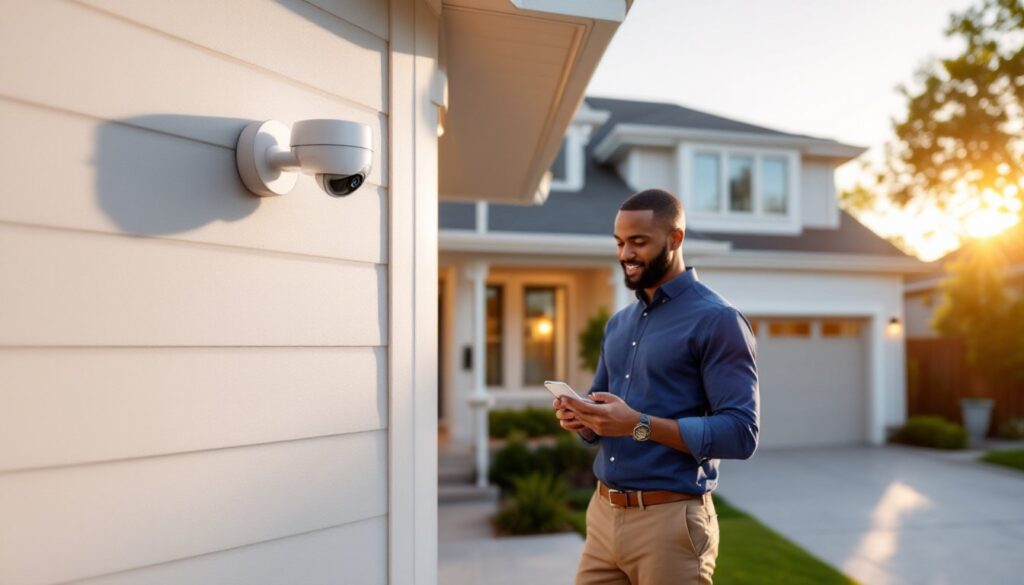
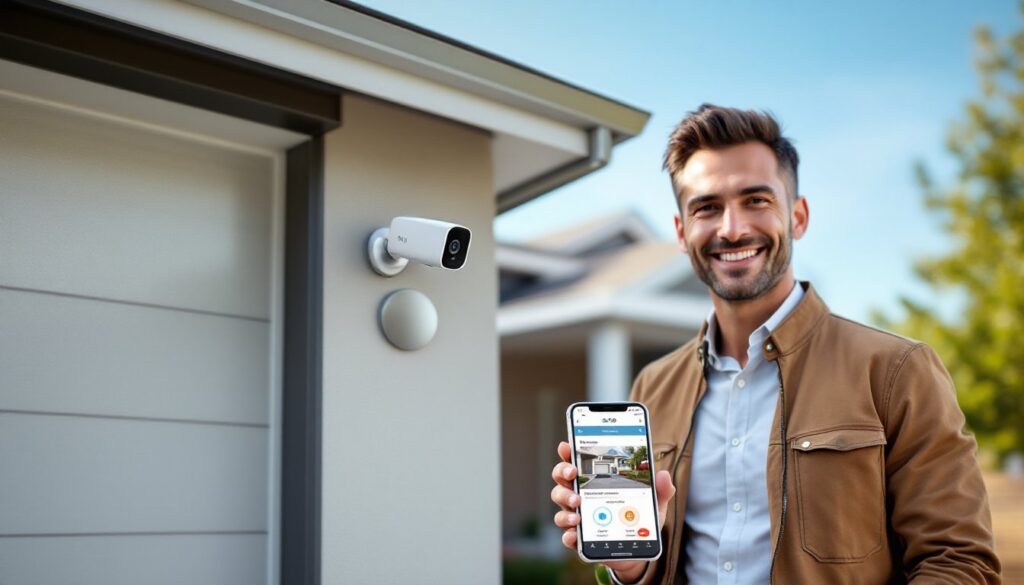
Installing a security camera used to mean drilling holes, fishing wires through walls, and sometimes calling an electrician. Not anymore. Wireless battery powered security cameras have changed the game for homeowners who want reliable surveillance without the headaches of hardwiring. These cameras run entirely on rechargeable batteries and connect to your home network wirelessly, eliminating the need for power outlets or professional installation. Whether you’re monitoring a detached garage, watching the front porch, or keeping an eye on the backyard shed, battery-powered units offer placement flexibility that wired systems can’t match.
Table of Contents
ToggleKey Takeaways
- Wireless battery powered security cameras eliminate complex installation requirements by operating entirely on rechargeable batteries and Wi-Fi connectivity, allowing homeowners to mount cameras in under 15 minutes without drilling into walls or hiring electricians.
- Battery life typically ranges from two to six months per charge depending on usage patterns, but real-world performance often falls shorter; using adjustable motion sensitivity, activity zones, and solar panel add-ons can extend runtime significantly.
- A minimum 1080p resolution with at least 110-degree field of view provides the best balance for facial recognition and identifying details without excessive battery drain, while night vision capabilities vary between infrared and color options based on ambient light availability.
- Optimal placement requires mapping Wi-Fi signal strength before installation, mounting cameras 8 to 10 feet high under eaves for weatherproofing, and conducting test recordings to identify blind spots or glare issues that wired systems can’t easily address.
- Common challenges like battery drain in cold weather, false motion alerts, and Wi-Fi dropouts can be resolved through sheltered installation locations, person detection features, and dedicated 2.4 GHz router bands that ensure reliable connectivity.
- Local microSD card storage and solar panel compatibility offer cost-effective alternatives to subscription-based cloud services, making wireless battery powered security cameras an affordable DIY solution for comprehensive home surveillance across multiple zones.
What Makes Wireless Battery Powered Security Cameras Different?
A wireless battery security camera operates independently of both electrical outlets and physical network cables. Instead of drawing constant power from your home’s electrical system, these cameras rely on rechargeable lithium-ion battery packs, typically lasting anywhere from two to six months on a single charge, depending on usage patterns and settings.
The “wireless” designation covers two separate functions. First, the camera transmits video footage over Wi-Fi rather than through a physical Ethernet cable. Second, it draws power from an internal battery rather than a wall outlet or low-voltage transformer. This dual independence makes placement options nearly limitless.
Compare this to traditional wired cameras, which require access to both power and network connections. Those systems demand more invasive installation: running electrical wire (often requiring permits and an electrician), drilling through exterior walls, and mounting near existing outlets or junction boxes. Battery-powered models mount with just two screws and sync to your network through a smartphone app.
That said, “wireless” doesn’t mean completely standalone. These cameras still need a solid Wi-Fi signal to function properly. If your router’s signal doesn’t reach the installation location, the camera won’t connect, making Wi-Fi range a critical consideration during planning.
Key Benefits of Going Wire-Free for Home Security
The biggest advantage is installation simplicity. Most battery-powered cameras mount in under 15 minutes with nothing more than a drill, a screwdriver, and a smartphone. There’s no need to locate studs for running cable, no fishing wires through insulation, and no permits required for low-voltage electrical work. This makes them ideal for renters, condo owners, or anyone who doesn’t want to tear into walls.
Placement flexibility comes in a close second. Want to monitor the gate at the end of your driveway, 150 feet from the house? No problem, as long as Wi-Fi reaches. Need a camera inside the tool shed where there’s no power? Mount it on the interior wall. Battery operation removes the constraint of outlet proximity, letting homeowners cover blind spots that wired systems simply can’t reach without expensive electrical work.
These systems also shine during power outages. While wired cameras go dark the moment the electricity cuts out, unless they’re on a backup battery system, wireless units keep recording as long as the Wi-Fi router stays powered (which is easier to back up with a small UPS). This can be critical during storms or other events that knock out grid power.
Finally, there’s the cost factor. Because installation is DIY-friendly, homeowners save on electrician fees and avoid the markup that professional installers charge for running cable. Many quality home security cameras no subscription models store footage locally on microSD cards or offer limited cloud storage at no monthly cost, eliminating recurring fees. Initial hardware costs typically range from $80 to $200 per camera, depending on features and brand reputation.
Essential Features to Look for When Choosing Your Camera
Not all battery-powered cameras are created equal. Specifications matter, especially if you’re covering multiple zones or relying on the system as your primary security layer. Here’s what separates the workhorses from the duds.
Video Quality and Night Vision Capabilities
Resolution should be at least 1080p (Full HD) for usable footage. Anything lower makes it difficult to identify faces or read license plates. Many 2026 models now offer 2K or even 4K resolution, which provides sharper detail but drains batteries faster and requires more bandwidth. For most residential applications, 1080p hits the sweet spot between clarity and efficiency.
Night vision comes in two main types: infrared (IR) and color night vision. IR cameras use invisible infrared LEDs to illuminate the scene in total darkness, producing black-and-white footage with a typical range of 20 to 30 feet. Color night vision relies on ambient light (streetlights, porch lights) or built-in spotlights to capture full-color images at night. Color footage provides more detail, clothing color, vehicle paint, but requires some level of existing light to work effectively.
Field of view matters too. Look for cameras with at least a 110-degree viewing angle to minimize blind spots. Some models offer 130 to 160 degrees, which is excellent for monitoring wide driveways or yards, though ultra-wide lenses can introduce fisheye distortion at the edges.
Battery Life and Power Management
Manufacturers often advertise battery life under ideal conditions, minimal motion events, moderate temperatures, and optimized settings. Real-world performance usually lands shorter. A camera rated for six months might need recharging every three to four months if it’s monitoring a busy street with constant motion alerts.
Battery capacity is measured in milliamp-hours (mAh). Higher numbers mean longer runtime. Most quality units use batteries in the 5,000 to 10,000 mAh range. Some cameras accept standard rechargeable batteries (like 18650 lithium cells), while others use proprietary packs. Proprietary batteries are more convenient but lock you into that manufacturer’s ecosystem.
Look for cameras with adjustable motion sensitivity and activity zones. These features let you fine-tune what triggers recording, reducing unnecessary activations that drain the battery. A camera pointed at a sidewalk doesn’t need to record every passing car in the street, setting an activity zone to cover just the walkway extends battery life significantly.
Solar panel compatibility is a game-changer for hard-to-reach installations. A small solar panel (typically 3 to 5 watts) can trickle-charge the battery during daylight, potentially extending runtime indefinitely in sunny climates. This eliminates the ladder-climbing routine for cameras mounted under eaves or on second-story corners.
Installation Tips for Optimal Coverage and Performance
Start by mapping your Wi-Fi coverage before drilling a single hole. Walk the property with your smartphone connected to the home network and check signal strength at each proposed camera location. Most cameras need at least two bars of Wi-Fi to maintain a stable connection. If signal is weak, consider adding a Wi-Fi extender or mesh node to bridge the gap.
Mounting height should be between 8 and 10 feet for most outdoor applications. This puts the camera above easy reach while keeping it low enough for useful facial recognition. Too high, and you’ll capture the tops of heads: too low, and it’s vulnerable to tampering. Use a level when marking screw holes, a crooked camera looks amateurish and can throw off motion detection zones.
For outdoor installations, mount cameras under eaves or soffits whenever possible to protect them from direct rain and sun exposure. While most battery cameras carry an IP65 or IP66 weatherproof rating, meaning they can handle rain and dust, prolonged sun exposure degrades battery performance and can cause overheating. Shade extends both battery life and camera longevity.
When selecting mounting locations, avoid pointing cameras directly at bright light sources like streetlights, porch lights, or low-angle sunrise/sunset. Backlighting washes out detail and triggers false motion alerts as lighting conditions change. According to outdoor security camera reviews, positioning cameras perpendicular to entry points rather than head-on often provides the best identification angles.
Secure the mounting bracket into solid material. For wood siding, use the included screws and make sure at least one screw hits a stud or framing member. For brick or stucco, use masonry anchors rated for outdoor use, plastic anchors degrade in UV exposure. Vinyl or aluminum siding requires backing blocks or mounting to the underlying sheathing: never rely on siding alone to support a camera.
Run a test recording before finalizing placement. Walk through the camera’s field of view and check the footage for blind spots, glare, or obstructions. It’s easier to adjust now than after the battery dies three months in and you realize half the driveway isn’t covered.
Common Challenges and How to Overcome Them
Battery drain in cold weather is the most common complaint. Lithium-ion batteries lose capacity below freezing, sometimes dropping to 50% of their rated runtime in temperatures below 20°F. There’s no perfect fix, but you can mitigate the issue by installing cameras in partially sheltered locations (under eaves, on south-facing walls that catch winter sun) and lowering motion sensitivity during winter months. Solar panels help by providing a trickle charge even on cold but sunny days.
False motion alerts plague many wireless cameras, especially budget models with rudimentary detection algorithms. Wind-blown branches, moving shadows, and even heavy rain can trigger recordings. Combat this by enabling person detection or AI-powered smart alerts if your camera supports them. These features use machine learning to distinguish between people, animals, and irrelevant motion, dramatically reducing junk notifications. Setting custom activity zones also helps, exclude the swaying tree branch from the monitored area.
Wi-Fi connectivity dropouts frustrate users when cameras randomly go offline. This usually stems from three causes: router placement, network congestion, or interference. If your camera is at the edge of Wi-Fi range, a $30 range extender solves the problem. For homes with many connected devices, consider dedicating the router’s 2.4 GHz band to cameras (which don’t need the speed of 5 GHz but benefit from better wall penetration). Avoid placing cameras near metal objects, microwaves, or cordless phone base stations, which interfere with wireless signals.
Video lag and buffering during live viewing often indicates insufficient upload bandwidth. While tech reviewers note that most cameras use adaptive streaming to adjust quality based on connection speed, a slow internet plan struggles when multiple cameras stream simultaneously. Check your upload speed (not download, most home internet is asymmetric). If you’re running four cameras and have only 5 Mbps upload, you’ll see lag. Upgrading to a plan with 10+ Mbps upload usually resolves it.
Storage limitations become apparent when relying on free cloud plans that cap retention at 7 days or limit the number of cameras. If subscription fees aren’t appealing, choose cameras with local storage via microSD cards (look for support up to 128 GB or 256 GB). Format cards as exFAT for compatibility and longevity. Keep in mind that local storage means lost footage if someone steals the camera, a risk that cloud backup eliminates.
Finally, theft or vandalism is a legitimate concern with any visible security equipment. Mount cameras high and angle them downward to make removal difficult. Some models include tamper alerts that send notifications if the camera is moved or disconnected. For especially vulnerable locations, consider pairing a visible battery camera with a second, more discreet wired camera as backup, an approach that smart home guides often recommend for comprehensive coverage.
Safety note: When working on a ladder for high installations, always have a second person spot you, especially when you’re holding a drill or reaching to secure mounting brackets. Falls are the leading cause of DIY injury, and a $150 camera isn’t worth a trip to the ER.