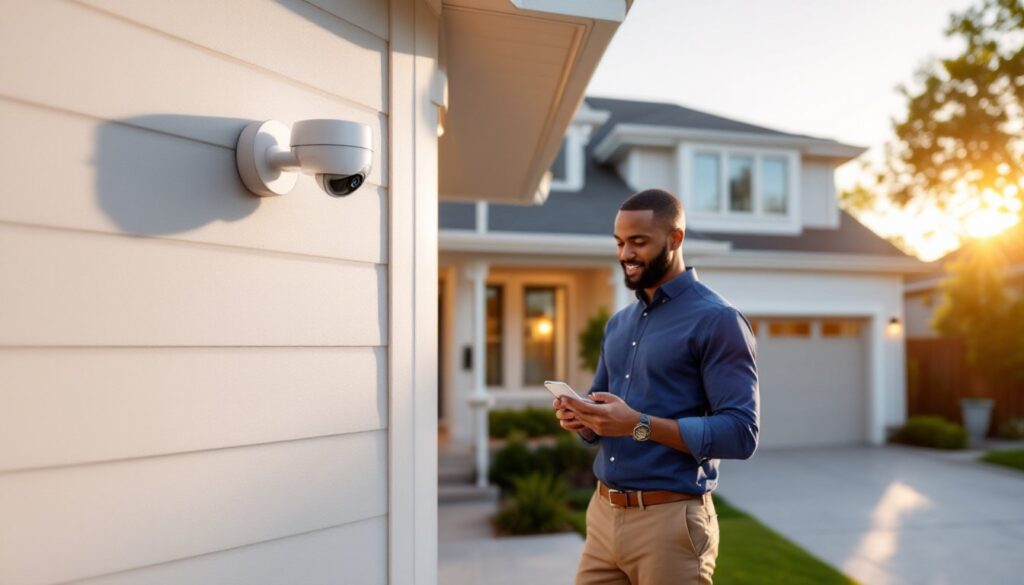
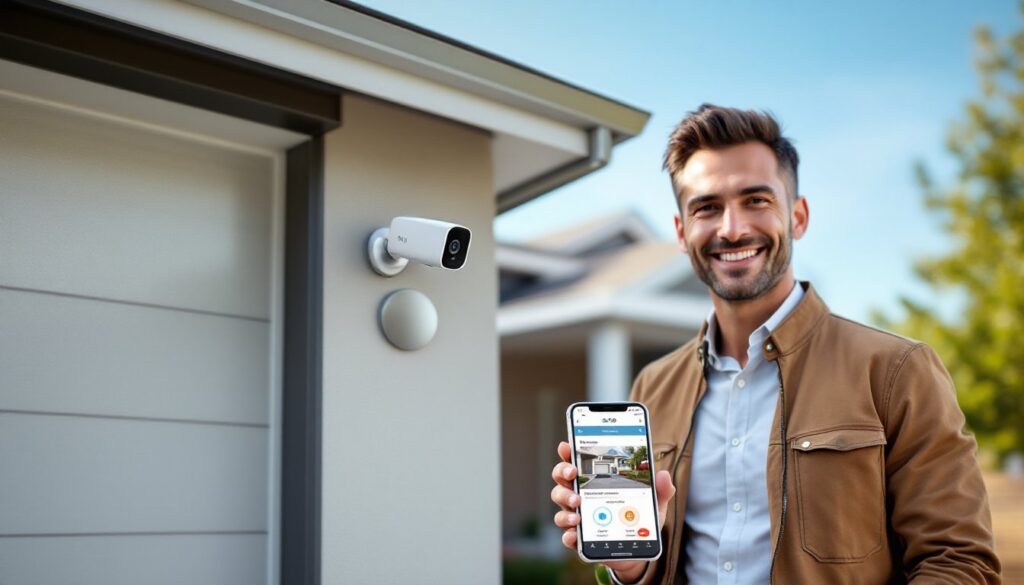
Home security doesn’t have to drain your wallet. With camera technology more accessible than ever, you can monitor your property for under $50, sometimes even less. The market’s flooded with affordable options that actually work, from wireless indoor cams to weatherproof outdoor units. But “budget” doesn’t mean settling for grainy footage or cameras that quit after three months. The trick is knowing which features matter, which corners manufacturers cut to hit a price point, and how to install these systems yourself without calling in a pro. This guide walks through everything needed to pick and set up reliable security cameras that won’t require a second mortgage.
Table of Contents
ToggleKey Takeaways
- A best budget security camera ranges from $25–$80 and delivers essential features like 1080p resolution, motion detection, and smartphone alerts without premium price tags.
- Prioritize 1080p resolution, night vision (20-30 feet minimum), motion detection with customizable zones, and local microSD storage to avoid hidden subscription costs.
- Top affordable options like the Wyze Cam v4 ($36) and Blink Outdoor 4 ($60) prove budget security cameras don’t require professional installation or ongoing monthly fees.
- Most homes achieve adequate coverage with 3-4 strategically placed cameras at entry points (front/back doors, garage) mounted 7-9 feet high to prevent tampering while maintaining facial detail.
- DIY installation saves hundreds of dollars and takes about one hour per camera with basic tools like a cordless drill, level, and masonry bit for outdoor mounting.
- Calculate total cost over 2-3 years including subscriptions, test Wi-Fi signal strength before mounting, and choose cameras with local storage options to avoid long-term subscription traps.
What Makes a Security Camera ‘Budget-Friendly’?
A budget security camera typically rings in between $25 and $80. These cameras skip premium features like facial recognition or 4K resolution but deliver the essentials: motion detection, decent video quality, and smartphone alerts.
The price drop comes from trade-offs. Most budget models use plastic housings instead of metal, offer 1080p resolution rather than higher, and may have shorter warranty periods. Cloud storage often requires a subscription, though many now include SD card slots for local recording.
Manufacturers also save costs through simplified installation. Wireless models eliminate professional wiring, and magnetic mounts replace drilling in many cases. Some of the cheapest security cameras on the market use 2.4GHz Wi-Fi only, not the faster 5GHz band, which can mean slower live-view loading but works fine for most home networks.
Watch for hidden costs. A $30 camera that requires a $10 monthly subscription adds up to $150 annually. Compare that total cost against a slightly pricier camera with free local storage.
Top Features to Look for in Affordable Security Cameras
Not all budget cameras are created equal. Prioritize these features to get the most security for your money:
Resolution and Night Vision
1080p resolution is the minimum acceptable standard. Anything lower produces grainy footage that won’t help identify faces or license plates. Night vision range matters too, look for at least 20-30 feet of infrared coverage.
Motion Detection and Alerts
Motion-activated recording saves storage space and battery life. Better models let you set detection zones to ignore trees swaying or cars passing by. Push notifications should arrive within 10-15 seconds of detected movement.
Two-Way Audio
A built-in speaker and microphone let you communicate through the camera. Useful for telling delivery drivers where to leave packages or warning off porch pirates. Audio quality varies wildly in budget models, expect some static.
Weather Resistance
Outdoor cameras need an IP65 rating or higher. This protects against rain, snow, and dust. Cheaper cameras sometimes claim weather resistance but fail after one winter, check user reviews for long-term durability reports.
Storage Options
Local storage via microSD card (up to 128GB typical) eliminates monthly fees. Many home security cameras no subscription models now support continuous recording or event-based clips without cloud costs.
Power Source
Wired cameras need an outlet nearby. Battery-powered models offer flexible placement but require recharging every 2-6 months depending on activity. Solar panel add-ons can extend battery life indefinitely in sunny locations.
Our Top Picks for Best Budget Security Cameras
These cameras consistently deliver reliable performance without premium pricing:
Wyze Cam v4 – Best Overall Value
At around $36, the Wyze Cam v4 punches above its weight class. It offers color night vision, IP65 weather resistance, and 1080p video. The magnetic base mounts anywhere, and a microSD slot provides free local storage. According to recent comparisons of top security cameras, the v4 stands out for budget-conscious buyers. Downside: the app can be cluttered, and advanced features like person detection require a subscription.
Blink Outdoor 4 – Best Battery Life
Amazon’s Blink Outdoor 4 runs on two AA batteries for up to two years. At $60 (often on sale for $40), it’s ideal for spots without power access. Video quality is sharp, and setup takes under five minutes. The included sync module stores clips locally, avoiding subscription fees. Trade-off: no continuous recording, only motion-triggered clips.
TP-Link Tapo C200 – Best Indoor Pan/Tilt
For $30, the Tapo C200 rotates 360 degrees horizontally and 114 degrees vertically, covering an entire room. Motion tracking follows movement automatically. It includes a microSD slot and works with Alexa/Google Assistant. The plastic build feels cheap, but it’s reliable for indoor monitoring.
Reolink E1 Zoom – Best Indoor Zoom Feature
Priced around $50, this camera adds 3x optical zoom to a pan-tilt design. Useful for reading text or identifying details across a large room. Supports local recording and has surprisingly clear two-way audio. Not weatherproof, so indoor use only.
Indoor vs. Outdoor Budget Security Cameras: Which Do You Need?
The decision comes down to placement and exposure to elements.
Indoor Cameras
Indoor models prioritize features over durability. They often include pan-tilt-zoom functions, better audio quality, and baby monitor features like temperature sensors. Plastic housings are fine since they’re protected from weather. Mounting is usually simpler, a flat surface or shelf works.
Best for: monitoring rooms, watching pets, checking on kids, or covering entryways from inside.
Outdoor Cameras
Outdoor units need weatherproofing and sturdier construction. Look for metal or reinforced plastic housings, sealed cable ports, and extended temperature ranges (-4°F to 122°F minimum). They typically have brighter IR LEDs for longer night vision range.
Many outdoor budget cameras require mounting to soffit, siding, or fascia, you’ll be drilling pilot holes. Use weather-resistant anchors appropriate to your surface material (plastic anchors for vinyl siding, masonry anchors for brick).
Best for: covering driveways, front doors, backyards, garages, or side gates.
Hybrid Option
Some cameras work both indoors and out. The Wyze Cam v4 and Blink Outdoor 4 handle either environment. This flexibility helps if you’re unsure about placement or want to move cameras seasonally. Technology reviewers at Digital Trends regularly test these versatile models for real-world performance.
How Many Do You Need?
Start with entry points: front door, back door, and garage. Add cameras to cover blind spots or high-value areas (shed, side gate, basement windows). Most homes get adequate coverage with 3-4 cameras.
DIY Installation Tips for Budget Security Cameras
Most budget cameras install without professional help. Here’s how to do it right.
Tools and Materials
- Cordless drill/driver with bits (for outdoor mounts)
- Masonry bit (if mounting to brick, concrete, or stucco)
- Level (even small tilts skew camera views)
- Pencil for marking
- Ladder (for heights above 7 feet)
- Weather-resistant sealant (for outdoor cable entry points)
- Mounting hardware (usually included with camera)
Step-by-Step Installation
-
Plan camera placement. Position cameras 8-10 feet high to avoid tampering while keeping subjects identifiable. Avoid pointing cameras at direct sun or bright lights, this washes out footage. Check Wi-Fi signal strength at each location using your phone before mounting.
-
Mark mounting holes. Hold the mount in position and use a level to ensure it’s straight. Mark screw holes with a pencil. For outdoor mounts on wood (soffit, fascia), mark locations that hit solid backing, not just vinyl or aluminum trim.
-
Drill pilot holes. Use a bit slightly smaller than your screw diameter. For masonry, switch to a masonry bit and drill 1/4 inch deeper than the anchor length. Wear safety goggles, brick dust and wood chips fly.
-
Install anchors if needed. Press plastic anchors into drilled holes for drywall or masonry. They should sit flush with the surface. For wood, you can often skip anchors and drive screws directly into studs or solid backing.
-
Attach mount and camera. Secure the mounting bracket first, then snap or screw the camera into place. Don’t overtighten, plastic housings crack easily. Adjust the angle before finalizing.
-
Route cables (wired cameras). Run power cables along trim or through walls. Drill a 1/2-inch hole angled slightly downward if passing through siding to prevent water entry. Apply silicone sealant around the cable where it enters.
-
Connect to Wi-Fi. Follow the manufacturer’s app instructions. Most require scanning a QR code and entering your network password. Use your 2.4GHz network if the camera doesn’t support 5GHz.
-
Test functionality. Check live view, motion detection, night vision, and two-way audio. Walk through the camera’s field of view to verify motion alerts work.
Wireless Mounting Tip
Battery-powered cameras often come with magnetic or adhesive mounts. These work well on metal surfaces or smooth siding. For textured surfaces like stucco or brick, drilling a mount is more secure. Magnetic mounts also let you easily reposition the camera when testing angles.
Common Mistakes to Avoid When Buying Cheap Security Cameras
Budget cameras work great when chosen wisely. Avoid these pitfalls:
Ignoring Subscription Costs
Some cameras advertise low prices but lock basic features behind monthly fees. Calculate the total cost over 2-3 years before buying. A $60 camera with free storage often beats a $30 model with required subscriptions.
Skipping Wi-Fi Range Tests
Weak Wi-Fi causes choppy video and missed alerts. Test signal strength at camera locations before mounting. A Wi-Fi extender ($25-40) solves range issues cheaper than relocating your router. Mesh networks provide the most reliable coverage for multi-camera systems.
Overlooking Storage Capacity
A 32GB microSD card fills fast with continuous recording. Budget at least 64GB for event-based recording, 128GB for 24/7 recording. Cards cost $15-30, cheap insurance against missing critical footage.
Not Checking App Quality
A camera’s only as good as its app. Before committing, download the manufacturer’s app and read recent reviews. Buggy apps plague some budget brands. According to comprehensive reviews from CNET, app performance separates good budget cameras from frustrating ones.
Poor Placement
Mounting a camera too high reduces facial detail. Too low invites tampering. Aim for 7-9 feet at a 15-30 degree downward angle. Avoid placing cameras where they’ll catch headlight glare or direct sun.
Forgetting About Power Access
Battery cameras seem convenient until you’re climbing a ladder every three months to recharge. If a location has nearby power, use it. Outdoor outlets need GFCI protection per NEC standards, don’t jury-rig extension cords permanently.
Buying Too Many Features You Won’t Use
Color night vision and AI detection sound great but add cost. Most security needs are met with basic motion alerts and clear 1080p footage. Save money by skipping features you don’t actually need.
Conclusion
Budget security cameras deliver genuine peace of mind without premium pricing. The key is balancing essential features, 1080p resolution, reliable motion detection, and weatherproofing where needed, against unnecessary extras that inflate cost. DIY installation saves hundreds compared to professional setups, and with basic tools and an hour per camera, most homeowners can handle the job. Focus on cameras that offer local storage to avoid subscription traps, test your Wi-Fi coverage before mounting, and place cameras at entry points first. Done right, a solid home security system costs under $200 and works just as well as systems ten times the price.