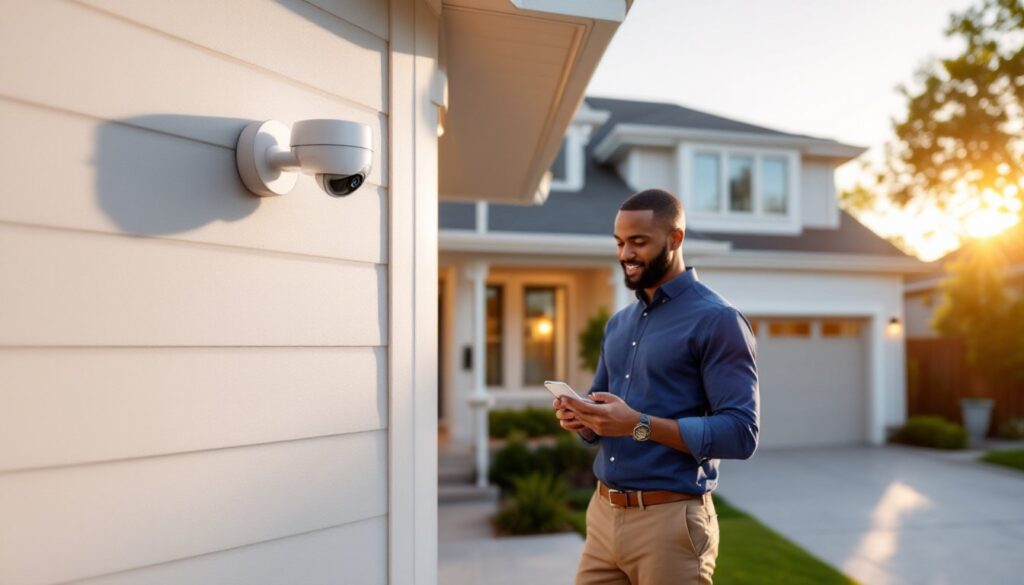
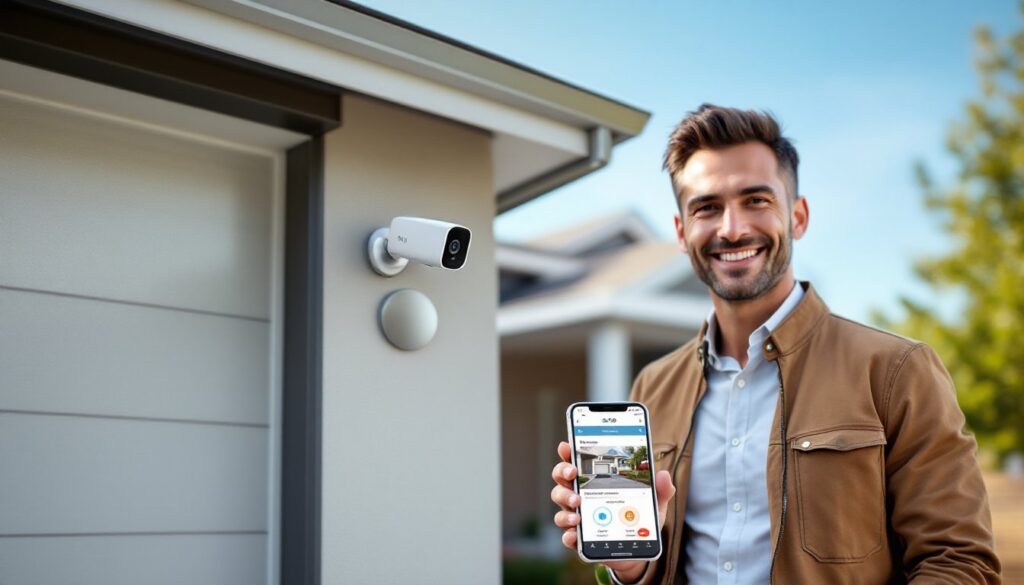
Installing a security camera system isn’t rocket science, it’s mostly careful planning and following some basic electrical common sense. A DIY setup gives homeowners full control over camera placement, recording storage, and ongoing costs without locking them into monthly monitoring contracts. Today’s IP cameras and network video recorders (NVRs) have gotten easier to configure, and most connect via standard Ethernet cables or WiFi. Whether someone’s protecting a front porch, monitoring a detached garage, or keeping tabs on a side gate that never latches properly, a self-installed system can be up and running in a weekend.
Table of Contents
ToggleKey Takeaways
- A DIY security camera system eliminates $500–$1,500 in professional installation costs plus ongoing monthly monitoring fees of $30–$60, giving homeowners full control over camera placement and features.
- Wired PoE cameras are more reliable for continuous 24/7 recording than wireless models since they don’t depend on battery life or WiFi signal strength.
- Mount cameras 8–10 feet high at entry points (front door, back door, side gates) and use overlapping coverage to eliminate blind spots while capturing facial details.
- Network security is critical: immediately change default usernames and passwords, enable two-factor authentication, and keep firmware updated to prevent unauthorized access.
- Proper planning prevents costly mistakes—calculate storage needs upfront, use cable clips for management, check local permits, and install a UPS to ensure recording continues during power outages.
- Regular maintenance such as cleaning lenses every few months and reviewing footage quarterly keeps your DIY system functioning reliably for years without professional service contracts.
Why Choose a DIY Security Camera System Over Professional Installation
The biggest advantage is cost. Professional installation often runs $500 to $1,500 depending on camera count and wiring complexity, and that’s before factoring in monthly monitoring fees that can hit $30–$60. A DIY system eliminates labor costs and lets the homeowner choose exactly which features matter, motion zones, two-way audio, local storage, or cloud backup.
Control is another factor. With a self-installed setup, there’s no waiting for a technician to adjust a camera angle or add a new device. Firmware updates, notification settings, and recording schedules are all in the homeowner’s hands. Systems using PoE (Power over Ethernet) cameras simplify wiring since a single cable delivers both power and data, and adding cameras later is straightforward.
That said, DIY isn’t for every situation. Homes with complex layouts, multi-story runs, or brick exteriors may require drilling through challenging materials or running conduit. If the project involves punching through fire-rated walls or integrating with a full home automation system, a licensed low-voltage technician might be the safer route. But for most single-family homes with wood or vinyl siding and accessible attics or crawl spaces, a motivated homeowner with basic tools can handle the job.
Essential Components for Your DIY Security Camera Setup
A complete system needs cameras, a recording device (or cloud service), cables, power, and network connectivity. Skipping any one piece leaves gaps in coverage or functionality.
Cameras come in two main flavors: wired IP cameras and wireless models. Wired PoE cameras are more reliable for 24/7 recording since they don’t depend on battery life or WiFi signal strength. Wireless cameras work well for temporary placements or rental properties where drilling isn’t an option. Look for cameras with at least 1080p resolution, 4K models provide more detail but demand more storage and bandwidth.
Weatherproof ratings matter for outdoor cameras. An IP65 or IP66 rating handles rain and dust, while IP67 tolerates brief submersion. Night vision range varies widely: infrared LEDs typically cover 30 to 100 feet depending on the model. For color night vision, some cameras include built-in spotlights, though these can trigger nuisance alerts from passing animals.
Cameras and Recording Devices
Network video recorders (NVRs) are the backbone of a wired system. An NVR connects to cameras via Ethernet, records footage to an internal hard drive, and streams video to phones or computers. Most NVRs support 4, 8, or 16 channels, buy one with extra capacity if future expansion is likely. A 4TB hard drive stores roughly two weeks of continuous 1080p footage from four cameras, though motion-triggered recording stretches that considerably.
Cloud storage is an alternative for those who don’t want local hardware. Services charge monthly fees based on camera count and retention period. It’s convenient but creates ongoing costs and depends on stable internet. Some homeowners split the difference: local NVR for primary storage, cloud backup for critical cameras.
Repurposing older hardware is also possible, an old smartphone as a security camera works for monitoring a single room or doorway, though it won’t match the reliability or features of dedicated hardware.
Step-by-Step Guide to Installing Your DIY Security System
Start with a site map. Walk the property and note entry points, blind spots, and areas that need monitoring. Sketch camera positions on paper, marking approximate cable runs from each camera back to the NVR location. For PoE systems, each camera needs a single Cat5e or Cat6 Ethernet cable run: for wireless setups, confirm WiFi signal strength at each camera location before mounting.
Tools and materials needed:
- Drill with masonry and wood bits
- Fish tape or pull rods for running cable through walls
- Wire strippers and crimping tool (if terminating your own Ethernet cables)
- Silicone sealant for outdoor cable entries
- Ladder rated for the highest mounting height
- Safety glasses and work gloves
Installation steps:
-
Mount the NVR in a climate-controlled space, basement, utility closet, or home office. It needs power and a hardwired Ethernet connection to the router. Avoid attics or garages where temperature swings can shorten hard drive life.
-
Run cables before mounting cameras. For exterior cameras, drill through the wall near each camera location, angle the hole slightly downward to prevent water intrusion, and seal with silicone after cable insertion. Inside walls, fish tape helps route cables through studs and top plates. Staple cables to framing every 16–24 inches but don’t overtighten, crushed Cat6 loses performance.
-
Mount cameras using the included brackets. Soffit mounts work well for overhangs: junction box mounts suit flat walls. Aim cameras slightly downward to capture faces rather than the tops of heads. Test the view through the NVR interface before permanently securing each camera.
-
Connect and configure each camera to the NVR. Most plug-and-play systems auto-detect cameras once connected. Set motion detection zones to avoid alerts from tree branches or passing cars. Adjust recording schedules if continuous recording isn’t necessary. Configure remote viewing through the manufacturer’s mobile app, which typically requires creating an account and scanning a QR code on the NVR.
-
Label everything. Tag each cable at both ends with the camera location. Future troubleshooting goes much faster when cables aren’t a mystery.
For systems requiring new electrical outlets, such as wireless cameras without solar panels, hire a licensed electrician if the work involves opening junction boxes or adding circuits. Most jurisdictions require permits for new electrical runs, and DIY electrical work can void homeowner’s insurance if done improperly.
Best Placement Strategies for Maximum Coverage
Start with entry points: front door, back door, side gates, and garage doors. These are where intruders attempt access first. Mount cameras 8–10 feet high to prevent tampering but low enough to capture facial details. A camera placed at second-story eave height often covers the approach and the entry itself.
Overlap coverage at corners. If two cameras can see the same area from different angles, blind spots shrink and the system gains redundancy. Avoid pointing cameras directly at bright lights or the sun’s path, backlighting washes out faces and plates.
For driveways, angle cameras to catch license plates. Standard wide-angle cameras rarely capture readable plate numbers from more than 20 feet, so a dedicated varifocal or telephoto camera aimed at the street improves identification. Test the view at night: headlights can overexpose plates even with good daylight framing.
Side yards and alleys are common blind spots. If the home has a fence line or narrow passage, a camera covering that zone prevents someone from lurking undetected. Motion-activated floodlights paired with cameras add deterrence.
Interior cameras are useful for monitoring entryways while away or checking on pets. Place them to avoid capturing private spaces like bedrooms and bathrooms, both for privacy and to comply with potential local laws about indoor recording. Many smart home devices integrate with camera systems to trigger lights or locks based on motion alerts.
Common Mistakes to Avoid When Setting Up Your System
Skipping network security is the biggest vulnerability. Change default usernames and passwords immediately, many NVRs ship with “admin/admin” credentials that are publicly known. Enable two-factor authentication if the system supports it, and keep firmware updated to patch security holes.
Underestimating storage needs leads to overwritten footage. Calculate storage based on resolution, frame rate, and retention goals. Continuous recording at 4K eats through terabytes quickly: motion-triggered recording at 1080p with a 15fps frame rate is far more efficient for most homes.
Ignoring lighting conditions causes washed-out or dark footage. Test cameras at different times of day, especially dawn and dusk when lighting changes fast. WDR (Wide Dynamic Range) cameras handle high-contrast scenes better than basic models.
Poor cable management creates headaches later. Loose cables sag, get chewed by pests, or pull free in wind. Use cable clips along runs and leave a small service loop at each camera to allow for adjustments without re-running cable.
Forgetting about permits. Some municipalities require permits for exterior cameras, especially if they view public sidewalks or neighboring properties. Check local codes before installation, fines for unpermitted work can exceed the cost of the system. For homeowners exploring no-subscription security options, compliance with local regulations remains just as important as system functionality.
Overlooking power backup leaves the system dead during outages. A UPS (uninterruptible power supply) keeps the NVR and router running for 30 minutes to several hours depending on capacity. This ensures recording continues if someone cuts exterior power.
Maintaining and Upgrading Your DIY Security Camera System
Cameras collect dust, cobwebs, and pollen. Wipe lenses every few months with a microfiber cloth, avoid paper towels, which scratch coatings. Check cable connections annually, especially outdoor runs exposed to weather. Squirrels and woodpeckers occasionally damage exterior cables: conduit prevents this.
Firmware updates patch security flaws and add features. Most NVRs and cameras notify when updates are available: schedule these during daylight hours in case something goes wrong and a camera needs repositioning or resetting.
Review footage periodically to confirm cameras haven’t shifted or been obscured by vegetation. A camera pointed at a bush isn’t useful. Trim branches that grow into the field of view, and re-aim cameras if landscaping changes sightlines.
Upgrade storage before running out of space. Swapping a 2TB drive for a 6TB model is straightforward on most NVRs, power down, replace the drive, and let the system reformat. Some models support RAID configurations for redundancy, though that’s overkill for most residential setups.
Adding cameras later is easier if the initial installation planned for expansion. Run an extra cable or two during the first install, even if cameras aren’t installed immediately, fishing new cable through finished walls is tedious. For more hands-on guidance, resources like Popular Mechanics offer detailed project tutorials that complement manufacturer instructions.
A DIY security system isn’t set-and-forget, but with occasional maintenance and smart planning, it provides years of reliable monitoring without the recurring costs of professional services.