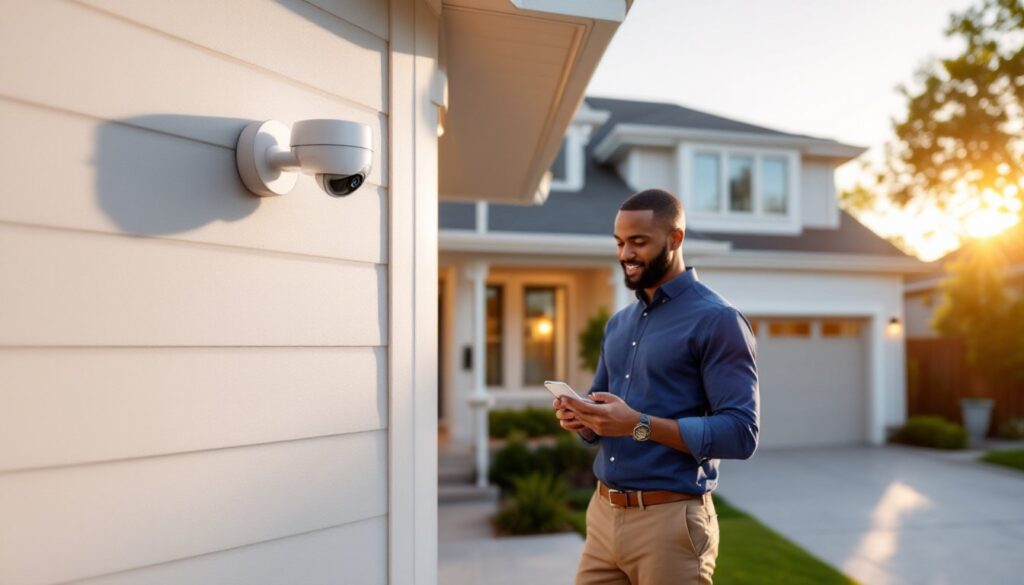
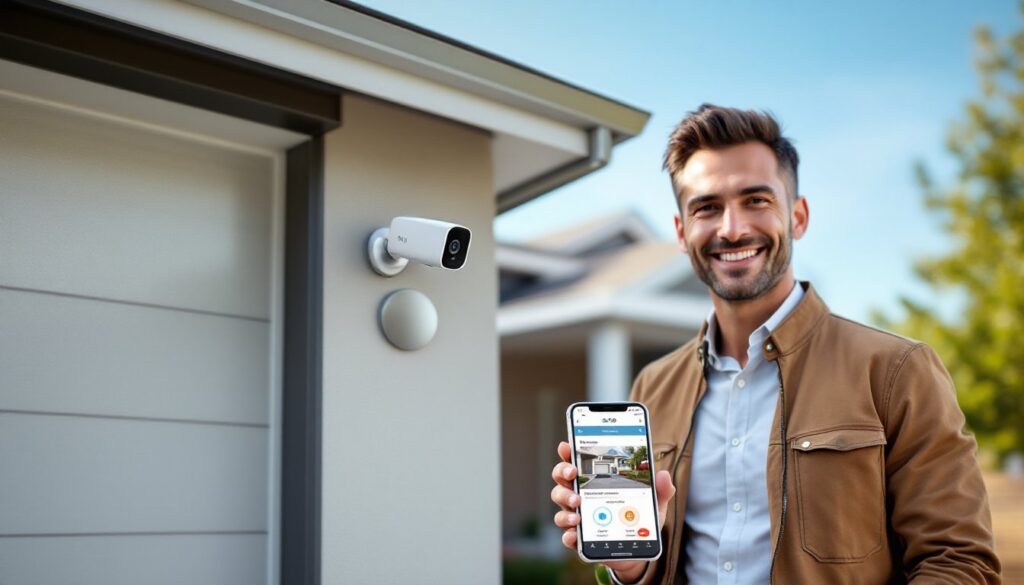
Black Friday isn’t just for TVs and laptops anymore, it’s one of the smartest times of year to upgrade home security without blowing the budget. Security cameras that typically run $150 to $300 can drop by 30% to 50% during the holiday rush, making it feasible to outfit multiple entry points or upgrade from basic motion detection to advanced AI features. Whether someone’s installing their first doorbell cam or expanding a whole-home surveillance system, the deals between Thanksgiving and Cyber Monday can shave hundreds off a complete setup. This guide breaks down what’s worth watching, what specs matter, and how to avoid buyer’s remorse when the sales start rolling.
Table of Contents
ToggleKey Takeaways
- Black Friday security camera deals offer 25% to 60% discounts on major brands like Ring, Arlo, Eufy, and Wyze, plus bundled extras like free cloud storage and bonus mounts.
- Wireless battery-powered cameras provide easy DIY installation and seasonal flexibility, while PoE systems deliver 24/7 recording and higher resolution for serious home security needs.
- Prioritize cameras with 1080p minimum resolution, IR night vision with 25–30 feet range, IP65+ weather resistance, and AI-based motion detection to avoid buyer’s remorse.
- Map your coverage zones, test Wi-Fi signal strength, verify existing wiring, and compare prices across retailers before Black Friday to lock in the best security camera deals.
- Choose modular systems from brands like Arlo, Reolink, or Eufy that allow expandability, and review return policies carefully since Black Friday purchases often have shorter return windows.
Why Black Friday Is the Best Time to Buy Security Cameras
Retailers stockpile inventory ahead of the holiday season, and security cameras, especially from big brands like Ring, Arlo, Eufy, and Wyze, see aggressive price cuts to move units. Discounts typically range from 25% to 60% off MSRP, with doorbells, floodlight cams, and starter kits seeing the steepest drops.
Beyond the price tags, Black Friday bundles often include extras that aren’t available at other times: free cloud storage trials, bonus mounts, additional batteries, or bundled smart home hubs. A Ring Video Doorbell that normally costs $99 might hit $49 with a free Chime included, that’s real value for anyone starting from scratch.
Timing also matters for technology refresh cycles. Many manufacturers release new models in spring or early fall, so Black Friday clears out the prior generation at deep discounts. Those “last year” cameras still perform well for most homeowners, 1080p resolution, two-way audio, and motion alerts haven’t changed much year over year. For DIYers focused on function over the latest bells and whistles, this is the sweet spot.
Finally, competitors price-match aggressively during the Black Friday window. If Amazon drops a camera to $79, Best Buy and Home Depot often follow within hours. That competition benefits shoppers willing to compare across retailers before hitting checkout.
Top Security Camera Categories to Watch This Black Friday
Not all security cameras are created equal, and Black Friday deals tend to cluster around a few high-volume categories. Knowing which type fits the project helps narrow the field fast.
Wireless and Battery-Powered Cameras
Wireless cameras dominate the consumer market because they install in minutes, no fishing wires through walls or hiring an electrician. Models from Ring, Blink, Eufy, and Arlo run on rechargeable battery packs (typically 5,000–10,000 mAh) that last three to six months per charge, depending on activity and settings.
Pros: Easy DIY installation, magnetic or screw mounts, flexibility to relocate cameras seasonally (garage in winter, backyard shed in summer). Most connect via 2.4 GHz Wi-Fi, so router placement matters, walls and distance degrade signal.
Cons: Battery swaps can be a hassle if cameras are mounted high. Cold weather (below 32°F) reduces battery life significantly, so northern climates may need solar panel add-ons or more frequent charging cycles.
Black Friday often features multi-camera kits at steep discounts. A three-pack that normally runs $250 might drop to $149, making it economical to cover front door, driveway, and back patio in one go. Deals on outdoor cameras from trusted brands can make it easier to secure perimeter zones without running conduit.
Wired and PoE Security Systems
For anyone serious about 24/7 recording or covering larger properties, Power over Ethernet (PoE) systems offer reliability that battery cams can’t match. A PoE setup uses a single Cat5e or Cat6 cable per camera to deliver both power and data back to a network video recorder (NVR).
Pros: Constant power means no charging, continuous recording to local storage (no monthly cloud fees), and higher resolution options (many PoE cams now offer 4K or 2K+). Systems from Reolink, Amcrest, and Lorex frequently bundle four to eight cameras with an NVR and 1–2 TB hard drive.
Cons: Installation requires running cable through attics, crawlspaces, or exterior walls, doable for experienced DIYers but a bigger lift than screwing in a wireless cam. Drilling through brick or siding for cable entry also means sealing penetrations properly to avoid water intrusion.
Black Friday bundles on PoE kits can drop prices by $200 to $400. An eight-camera system with NVR that lists at $599 might hit $399, which is hard to beat if someone’s already planning to pull cable. For homes with unfinished basements or accessible attics, the labor isn’t prohibitive, just budget a weekend and a fish tape.
What to Look for When Shopping Black Friday Security Camera Deals
A low price doesn’t mean much if the camera can’t handle the job. Here’s what separates a solid deal from a doorstop.
Resolution and night vision: 1080p (1920×1080) is the baseline for clear facial identification at 15–20 feet. Higher resolutions like 2K (2304×1296) or 4K (3840×2160) help with license plate capture or zooming into recorded footage. For night vision, look for infrared LEDs with a range of at least 25–30 feet. Color night vision (using a spotlight or ambient light sensor) is a nice upgrade but not essential for most installs.
Field of view: Cameras typically range from 110° to 160° horizontal. Narrow views (110°–120°) work for doorways and focused coverage: wider angles (140°+) suit driveways or backyards. A too-wide lens can distort edges (fisheye effect), so match the spec to the space.
Storage options: Battery cams often push cloud subscriptions ($3–$10/month per camera) for continuous recording or extended clip storage. If avoiding monthly fees is a priority, look for cameras with local storage via microSD card (usually 32–128 GB) or base stations that include onboard storage. Technologies like home security cameras with no subscription models let homeowners control their footage without recurring costs.
Smart integrations: Most modern cameras support Alexa, Google Assistant, or Apple HomeKit. Voice control is convenient (“Alexa, show the front door”), but ecosystem lock-in matters, if the rest of the smart home runs on Google, a camera that only talks to Alexa creates friction.
Weather resistance: Outdoor cams should carry an IP65 or IP66 rating (dust-tight, resistant to water jets). Lower ratings (IP44) might survive light rain but won’t hold up to winter sleet or summer thunderstorms. Check the operating temperature range too, cameras rated for -4°F to 122°F handle most US climates: anything narrower risks shutdowns in extreme weather.
Motion detection and alerts: Basic PIR (passive infrared) sensors trigger on heat changes and can produce false alerts from passing cars or swaying branches. Advanced cameras use AI-based person/vehicle detection to filter out noise. That’s worth paying a bit extra if the camera faces a busy street.
How to Prepare for Black Friday Security Camera Shopping
Deals move fast, and impulse buys lead to returns. A little prep work pays off.
Map coverage zones before shopping. Walk the property and note where cameras need to go: front door, garage side door, driveway, backyard gate. Measure approximate distances from the router or nearest power outlet. For wireless cams, test Wi-Fi signal strength at each spot using a phone, if bars drop below half, a mesh extender or outdoor access point might be necessary.
Check existing wiring and mounts. Replacing an old wired doorbell with a video doorbell? Verify the existing doorbell transformer outputs 16–24V AC, most video doorbells need at least 16V to function. If there’s no existing wiring, battery-powered models eliminate the electrical work. For wall-mounted cameras, confirm the surface: mounting to vinyl siding requires different anchors than brick or wood trim.
Set a budget per camera and for the total system. A realistic baseline for quality wireless cameras is $40–$80 each on Black Friday: PoE systems with NVR start around $250 for four cameras. Factor in microSD cards, extra batteries, or mounting hardware that might not be included.
Compare early-bird deals vs. day-of pricing. Some retailers (Amazon, Best Buy) launch “early Black Friday” sales a week or more ahead. Monitor price history using browser extensions or deal-tracking sites to verify whether a “deal” is genuinely lower than prior months. Smart home enthusiasts often track pricing trends and security camera recommendations to identify the best value.
Read return policies and warranty terms. Black Friday purchases sometimes carry shorter return windows (14 days instead of the usual 30). Confirm whether opened electronics are returnable, some stores charge a restocking fee. Manufacturer warranties typically run one year, but retailers like Costco extend coverage through their membership perks.
Prioritize compatibility and expandability. If starting with two cameras now, choose a system that allows adding more later without replacing the hub or NVR. Brands like Arlo, Reolink, and Eufy offer modular ecosystems where cameras, doorbells, and floodlights share a single app and base station.
Conclusion
Black Friday 2026 offers a rare window to secure a home without paying full freight. Whether someone’s after a simple doorbell cam or a full PoE system with local recording, the discounts and bundles available between Thanksgiving and Cyber Monday make it the time to move. Measure twice, compare specs, and buy once, the right cameras installed this November will still be watching the driveway long after next Black Friday rolls around.