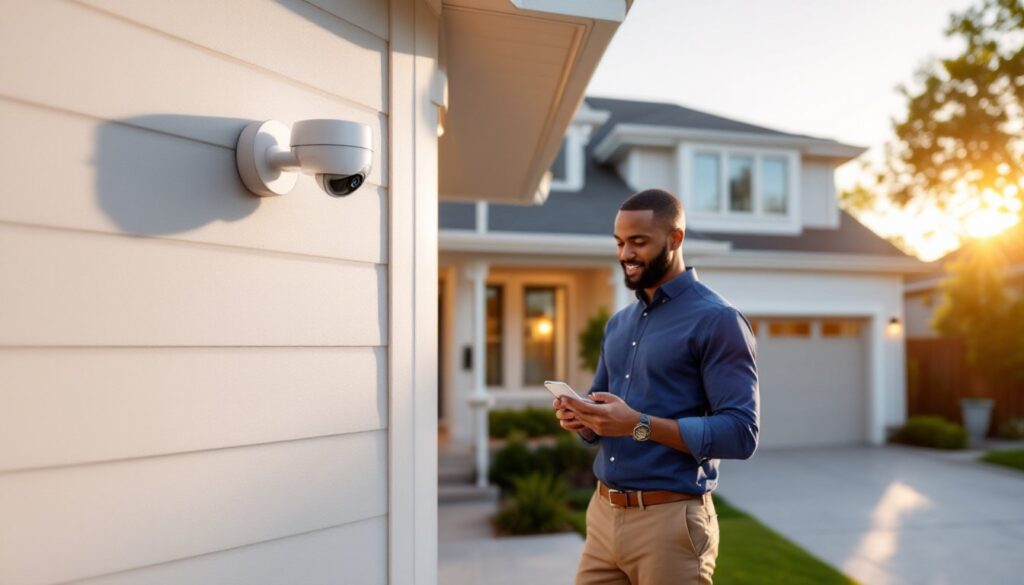
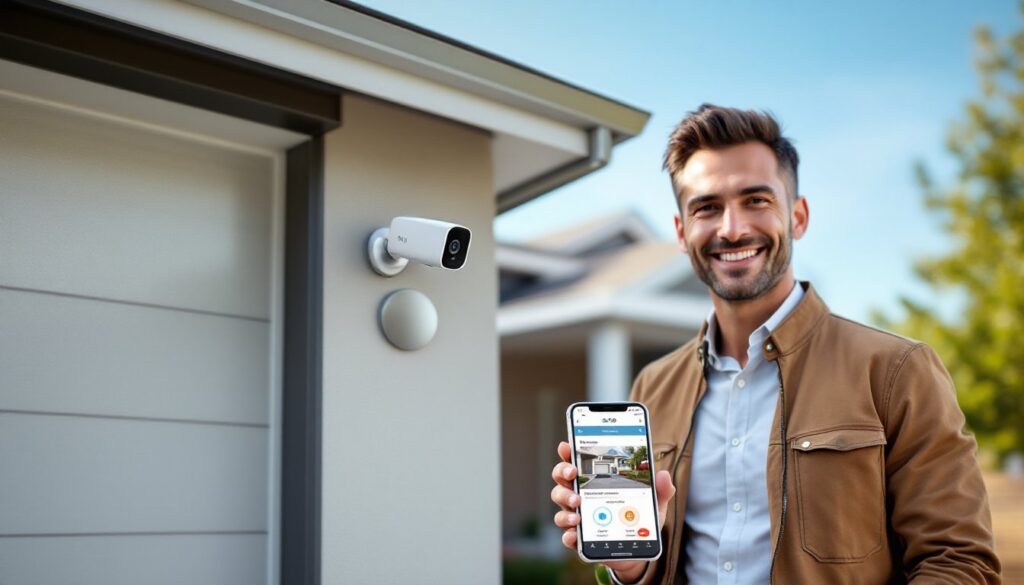
A house security camera system is one of the smartest investments a homeowner can make. Whether you’re protecting a small apartment or a sprawling property, today’s home security cameras do far more than record grainy footage, they deter burglars, monitor package deliveries, keep tabs on kids and pets, and send alerts straight to your phone. The market has exploded with options: wireless security cameras that install in minutes, wired systems built for 24/7 reliability, and smart setups that integrate with existing home automation. This guide walks you through what matters, what doesn’t, and how to choose a house security camera system that actually fits your life, not the other way around.
Table of Contents
ToggleKey Takeaways
- A house security camera system deters burglars, provides evidence for insurance claims, and offers peace of mind by giving you 24/7 visibility of your property.
- Wireless security cameras are ideal for DIY installation and renters, while wired systems deliver superior reliability with no batteries or Wi-Fi dependency, though they require more complex setup.
- Prioritize essential features like 1080p minimum resolution, night vision with 20-50 foot range, motion detection, two-way audio, and weatherproof ratings (IP67/IP68) when selecting a house security camera system.
- DIY installation saves hundreds in labor costs—map camera locations at entry points and blind spots, aim cameras downward to capture faces, and ensure all connections are weathertight.
- Monthly maintenance including lens cleaning, battery checks, motion zone adjustments, and firmware updates is critical to prevent system failures and ensure your house security camera system performs reliably long-term.
Why Invest In A Home Security Camera System
A home security camera system isn’t luxury, it’s practical protection. Homes with visible security cameras are far less likely to be targeted by burglars. Beyond deterrence, cameras provide evidence if theft does occur, document damage for insurance claims, and let you check on the house when you’re away. You can watch your front door during deliveries, verify who’s knocking before you open up, or simply glance at a live feed from work to make sure everything’s secure. Peace of mind has real value, and the upfront cost pays dividends over years of ownership. Most homeowners report they sleep better knowing they have eyes on their property 24/7. Unlike alarm systems that alert after a break-in, cameras prevent problems before they start, and they’re available for DIY installation at a fraction of professional monitoring costs.
Types of Security Cameras: Finding Your Perfect Fit
Wired vs. Wireless Systems
The choice between wired and wireless security cameras hinges on reliability, convenience, and your specific setup. Wireless security cameras are the DIY darling, they mount anywhere, require no running cable through walls or conduit, and connect via Wi-Fi or cellular backup. Installation takes hours, not days. They’re ideal for renters, temporary setups, or homes where running cable would mean hours of drywall patching. The trade-off: wireless systems depend on your home Wi-Fi strength and battery life, and monthly cloud storage often costs money. Wired home security systems still dominate professional installations because they’re rock-solid, no batteries to charge, no Wi-Fi dropouts, no monthly storage fees if you use local recording. They do demand serious planning: running cables through walls, attics, or conduit: drilling holes: and potentially patching drywall when it’s done.
Each camera type serves a purpose. Dome cameras mount flush to ceilings and blend into decor. Bullet cameras protrude slightly and work great for outdoor overhangs. Turret cameras sit flat-bottom on surfaces and pan 360 degrees. PTZ (pan-tilt-zoom) models let you control the view remotely, though they cost more. For most homeowners, a mix works best: a wireless security camera covering the front door, wired cameras at blind spots, and a motion-triggered unit watching the backyard.
Essential Features to Look For
Not all security cameras are created equal. Start with resolution: 1080p is baseline, but 2K and 4K footage is sharper, especially when you’re zooming in on details. Night vision (infrared or low-light) is non-negotiable if you want to see what happens after dark, check the range, usually 20 to 50 feet. Motion detection alerts you immediately when something moves, reducing false alarms if you tune sensitivity properly. Two-way audio lets you speak through the camera (handy for telling delivery drivers where to leave packages). Look for cloud backup or, better yet, local storage options via SD card or NVR (network video recorder) so you’re not paying monthly fees forever. Weather resistance matters: IP67 or IP68 ratings mean the camera won’t fail during heavy rain, snow, or temperature swings. Many newer systems support smart integrations with Alexa or Google Home, letting you control settings from your voice assistant. Field of view ranges from 100 to 180+ degrees, wider is better for entry points, narrower angles work for distant coverage. Finally, check what happens when the internet goes down: some cameras function locally: others become paperweights.
Installation Tips for DIY Setup
Installing a house security camera system yourself saves hundreds in labor. Before you buy, map out camera locations: entry points (front door, garage), blind spots vulnerable to approach, and outdoor corners. Mark studs, siding, and electrical locations so you don’t drill into wiring. For wireless cameras, this step is straightforward, drill a small hole, insert an anchor (if mounting on brick or stucco), screw the bracket, and attach the camera. Power via battery, solar panel, or a plug-in adapter nearby. Aim the camera slightly downward to capture faces at eye level, not top-of-head. For wired setups, run cable through conduit for protection and future ease. Measure twice, drill once, holes are hard to undo. All connections should be weathertight: use silicone sealant around cable entry points and ensure plugs have strain relief. Installation of a security camera system demands patience during the configuration phase, downloading apps, connecting to Wi-Fi, setting up motion zones, and testing night vision. Label your camera feeds so you remember which is which. Test the system during daylight and darkness before declaring it done. Most failures come from weak Wi-Fi signal at the camera location, move your router, add a mesh node, or switch to a wired backbone if possible.
Maintaining Your Security System for Optimal Performance
A house security camera system only protects you if it actually works. Perform monthly checks: clean camera lenses with a soft cloth (dirt and spider webs degrade image quality dramatically), test motion alerts by walking in front of the camera, and verify that footage is saving to your chosen storage method. For wireless cameras, swap batteries seasonally if used outdoors, cold weather drains them fast. Check app notifications are enabled so you actually receive alerts. Every six months, review your motion detection zones: leaves blowing might trigger unnecessary alerts, or sensitivity may have drifted. Inspect cables on wired systems for rodent damage or weathering, a pinched cable can fail silently. Update camera firmware when prompted: patches often improve reliability and security. Motion sensor cameras benefit from regular calibration to prevent false alarms that desensitize you to actual threats. Back up important footage to cloud storage or a separate drive monthly. If you’re using local security camera recorder systems, check the hard drive health and clear old footage according to your retention plan. Most neglected systems fail not from hardware defects but from skipped maintenance, treat it like the vehicle or HVAC system it is, not a set-and-forget gadget.
Conclusion
Choosing the right house security camera system comes down to matching your specific needs, whether that’s a simple wireless security camera for renters or a comprehensive wired network for permanent protection. Quality cameras, proper placement, and consistent maintenance transform a home security camera system from a nice-to-have into a reliable, evidence-gathering asset. Start with your entry points, add coverage to blind spots, and expand over time as budget allows. The investment pays dividends in deterrence, documentation, and genuine peace of mind, you’ll know what’s happening around your home, day or night.