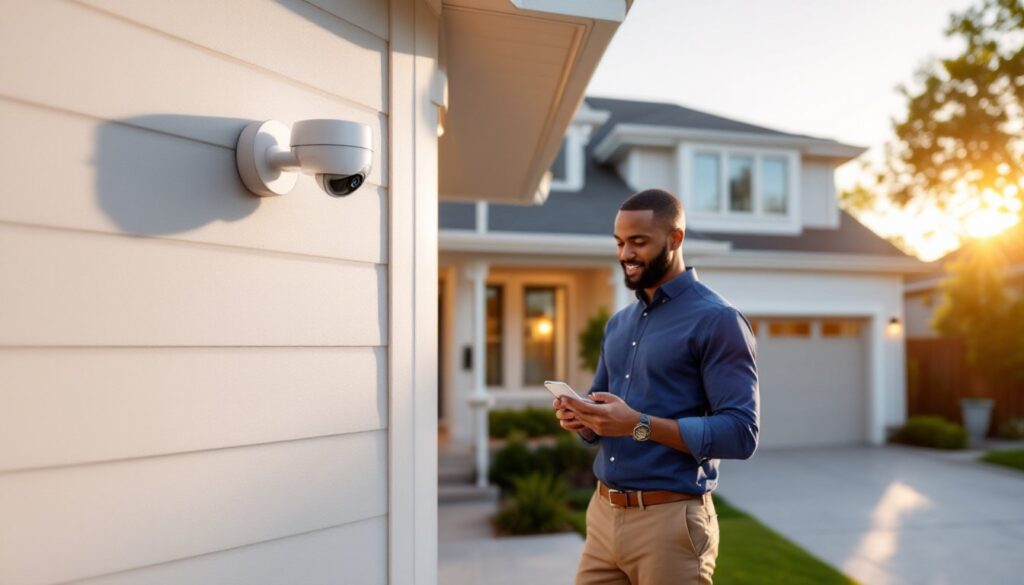
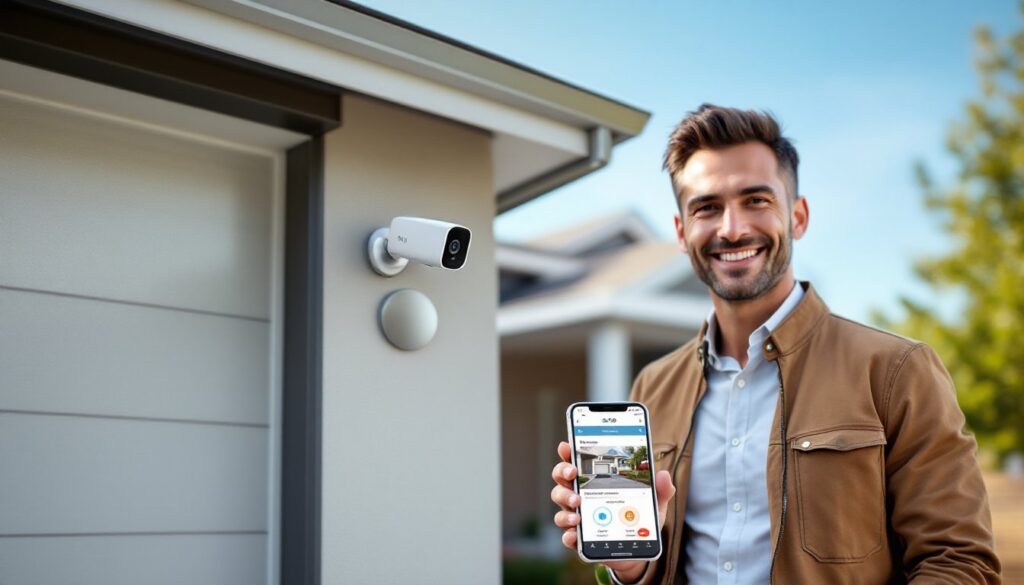
If you’re a homeowner tired of paying hefty monthly fees for basic security monitoring, a Wyze camera system might be exactly what you’re looking for. Wyze has built a reputation as the no-nonsense option in the crowded home security camera market, delivering solid performance without the price tag of premium competitors. Whether you’re protecting a single entry point or monitoring multiple rooms, Wyze offers flexibility that fits both your budget and your home’s layout. This guide walks you through what makes Wyze cameras a practical choice for DIYers, the models worth considering, and how to get them up and running in your home in 2026.
Table of Contents
ToggleKey Takeaways
- Wyze cameras deliver professional-grade home security without expensive monthly subscriptions or complex installation, making them ideal for DIY homeowners looking to save money.
- The Wyze Cam v4 offers 2.5K QHD video with AI-powered motion tracking and night vision, while the Wyze Cam v3 and Pan models provide budget-friendly alternatives for different monitoring needs.
- Local microSD card storage keeps your footage private and under your control, with optional cloud backup ($2–4/month) for extra protection rather than mandatory fees.
- Setup takes minutes—just mount the camera, download the app, scan the QR code, and connect to your 2.4 GHz Wi-Fi network without requiring a hub or professional installation.
- Wyze cameras integrate seamlessly with Alexa, Google Home, and IFTTT automation, letting you view feeds on smart displays and create custom rules that work with other smart home devices.
- Smart features like AI motion detection, two-way audio, scheduled recording, and customizable sensitivity zones provide reliable security that adapts to your home’s layout and daily routine.
What Makes Wyze Cameras a Smart Choice for Home Monitoring
Wyze cameras stand out for three reasons: affordability, local storage options, and straightforward setup. Unlike many competitors, Wyze doesn’t lock you into expensive cloud subscriptions just to view your footage. You can save video to a local microSD card (sold separately) or use Wyze’s optional cloud service, the choice is yours.
The company’s approach appeals to DIY homeowners because there’s no installation complexity. No wiring to your home’s electrical panel, no permits needed, and no contractor calls required. A wireless security camera from Wyze plugs into any standard outlet or pairs with a battery module, and you’re monitoring within minutes. For renters or those hesitant about permanent modifications, this flexibility is a game-changer.
Another practical advantage: Wyze cameras work independently. You don’t need a hub to run basic functions, unlike some systems that require expensive control panels. The app controls everything, from live view to motion alerts, and it syncs across multiple devices in your household. If you’re already managing smart home gear, Wyze integrates without demanding a complete ecosystem overhaul.
Key Wyze Camera Models and Their Standout Features
Wyze’s lineup includes several models, each suited to different monitoring needs. The Wyze Cam v4 is the current flagship and represents a significant jump from earlier versions. It offers 2.5K QHD video with a 120-degree field of view, improved low-light performance, and AI-powered motion tracking that follows movement across your frame. The v4 also includes a built-in spotlight for night deterrence, helpful if you’re monitoring a vulnerable entry like a back door.
For budget-conscious buyers, the Wyze Cam v3 remains available and delivers solid 1080p HD footage at a lower price point. If you need wider coverage, the Wyze Cam Pan and Wyze Cam Pan v2 rotate 360 degrees horizontally and 93 degrees vertically, letting you sweep an entire room or patio from a single camera. Mounting one Pan camera often eliminates the need for two or three fixed units.
Outdoor monitoring gets its own tier. The Wyze Cam Outdoor is weatherproof (IP64 rated) and battery-powered, ideal for entry monitoring without running cables. Reviews from tech outlets like Tom’s Guide highlight the v4’s performance improvements over earlier versions, particularly in motion detection accuracy and night vision clarity. For a practical overview of which Wyze model fits your space, Good Housekeeping’s roundup of Wyze cameras breaks down each unit’s strengths. Consider your monitoring priorities, single-angle entry point, room surveillance, or perimeter coverage, before choosing.
Installation and Setup: Getting Your Wyze System Running
Installing a Wyze system is straightforward, but skipping prep work is the most common mistake DIYers make. Here’s the process:
Prep and Placement:
- Choose your camera location, entry doors, garages, driveways, or interior rooms. For outdoor cameras, pick a spot with stable power (or battery swap access) and clear sightlines.
- Mount the camera using the included bracket. Use a drill with a concrete or drywall bit depending on your surface. If mounting outdoors on masonry or stucco, use corrosion-resistant fasteners (stainless steel screws and anchors) to prevent rust.
- Position the camera at a 45-degree angle for best facial recognition and motion detection. Avoid pointing directly at bright sunlight or reflective surfaces, which degrade image quality.
App Setup:
- Download the Wyze app, create an account, and log in.
- Press and hold the camera’s setup button until it enters pairing mode (usually a blinking light).
- Scan the QR code on the camera or in the manual using the app.
- Connect to your home Wi-Fi. Wyze cameras work on 2.4 GHz networks: if you’re on 5 GHz only, check your router settings to enable dual-band mode.
- Name your camera and choose notification preferences.
Adding Storage:
If using local storage (highly recommended for privacy), insert a microSD card (64GB or higher recommended) into the slot on the camera’s base. Format it in the app first. This stores all video locally without relying on cloud services. For a detailed guide on wireless security camera setup, Digital Trends covers troubleshooting common connection issues. If your Wi-Fi drops frequently, consider repositioning your router or adding a mesh network extender, camera dropouts usually stem from weak signal, not the Wyze unit itself.
Essential Security Features and How They Protect Your Home
Modern Wyze cameras pack smarter detection than older home security camera models. AI motion detection filters out leaves, shadows, and passing cars, alerting you only to human or pet movement. You customize sensitivity zones within the app, useful if your camera overlooks a busy street or neighbors’ yards.
Night vision is built into every Wyze model. Infrared LEDs activate in low light, providing clear monochrome footage when outdoor lights are off. The Cam v4’s improved night mode captures more detail than earlier versions, important if you’re reviewing footage after an incident.
Two-way audio lets you communicate through the camera. If a package arrives or someone knocks, you can speak directly from your phone. This feature deters package theft and offers peace of mind when you’re away.
Scheduled recording saves on storage. Set cameras to record only during work hours or nighttime, reducing file sizes and extending microSD card life. Smart notifications let you specify which activity triggers alerts, motion only, sound, or both. Disable motion alerts during the day if you’re home, then re-enable them at night automatically.
Personal cloud playback is optional. Wyze’s paid plan ($2–4/month per camera) backs up clips to their servers, useful if someone damages the camera or you lose local footage. It’s insurance, not a requirement. Without it, footage stays on the microSD card indefinitely (until the card fills and oldest files overwrite). For comparing Wyze’s feature set against similar alternatives like an Arlo wireless camera, note that Arlo mandates cloud subscriptions and charges more upfront, though some users prefer Arlo’s app design.
Integrating Wyze into Your Smart Home Ecosystem
Wyze plays nice with other smart home platforms. If you use Amazon Alexa, you can view Wyze cameras on Echo Show devices and Alexa’s app. Google Home integration works similarly, ask Google to show your front door or office feed on a Nest Hub.
Wyze also supports IFTTT (If This Then That) automation. Create rules like “send me a photo if motion detected between 10 p.m. and 6 a.m.” or “turn on my porch lights when the camera detects motion.” This bridges Wyze to other smart lights, locks, and thermostats without needing advanced programming knowledge.
For homeowners mixing brands, maybe you have Philips Hue lights, a smart lock from Level Lock, and thermostats from multiple vendors, Wyze’s open integration approach saves money. You’re not forced to buy everything from one manufacturer. Start small with a single Wyze camera, then expand your smart home at your own pace. The system grows with your comfort level and budget, which is why Wyze appeals to practical DIYers who value flexibility over brand loyalty.
Conclusion
A Wyze camera system delivers professional-grade monitoring at a price that won’t trigger sticker shock. Whether you’re adding your first camera to a new home or upgrading an aging security setup, Wyze’s range of models, local storage options, and smart features make it a straightforward choice. Start with one unit, refine your setup, and add more cameras as needed. That’s the DIY homeowner’s approach, practical, affordable, and always under your control.